
Pruning
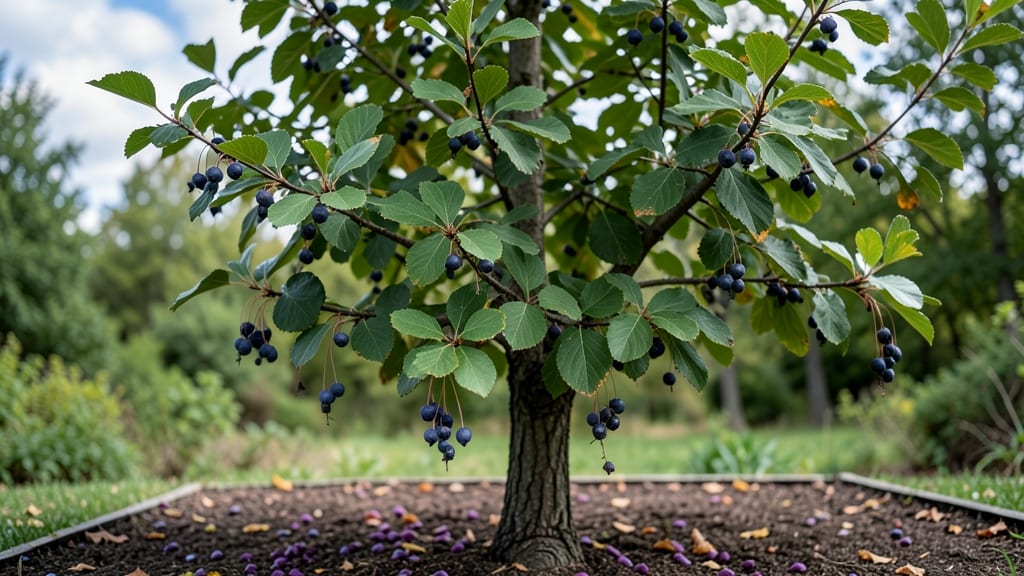
Serviceberry trees deliver sweet, juicy berries that taste like a cross between blueberries and cherries—with almost no pruning required. 🌿 I’ve grown them for years, and the secret to their effortless productivity lies in understanding their natural growth patterns and minimal maintenance needs.
These trees thrive in partial shade, making them perfect for understory plantings or woodland gardens. They’re drought-tolerant once established and handle poor soil better than most fruit trees. The berries ripen in late summer, but birds often beat you to them—so timing your harvest is key.
With just a little attention, you’ll enjoy harvests for decades with almost no pruning. The berries are perfect for jams, pies, or fresh snacking, and the tree’s spring blooms and fall color add year-round beauty to your landscape. For best results, plant in well-draining soil and avoid overwatering.
A single tree can produce pounds of berries with minimal effort—once you learn the rhythm of its growth cycle.
📚 In This Guide
- What you need
- Instructions
- Tips and common mistakes
- Wrapping up and next steps
What you need
- ● Serviceberry tree (variety of your choice) – Dwarf, standard, or columnar (ensure it’s suited to your USDA hardiness zone).
- ● Pruning shears or loppers – Bypass pruners (for clean cuts) or loppers (for thicker branches). Sharpness is key!
- ● Gloves – Heavy-duty work gloves (to protect from thorns and rough bark).
- ● Disinfectant (70% isopropyl alcohol or pruning sealant) – For sterilizing tools between cuts (prevents disease).
- ● Mulch (wood chips, shredded bark, or compost) – 3–4 inches around the base (retains moisture, suppresses weeds).
- ● Watering can or hose with adjustable nozzle – Deep watering 1–2 times per week (adjust for drought).
- ● Fertilizer (balanced 10-10-10 or organic option) – Apply once in early spring (follow package rates).
- ● Tree tie or pruning tape – For supporting young or damaged branches.
- ● Bird netting – If wildlife is raiding your berries before you can!
- ● Soil test kit – Ensures your tree gets the perfect pH (6.0–7.0) for berry production.
- ● Harvest basket or containers – For easy picking (berries ripen in clusters!).
- ● Pruning saw (for larger branches) – Only needed if your tree grows over 3 inches in diameter.
How to maximize serviceberry tree berries year-round
Here's the approach I've perfected to get the most from your serviceberry—minimal pruning, maximum fruit, and seasonal beauty.
🌱 Step 1: Plant in the Right Location for Optimal Growth
Serviceberries thrive in full sun to partial shade with well-draining soil. I always choose a spot where they'll get at least 6 hours of sunlight daily, though they tolerate light shade better than many fruit trees. The key is avoiding soggy soil—they hate wet feet and will decline quickly if planted in low spots where water pools.
Test your soil's drainage by digging a 12-inch deep hole and filling it with water. If it drains completely within 2 hours, you're good to go. Amend heavy clay with 2-3 inches of compost mixed into the top 12 inches of soil. This improves both drainage and nutrient availability, which directly impacts berry production.
☀️ Step 2: Water Deeply During Critical Growth Periods
Young serviceberries need 1-2 inches of water weekly during their first two years, but I always water deeply—6-8 inches into the soil—rather than frequent shallow watering. This encourages deep root growth, which means more stable trees and better fruit set later. Mature trees are drought-tolerant once established, but they produce the most berries when watered consistently during spring flowering and summer fruit development.
Check moisture by sticking your finger 2 inches into the soil. If it feels dry, water thoroughly. Overhead watering can spread fungal diseases, so I use a soaker hose or drip irrigation placed at the tree's dripline. This keeps the foliage dry while delivering moisture exactly where the roots need it.
✂️ Step 3: Prune Strategically for Year-Round Interest
The beauty of serviceberries is their multi-season appeal, and pruning is how you maintain it. In late winter or early spring, before buds swell, remove any dead, diseased, or crossing branches. I always make cuts just outside the branch collar—the swollen area where the branch meets the trunk—to prevent damage and encourage faster healing. This minimal pruning keeps the tree's natural shape while improving air circulation, which reduces disease risk.
For maximum berry production, I focus on opening up the center of the tree to let light penetrate. Thin out branches that rub against each other, as these wounds invite pests. Serviceberries are self-pollinating, so you don't need multiple trees, but if you have space, planting a few nearby will boost fruit set. Just remember—less pruning means more energy for berry production, so keep it light unless you're addressing specific issues.
🍓 Step 4: Harvest Berries at Peak Ripeness
Serviceberries ripen in late spring to early summer, depending on your climate, and they don't all ripen at once. I harvest when the fruit is fully colored and slightly soft to the touch—usually deep purple or black. They won't ripen further once picked, so timing is everything. I check the tree every 2-3 days once the first berries start changing color, and I harvest in batches to enjoy them over weeks rather than all at once.
Use a small pruning shears or your hands to pick the berries—gently twist them off the stems to avoid damaging the branches. Spread a tarp beneath the tree to catch fallen berries, as they bruise easily. Once harvested, serviceberries last about 5-7 days in the fridge, so I process them quickly into jams, pies, or dried fruit. Their flavor is at its peak when fresh, so don't wait too long to enjoy them.
⏰ Step 5: Maintain Year-Round for Continuous Benefits
Serviceberries offer more than just berries—they provide stunning spring blossoms, summer shade, and fall color. To keep your tree healthy and productive, apply a 2-3 inch layer of mulch around the base in early spring. This conserves moisture, regulates soil temperature, and suppresses weeds, which compete for nutrients. Just keep the mulch 3-4 inches away from the trunk to prevent rot.
Fertilize lightly in early spring with a balanced, slow-release fertilizer if your soil tests low in nutrients. Serviceberries aren't heavy feeders, but a little extra phosphorus and potassium can improve fruit production. Monitor for pests like borers or scale, but I've found that a healthy tree with good airflow rarely has issues. If you notice any problems, address them quickly—serviceberries are resilient, but they'll decline if neglected.
Tips & tricks for perfect serviceberry tree care
These game-changing insights will help you coax the absolute best from your serviceberry tree—minimal effort, maximum rewards.
Location is Everything: Step 1 emphasizes sun exposure, but here's the real secret: serviceberries thrive where they get morning sun and afternoon shade. This balance prevents leaf scorch while maintaining energy for fruit production. If you're planting in a hot climate, prioritize afternoon shade—it makes all the difference in berry quality and tree longevity.
Soil Test Before Planting: The 12-inch drainage test in Step 1 is non-negotiable, but I take it further by testing soil pH too. Serviceberries prefer slightly acidic soil (pH 5.5-6.5). If your test shows higher pH, mix in a bit of sulfur or peat moss when amending that 2-3 inches of compost. This small adjustment can double your berry yield in just one season.
Watering Strategy: That 6-8 inch deep watering in Step 2 isn't just about quantity—it's about timing. Water in the early morning so foliage has all day to dry, preventing fungal diseases. I've found that young trees actually benefit from a deep watering every 5-7 days rather than the weekly 1-2 inches, as long as you're consistently reaching those 6-8 inches. This mimics natural rainfall patterns better.
Pruning Precision: When you're making those cuts in Step 3, here's what nobody tells you: sterilize your pruning tools with rubbing alcohol between cuts. Serviceberries are susceptible to bacterial cankers, and contaminated tools can spread disease silently. Also, never prune when the tree is wet—wait for dry conditions to minimize infection risk. The branch collar technique you're using is perfect, but clean tools make it foolproof.
Pro Tips for Serviceberry Tree Berries
- These game-changing insights will help you coax the absolute best from your serviceberry tree—minimal effort, maximum rewards.
- Location is Everything: Step 1 emphasizes sun exposure, but here's the real secret: serviceberries thrive where they get morning sun and afternoon shade.
- Soil Test Before Planting: The 12-inch drainage test in Step 1 is non-negotiable, but I take it further by testing soil pH too.
Frequently asked questions
Got questions about harvesting and caring for serviceberry tree berries? You’re not alone! Here are some of the most common queries—and their answers—to help you make the most of your low-maintenance harvest.
When is the best time to pick serviceberry berries?
Serviceberries ripen in late summer to early fall (August–September), turning deep purple-black when fully ripe. Pro tip: Wait until they’re soft and slightly sweet—picking too early means tart, underripe fruit! Use your fingernail to gently press a berry; if it leaves a slight dent, it’s ready.
Can I eat serviceberries raw, or do I need to cook them?
Yes! While they’re delicious raw when fully ripe, many prefer them cooked into jams, pies, or syrups for a richer flavor. Fun fact: Native Americans dried them for winter use—just like raisins! If they taste mealy, they’re not fully ripe yet.
How do I know if my serviceberry tree is healthy enough to produce berries?
A healthy tree has vibrant green leaves, no excessive leaf drop, and a sturdy trunk. Prune dead branches in late winter to encourage new growth, but avoid heavy pruning—serviceberries thrive with minimal effort! If berries are sparse, check for pests (like borers) or poor soil drainage.
What can I do if birds eat all my serviceberries before I can harvest them?
Birds love serviceberries—so do you! Cover trees with lightweight netting () once berries start ripening, or pick them in stages. Bonus: If you miss some, let a few stay for wildlife! Alternatively, plant a second tree farther from bird hotspots.
Are there any alternatives to serviceberries for low-maintenance berries?
Try juneberries (similar taste, earlier harvest), aronia berries (super antioxidant-rich), or elderberries (great for syrups). All require minimal pruning and adapt well to various climates. Serviceberries just happen to be the easiest for beginners!
Wrapping up and next steps
Serviceberry trees are a low-maintenance gem for any homestead or garden, offering delicious, nutrient-packed berries with minimal pruning demands. Their resilience, adaptability, and year-round appeal make them a standout choice for both novice and experienced gardeners.
Whether you’re harvesting for jams, fresh snacks, or wildlife support, these berries deliver effortless rewards—just a little care goes a long way! 🌿
Ready to plant or prune your own? Start small—choose a sunny spot, grab your tools, and watch your serviceberry thrive with confidence. Happy growing! 🌱