
Pruning
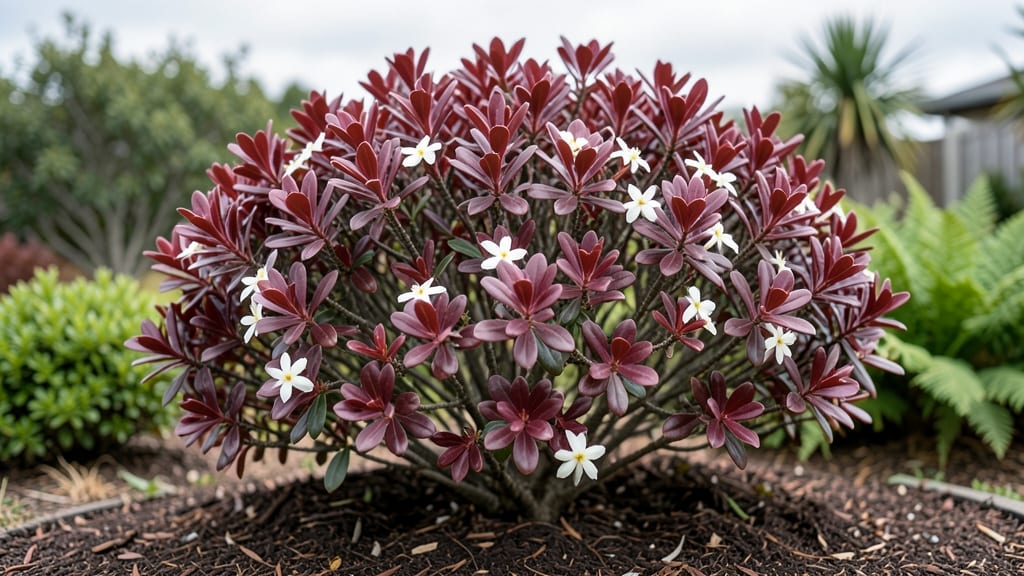
Pruning your New Zealand tea tree Ruby Glow unlocks its stunning crimson foliage all year. 🌿 I’ve watched this plant transform from a dull green bush to a fiery centerpiece after just one strategic trim—it’s the secret to keeping those vibrant leaves popping against any garden backdrop.
The key is timing and technique: prune right after flowering (late spring) to encourage fresh, colorful growth. This isn’t just about shaping—it’s about coaxing that deep ruby glow by removing old, faded stems. Even a small container plant will burst with color if you prune correctly.
You’ll end up with a compact, bushy plant that stays year-round vibrant, not just in summer. The flowers add a bonus burst of pink, making it a standout in any landscape. It’s the kind of plant that turns heads—and keeps them turning.
Works beautifully in USDA zones 8-10, whether as a standalone shrub or mixed into borders. Let’s get those shears ready!
📚 In This Guide
- What you need
- Instructions
- Tips and common mistakes
- Wrapping up and next steps
What you need
- ● Pruning shears: Sharp, bypass-style shears (4-6" blades) for clean cuts—sterilize with rubbing alcohol before use!
- ○ Loppers: Bypass-style (8-10" blades) for thicker branches (optional but handy for mature trees).
- ● Gloves: Heavy-duty gardening gloves (protect against sap and thorns).
- ● Disinfectant spray: 70% isopropyl alcohol or copper-based fungicide (prevents disease spread).
- ● Pruning saw: Curved-tooth saw for stubborn branches (if your tree is over 3 years old).
- ○ Marking twine or flags: For labeling branches to prune (optional but helpful for complex cuts).
- ● Hand lens (10x magnification): To inspect leaf health and identify pests up close.
- ● Sealing wax: For larger cuts (e.g., tree wound pruning sealant to prevent sap oozing).
- ● Notebook & pen: Track pruning dates, branch sizes, and growth patterns.
- ● Mulch: Organic mulch (e.g., pine bark) to retain moisture post-pruning.
- ● Know your tree’s age: Young trees (light shaping; mature trees may require structural pruning.
- ● Check the season: Prune in late winter/early spring (before new growth) for best ruby foliage results.
- ● Weather window: Choose a dry, overcast day to avoid stressing the tree.
- ● Safety first: Ensure the area is clear of tripping hazards (e.g., rocks, tools).
Instructions for pruning new zealand tea tree 'Ruby Glow'
Here's how I keep my 'Ruby Glow' tea tree bursting with rich crimson foliage through every season.
✂️ Step 1: Time Your Pruning for Peak Growth
Prune in early spring just as new growth begins—this is when the plant's energy shifts from dormancy to vigorous foliage production. Avoid pruning in late summer or fall, as new growth won't harden off before winter. I always check for bud swell along the stems; that's your signal the plant is ready.
For established plants, aim for two light pruning sessions—once in early spring and again in early summer. Each session should remove no more than 25% of the plant's total growth to avoid stress. Use clean, sharp pruners to make cuts at a 45-degree angle just above a leaf node or bud. This encourages bushier, more vibrant growth.
✂️ Step 2: Shape for Airflow and Light Penetration
The key to maintaining that deep ruby color is ensuring all foliage gets at least 4-6 hours of morning sun daily. Start by removing any dead, diseased, or crossing branches—these block light and airflow, leading to duller foliage. I always work from the inside out, thinning out dense growth to open up the center of the plant.
Focus on selective pruning rather than shearing. Shearing can blunt the vibrant color by encouraging fine, soft new growth that fades quickly. Instead, target overly leggy stems or branches growing toward the center. Cut back to a strong lateral branch or bud, and watch how the plant fills in with richer, more compact foliage.
🌿 Step 3: Encourage New Growth with Strategic Cuts
To maintain that year-round crimson hue, I make light heading cuts on the tips of vigorous stems. This prompts the plant to produce multiple side shoots, each with fresh, vibrant foliage. Look for stems with 3-4 sets of leaves—cut just above the fourth set to encourage branching.
For older stems that have lost their color intensity, I rejuvenate them by cutting back to half their length in early spring. This may seem drastic, but it stimulates new growth from the base, which typically emerges in a deeper, more saturated ruby tone. Just be patient—it can take 4-6 weeks for the new foliage to fully develop.
⏰ Step 4: Post-Pruning Care for Vibrant Recovery
After pruning, water deeply to help the plant recover and encourage root growth. The soil should be moist but not soggy—tea trees hate sitting in waterlogged conditions. I apply a balanced, slow-release fertilizer (10-10-10) around the base to support the new growth. Avoid heavy nitrogen fertilizers, which can dilute the foliage color.
Keep the pruned plant in bright, indirect light for the first 10-14 days post-pruning. This helps it adjust without stress. You'll notice new buds forming within 2-3 weeks, and the foliage will gradually deepen in color. If you see any yellowing leaves, it’s a sign of over-pruning or stress—adjust your approach next time.
☀️ Step 5: Maintain Year-Round Color with Seasonal Adjustments
In summer, focus on light maintenance pruning to remove any spent or discolored leaves. This keeps the plant looking its best and prevents the color from fading. In winter, avoid heavy pruning unless necessary—tea trees are semi-evergreen, and cutting back too much can expose the plant to cold damage.
I also mulch lightly around the base with 2-3 inches of organic mulch to retain moisture and regulate soil temperature. This helps the plant maintain its vibrant color even in hot summers or cold winters. A little extra care here makes all the difference in keeping that stunning ruby glow consistent.
Tips & tricks for pruning new zealand tea tree 'Ruby Glow'
Here's what I've learned after years of perfecting the art of keeping my 'Ruby Glow' tea tree's foliage vibrant year-round.
Timing Secret: The two pruning sessions in early spring and early summer are non-negotiable for maintaining that deep crimson hue. I've found that pruning too late in summer can stimulate tender new growth that won't harden off before winter, leaving your plant vulnerable to cold damage. Watch for those buds to swell—it's your plant's way of saying, "I'm ready!"
Light Penetration Strategy: That 4-6 hours of morning sun is critical for maintaining vibrant color. I always start pruning from the inside out to ensure all foliage gets its fair share of light. Use a small mirror to check hard-to-see spots—you'd be surprised how often branches block more light than you realize. This simple trick has helped me maintain consistent color even in dense foliage.
Strategic Cutting Technique: When making those light heading cuts on stems with 3-4 sets of leaves, I always cut just above the fourth set. This encourages branching at exactly the right spot for dense, vibrant growth. For older stems, cutting back to half their length in early spring stimulates new growth from the base that's always more saturated in color.
Recovery Care: After pruning, I've learned that deep watering combined with bright indirect light for 10-14 days is crucial. The plant needs this recovery period to establish new roots and foliage. I've seen yellowing leaves disappear within weeks when I follow this routine—it's the difference between a stressed plant and one that thrives.
Pro Tips for New Zealand Tea Tree Ruby Glow
- Here's what I've learned after years of perfecting the art of keeping my 'Ruby Glow' tea tree's foliage vibrant year-round.
- Timing Secret: The two pruning sessions in early spring and early summer are non-negotiable for maintaining that deep crimson hue.
- Light Penetration Strategy: That 4-6 hours of morning sun is critical for maintaining vibrant color.
Frequently asked questions
How often should I prune my Ruby Glow Tea Tree for best results?
Prune your Ruby Glow 2-3 times a year: once in early spring (to shape and encourage new growth), again after flowering (late summer), and lightly in fall if needed. Avoid heavy pruning in winter—this shrub thrives on regular, gentle maintenance rather than drastic cuts.
When is the best time to prune for vibrant foliage?
The ideal window is late winter to early spring (just before new growth sprouts). This timing ensures you’re removing old, less vibrant wood while stimulating fresh, crimson-pink leaves. Avoid pruning in peak summer heat, as stress can dull the color. Pro tip: Morning pruning minimizes shock!
What if my Ruby Glow’s leaves aren’t as red as they should be?
Dull or greenish foliage often signals too much shade or over-fertilizing. Move your plant to full sun (6+ hours/day) and use a low-phosphorus fertilizer (high nitrogen can wash out the color). Stress from drought or root boundness can also mute the hue—check soil moisture and repot if needed.
Can I propagate Ruby Glow cuttings from my pruned branches?
Ruby Glow propagates easily from softwood cuttings (4–6 inches long). Dip the cut end in rooting hormone, plant in perlite/sand mix, and keep humid (use a plastic bag). Roots form in 4–6 weeks if kept in bright, indirect light. Perfect for expanding your collection!
Why are my pruned branches dying back or turning brown?
Brown, crispy branches usually mean over-pruning, drought, or fungal stress. If cuts are too severe, the plant may struggle to recover. Water deeply after pruning and avoid wetting leaves (to prevent mildew). If branches are soft and mushy, it could be root rot—check drainage and trim affected areas immediately.
Does pruning affect the Tea Tree’s flowers or berries?
Pruning encourages more flowers by promoting airflow and sunlight to the center. Just avoid cutting back current-season blooms—remove spent flowers after they fade to redirect energy to foliage. Ruby Glow produces small white/pink flowers, but berries are rare (this variety focuses on foliage drama!).
Wrapping up and next steps
Pruning your New Zealand Tea Tree (Leptospermum scoparium 'Ruby Glow') for that stunning ruby-red foliage is a rewarding task—one that pays off with year-round color and lush growth. 🌿 By mastering the right timing, tools, and techniques, you’re not just shaping a plant; you’re cultivating a living masterpiece.
The key? Patience, precision, and a little love.
Ready to take the next step? Start small: pick one branch this weekend and practice your cuts. Before you know it, your Ruby Glow will be the jewel of your garden—vibrant, healthy, and thriving. Happy pruning! ✂️✨