
Pruning
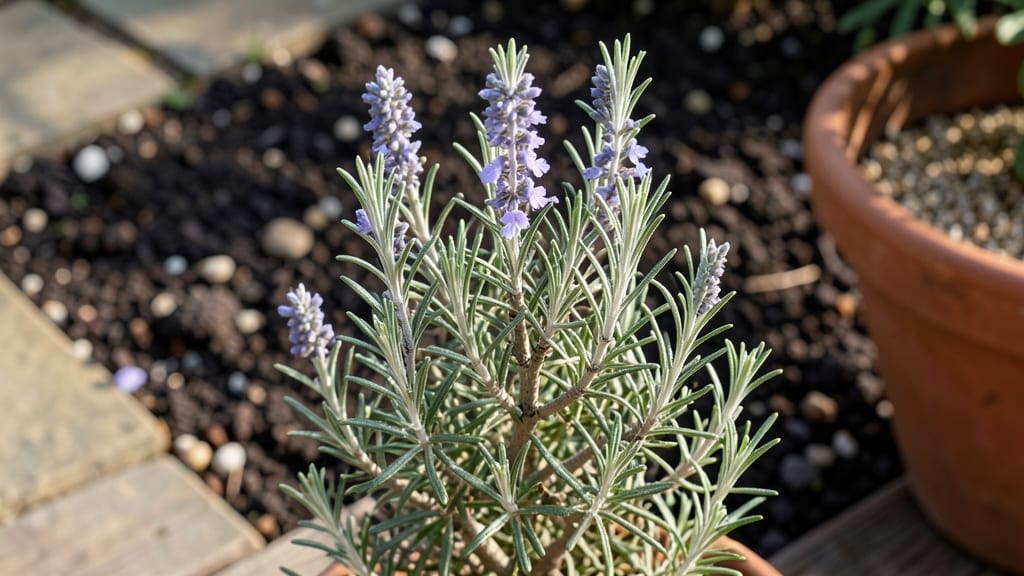
Creating a rosemary cone tree care transforms your herb garden into a fragrant, sculptural centerpiece. ✂️ The secret lies in strategic pruning that encourages dense growth while maintaining that iconic tree shape—something I perfected after my first attempt looked more like a bush than a bonsai.
Start with a single upright stem and prune side branches to create tiers, leaving only the strongest shoots. Most gardeners over-prune, but rosemary thrives on restraint—just a few cuts per season keeps it lush without stressing the plant.
I’ve found that spring and fall are the sweet spots for shaping, with minimal touch-ups in summer.
By winter, your cone tree will boast velvety green foliage and that signature piney aroma, all while staying compact enough for patios or windowsills. The key is patience: true beauty comes after the second year of careful pruning.
This method works for both Upright and Prostratus varieties, though dwarf types may need smaller tools. Let’s shape that perfect rosemary tree together!
📚 In This Guide
- What you need
- Instructions
- Tips and common mistakes
- Wrapping up and next steps
What you need
- ● Pruning shears – Sharp, bypass-style shears (avoid anvil-type to prevent crushing stems). Size: 5-7 inches for precision.
- ● Hand pruners – For smaller branches (if your shears can’t reach tight spots). Size: 5-6 inches.
- ● Gloves – Heavy-duty, gardening gloves (rosemary can be prickly!). Material: Leather or reinforced fabric.
- ● Disinfectant – 70% isopropyl alcohol or rubbing alcohol (to sterilize tools between cuts and prevent disease).
- ● Rake or broom – For clearing fallen debris after pruning.
- ● Watering can or hose – With a gentle spray nozzle (rosemary hates soggy roots!).
- ● Mulch – Organic mulch (e.g., straw, pine needles, or wood chips) to retain moisture and suppress weeds. Thickness: 2-3 inches.
- ● Loppers – For thicker stems (if your rosemary grows unusually large).
- ● Hedge shears – If you prefer a neat, formal shape (great for topiary styles!).
- ● Plant food – Balanced, water-soluble fertilizer (e.g., 10-10-10) to give your rosemary a post-pruning boost.
- ○ Pruning sealant – Optional for large cuts (e.g., pruning wax), but rosemary typically heals well without it.
- ● Notebook & pen – To jot down pruning notes (e.g., "pruned in March—next time in October!" 📅).
Step-by-Step guide to pruning your rosemary cone tree
Here's how I keep my rosemary cone tree lush and full—no matter the season.
✂️ Step 1: Understand the Right Time to Prune
Prune your rosemary cone tree twice yearly: late winter/early spring (just as new growth begins) and mid-summer (after flowering). Spring pruning shapes the tree, while summer pruning encourages bushier growth. Avoid pruning in fall—rosemary needs time to harden off before winter.
Look for woody stems—these are your guide. If a branch has turned brown or brittle, it’s dead and needs removal. Healthy branches should be green with a slight woody core. I always prune just above a leaf node (the point where leaves attach) to encourage new growth from that spot.
✂️ Step 2: Shape the Tree with Strategic Cuts
Start by removing dead or crossing branches first—they compete for nutrients and weaken the tree. Use clean, sharp pruners (sterilized with rubbing alcohol) to make 45-degree cuts just above a leaf node. This angle helps water run off and prevents rot.
For a fuller shape, trim the outer branches by one-third to encourage inward growth. Avoid cutting into old wood—rosemary struggles to regrow from mature stems. If you see leggy growth (long, sparse branches), cut back to a lower node to force bushier regrowth.
✂️ Step 3: Encourage New Growth with Summer Pruning
After flowering (usually late summer), prune again to maintain shape and stimulate new foliage. Focus on light trimming—no more than 20% of the tree’s total volume at once. Over-pruning stresses rosemary, especially in hot climates.
Watch for soft, green shoots—these are your signal that pruning worked. If you see yellowing leaves after pruning, it’s a sign of overwatering (rosemary hates wet roots). Adjust your watering to deep but infrequent soaks once the soil is bone-dry to the touch.
⏰ Step 4: Maintain Year-Round with Light Trimming
Between major prunings, do light maintenance: pinch back new growth tips to keep the tree compact. This is especially useful for container-grown rosemary—it prevents the tree from becoming top-heavy and falling over.
I also check for pests (like spider mites) during these trims. If you spot webbing or tiny bugs, wipe leaves with neem oil or rinse with water. Healthy rosemary should have silver-green needles and a piney aroma—if it smells dull, it’s time for a deeper prune.
☀️ Step 5: Adjust Care After Pruning
After heavy pruning, reduce watering for 1-2 weeks to let the tree recover. Rosemary stores water in its woody stems, so it’s drought-tolerant once established. Place the tree in full sun (at least 6-8 hours daily) to speed up regrowth.
If your rosemary is in a container, fertilize lightly with a balanced, water-soluble fertilizer (10-10-10) 4-6 weeks after pruning. Over-fertilizing leads to soft, weak growth—rosemary prefers lean conditions. Watch for new shoots at the base—this means your pruning is working!
Tips & tricks for pruning your rosemary cone tree
These are the secrets I’ve learned over years of keeping my rosemary cone tree thriving—no more guesswork, just confident pruning.
Timing is Everything: The twice-yearly schedule in Step 1 is non-negotiable, but here’s the real key: align your spring pruning with the first warm days when soil temperatures rise above 50°F. Cold soil slows regrowth, so wait until you see those first tender shoots pushing through. In summer, prune right after flowering—delaying even a week can mean missing the window for bushy regrowth. I mark my calendar for these dates to stay on track.
Tool Prep Makes All the Difference: Before you start cutting in Step 2, sterilize your pruners with rubbing alcohol to prevent spreading disease between branches. I also sharpen my blades monthly—dull tools crush stems instead of making clean cuts. For thicker branches, use bypass pruners to avoid tearing the bark. And here’s a pro move: wrap your pruners in a clean cloth after each cut to catch sap and keep your workspace tidy.
Visual Cues Over Rulers: When shaping in Step 2, resist the urge to measure every cut. Instead, train your eye to recognize the "one-third" rule by comparing the branch to your hand—about the width of your thumb from the tip. For leggy growth, look for the lowest leaf node where you can make a clean cut without leaving a stub. I always step back to check the overall shape after each cut to avoid over-trimming one side.
Recovery Care is Where the Magic Happens: That 1-2 week watering break in Step 5 is critical, but here’s what I do differently: I mulch heavily around the base with coarse sand or gravel to prevent soil compaction. This mimics rosemary’s natural Mediterranean habitat and helps roots recover faster. And if your tree is in a pot, give it a gentle shake to loosen roots—this encourages them to spread outward for stability.
Pro Tips for Rosemary Cone Tree Care
- These are the secrets I’ve learned over years of keeping my rosemary cone tree thriving—no more guesswork, just confident pruning.
- Timing is Everything: The twice-yearly schedule in Step 1 is non-negotiable, but here’s the real key: align your spring pruning with the first warm days when soil temperatures rise above 50°F.
- Tool Prep Makes All the Difference: Before you start cutting in Step 2, sterilize your pruners with rubbing alcohol to prevent spreading disease between branches.
Frequently asked questions
Got questions about keeping your Rosmarinus officinalis (rosemary) "cone tree" thriving? Here are answers to the most common concerns—from pruning tips to troubleshooting—so you can enjoy that lush, bushy shape year-round!
How often should I prune my rosemary cone tree?
Prune your rosemary cone tree 2-3 times a year for best results: spring (to shape after winter), mid-summer (to encourage new growth), and lightly in fall (to tidy up). Avoid heavy pruning in late fall/winter—it stresses the plant. See our step-by-step guide for timing specifics!
Can I prune rosemary too much?
Yes! Over-pruning—especially cutting into old wood (woody stems) or removing more than 1/3 of the plant at once—can stunt growth or kill your rosemary. Stick to 10-20% of the plant per session and always leave healthy green stems. Pro tip: If you accidentally prune too hard, don’t panic—rosemary is resilient! Just reduce watering and give it time to recover.
What if my rosemary cone tree isn’t growing after pruning?
If your rosemary seems stubborn post-prune, check these fixes:
- Light: Ensure it gets 6+ hours of sun daily—rosemary hates shade!
- Water: Overwatering is the #1 killer. Let soil dry completely between waterings.
- Soil: Amend heavy or clay soil with sandy, well-draining mix or gravel.
- Fertilizer: A light feeding with low-nitrogen fertilizer (like 5-10-10) in spring can help.
How do I prune rosemary in winter?
Winter pruning should be minimal—just remove dead or damaged branches and lightly shape. Avoid heavy cuts, as rosemary is semi-dormant and pruning stimulates new growth (which can frost in cold climates). If you live in Zone 8 or colder, wait until late winter/early spring to prune. Pro tip: Use sterilized shears to prevent disease spread!
Are there alternatives to rosemary for a cone-shaped hedge?
If rosemary isn’t your vibe, try these drought-tolerant, cone-prunable plants:
Plant
Care Notes
Lavender (Lavandula)
Loves full sun and well-draining soil. Prune after flowering to maintain shape.
Russian Sage (Perovskia atriplicifolia)
Tough and deer-resistant. Shear lightly in early spring to encourage bushiness.
Boxwood (Buxus)
Needs regular trimming (every 4-6 weeks) but stays evergreen. Prefers partial shade.
For a herbaceous cone shape, thyme or oregano (pruned aggressively) can work too!
Wrapping up and next steps
Caring for your rosemary cone tree is all about patience and precision—just like shaping a masterpiece! 🌿 With the right tools, timing, and techniques, you’ll enjoy a lush, fragrant plant year-round. Remember: prune regularly, avoid over-trimming, and prioritize airflow and sunlight.
Now that you’re armed with expert tips, why not take the next step? Grab your pruners and give your rosemary a little love—your garden (and your senses) will thank you! 🌟