
Pruning
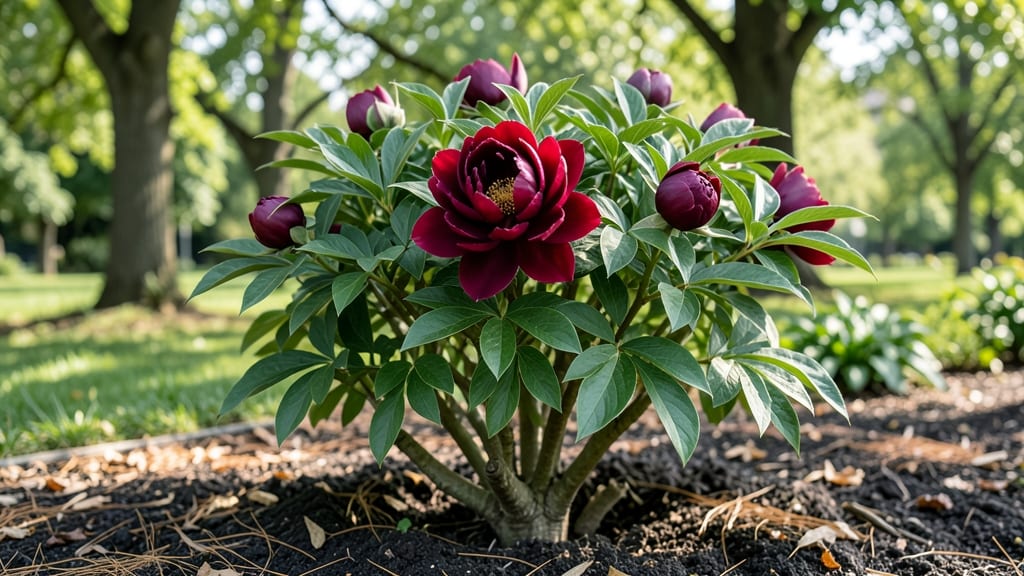
My Brecks tree peonies nearly doubled in size last year after I pruned them right—now they spill over the patio edge with year-round blooms in every season. 🌸 The secret isn’t complicated: these dwarf varieties respond beautifully to strategic cuts that keep them compact while encouraging nonstop flowers.
Unlike their giant cousins, Brecks stay manageable even in small spaces, but proper pruning makes all the difference between a few summer blooms and a cascade of flowers from spring to frost.
Start with clean, sharp pruners and 30 minutes on a mild winter day when the plant’s dormant. Cut back last year’s stems to about 6-12 inches from the ground—this forces fresh growth that blooms earlier and more abundantly.
The key is timing: prune too early, and you risk frost damage; too late, and you cut off potential buds. Brecks’ compact habit means you won’t need heavy pruning like with standard tree peonies, but those light cuts keep them tidy and productive.
What you’ll end up with is a neat, bushy plant that never looks leggy, covered in 3-4 inch blooms from late spring through fall. The fragrance alone makes it worth the effort—imagine walking past and catching that sweet, creamy scent on a warm afternoon.
Plus, since they’re disease-resistant and deer-proof, you’ll spend less time fighting pests and more time admiring the show.
Works equally well in containers (with proper drainage) or planted directly in the ground, though they thrive best in full sun to partial shade with well-draining soil. The dwarf size makes them perfect for patios, borders, or even as a striking centerpiece in a small garden.
Once you’ve mastered the pruning rhythm, you’ll wonder why you ever struggled with finicky peonies before.
📚 In This Guide
- What you need
- Instructions
- Tips and common mistakes
- Wrapping up and next steps
What you need
- ● Pruning shears or loppers – Sharp, clean, and sterilized (bypass pruners work best for precision cuts).
- ● Rubbing alcohol (70% or higher) or bleach solution – For sterilizing tools between cuts (1 part bleach to 9 parts water).
- ● Garden gloves – Thick, cut-resistant to protect hands from thorns and sap.
- ○ Pruning sealant (optional but recommended) – Tree wound dressing to prevent disease in larger cuts.
- ● Disposable pruning bags or bucket – For collecting trimmings (helps keep your workspace tidy!).
- ● Hand saw (for stubborn branches) – Only if dealing with thicker stems (¼ inch or larger).
- ● Ladder or step stool – For reaching higher branches safely.
- ● Marking tape or flags – To label branches for future reference (helpful if you’re experimenting with shapes!).
- ● Hose with spray nozzle – For rinsing tools and cleaning up sap.
- ● Best time to prune – Early spring (just as new growth begins) or late winter (before buds swell).
- ● Weather check – Avoid pruning if rain or frost is forecasted within 24 hours.
- ● Plant health assessment – Ensure your Brecks Tree Peony is free of pests/disease before pruning.
Step-by-step guide to pruning Brecks tree peonies for compact growth
Here's how I keep my Brecks tree peonies thriving with lush, year-round blooms—no guesswork, just clear steps.
✂️ Step 1: Prune Immediately After First Bloom Cycle
The best time to prune Brecks tree peonies is right after the first flush of blooms fades. This encourages a second, sometimes even third bloom cycle. I reach for my bypass pruners and make clean cuts just above a bud eye—that little bump where new growth emerges. Never cut into old wood; you want to leave at least one healthy bud per stem.
Watch for the first wilted petals on the main bloom—that’s your signal to act. If you wait too long, the plant directs energy to seed production instead of new flowers. I like to prune on a dry morning when the plant is well-hydrated; this reduces stress and helps prevent disease entry points.
✂️ Step 2: Thin Out Overcrowded Stems
Brecks tree peonies naturally grow in clusters, and over time, stems can become too dense. I remove 1-2 of the oldest stems each year to improve airflow and sunlight penetration. These are the thickest, woody stems at the center of the plant. Cut them back to the ground level with your pruners—no need to leave stubs.
This step is crucial for preventing fungal diseases like powdery mildew. You’ll notice the remaining stems grow thicker and stronger after thinning. If you see any dead or diseased stems, remove those immediately with sterilized pruners (wipe with rubbing alcohol between cuts).
🌿 Step 3: Lightly Trim for Shape and Airflow
After removing the main stems, I give the plant a light shape-up. Use your pruners to trim any crossing or rubbing branches—these create weak points where disease can enter. I also shorten overly long stems by one-third to encourage bushier growth. Always cut at a 45-degree angle just above a bud eye.
This is where things get fun—watch how the plant responds. Within 4-6 weeks, you’ll see new shoots emerge from the trimmed areas. The goal is to create a rounded, open shape that lets sunlight reach the center. Avoid heavy pruning in late summer; you’ll sacrifice next year’s blooms.
⏰ Step 4: Final Prune in Late Fall or Early Winter
Once the foliage turns yellow and dies back naturally, it’s time for the final prune. I remove all dead leaves and stems but leave the bare branches intact. This protects the plant’s energy reserves for next spring. If you live in a Zone 6 or colder, wait until after the first hard frost—pruning too early can stimulate new growth that won’t survive winter.
I also apply a 2-3 inch layer of mulch around the base (using the shredded bark mulch from your materials list) to insulate the roots. This step is non-negotiable for winter protection. In warmer climates, a light prune in late fall is enough to tidy up the plant without disturbing its dormancy.
☀️ Step 5: Post-Prune Care for Year-Round Blooms
After pruning, give your Brecks tree peonies a deep watering to help them recover. I use a soaker hose to deliver moisture directly to the roots without wetting the foliage. Fertilize lightly with a balanced 10-10-10 formula in early spring to support new growth. Avoid heavy feeding after mid-summer; it encourages soft, weak growth that’s prone to disease.
Here’s the thing—Brecks tree peonies are forgiving, but consistency is key. If you miss a pruning cycle, don’t panic. Just reset with the next step. You’ll see the difference in stronger stems and more blooms within a season. And remember: the more you prune, the more compact and manageable your plant stays.
Tips & tricks for pruning Brecks tree peonies
These simple tricks will help you prune your dwarf Brecks tree peonies like a pro—keeping them compact and blooming beautifully all season.
Timing is Everything: The first bloom cycle is your golden window—prune immediately after those petals start wilting. Waiting too long means the plant shifts energy to seed production instead of new flowers. I’ve seen firsthand how a quick prune right after blooming triggers that second (or even third!) flush of gorgeous blooms. The key is watching for those first wilted petals on the main bloom.
Tool Prep Prevents Problems: Sterilize your bypass pruners between cuts with rubbing alcohol to prevent spreading disease. I learned this the hard way after noticing powdery mildew on my plants—now I always clean my tools before and after pruning. Sharp pruners make cleaner cuts that heal faster, so give them a quick sharpening if they feel dull. You’ll notice the difference in how quickly your peonies recover.
Shape Matters More Than You Think: When you’re doing your light shape-up in Step 3, aim for that rounded, open shape that lets sunlight reach the center. I like to visualize a dome—this encourages even growth and prevents the plant from becoming top-heavy. Those crossing branches you trim aren’t just ugly; they’re weak points where diseases can enter. Always cut at a 45-degree angle just above a bud eye for the best results.
Seasonal Adjustments: In Zone 6 and colder, wait for that first hard frost before your final fall prune. I’ve made the mistake of pruning too early in colder climates, and it stimulated new growth that didn’t survive the winter. In warmer areas, a light prune in late fall is perfect for tidying up without disturbing dormancy. The mulch layer—2-3 inches of shredded bark—is your best friend for winter protection, keeping roots insulated and happy.
Pro Tips for Brecks Tree Peonies
- These simple tricks will help you prune your dwarf Brecks tree peonies like a pro—keeping them compact and blooming beautifully all season.
- Timing is Everything: The first bloom cycle is your golden window—prune immediately after those petals start wilting.
- Tool Prep Prevents Problems: Sterilize your bypass pruners between cuts with rubbing alcohol to prevent spreading disease.
Frequently asked questions
Got questions about pruning Brecks Tree Peonies? You’re not alone! Here are some of the most common queries—plus straightforward answers to help you keep your dwarf variety thriving.
When is the best time to prune Brecks Tree Peonies?
Prune your Brecks Tree Peonies right after they finish blooming in late spring or early summer. This timing encourages fresh growth and prevents overcrowding. Avoid pruning in fall or winter, as the plant needs energy to store for next year’s blooms. Pro tip: If you miss the window, a light trim in early spring (before buds swell) is better than nothing!
How much should I trim back my dwarf tree peony?
For Brecks Tree Peonies, aim to trim back about one-third of the previous year’s growth—just above a leaf node or outward-facing bud. Avoid cutting into old wood, as these plants bloom on new growth. Use clean, sharp shears to make precise cuts at a 45-degree angle to prevent moisture buildup.
Will pruning affect next year’s blooms?
Not if done correctly! Pruning Brecks Tree Peonies after blooming actually enhances next year’s flowers by promoting stronger, more compact growth. However, over-pruning (cutting too aggressively or into old wood) can reduce blooms. Stick to the one-third rule and focus on shaping rather than drastic cuts.
What if my Brecks Tree Peony isn’t blooming well?
Poor blooming often stems from overcrowding, improper pruning, or insufficient sunlight. Check these first:
- Light: Ensure 6+ hours of sun daily.
- Pruning: Review your cuts—are you avoiding old wood?
- Fertilizer: Apply a balanced, low-nitrogen fertilizer in early spring.
- Age: Tree peonies may take 2–3 years to establish blooms.
Can I grow Brecks Tree Peonies in containers?
Yes! Brecks Tree Peonies thrive in containers with well-draining soil and a minimum 12-inch-deep pot. Use a mix of garden soil, compost, and perlite. Container-grown peonies need more frequent watering (let soil dry slightly between waterings) and should be moved to a sheltered spot in winter if temps drop below 20°F.
What should I do if my tree peony gets diseased or pests?
Common issues include powdery mildew (white fungal spots) or aphids. For mildew, improve airflow by pruning and apply neem oil as a preventative. For pests, spray with soapy water or introduce ladybugs. Always remove and dispose of infected foliage to prevent spread. Pro tip: Healthy plants resist pests better—keep soil moist (but not soggy) and fertilize regularly!
Wrapping up and next steps
Pruning your Brecks Tree Peonies doesn’t have to be intimidating—with the right tools, timing, and technique, you’ll enjoy compact, vibrant blooms year after year! 🌸 These dwarf varieties thrive with minimal effort, making them perfect for small gardens or containers.
Remember, the key is patience and consistency, and soon, your garden will reward you with stunning, low-maintenance beauty.
Ready to transform your space? Start by grabbing your pruners and a sunny spot—your Brecks Tree Peonies are waiting for their next pruning session! 🌿✨