
Trees
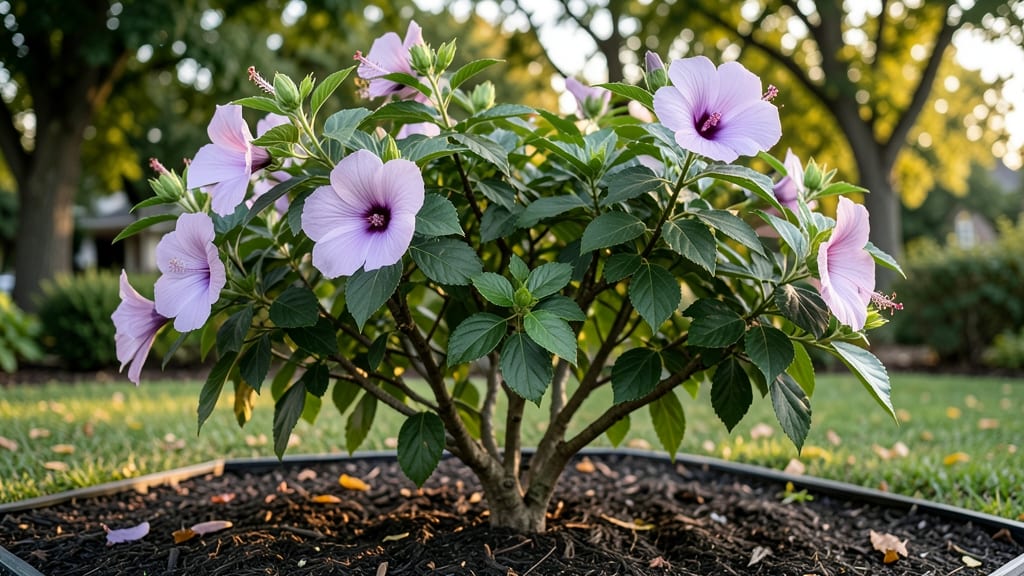
Your Rose of Sharon tree leaves might look healthy, but they're hiding a secret—they're perfect for crafting a fragrant, earthy tea that tastes like summer in a cup. 🌿 The same leaves that might worry you with yellowing or spots can transform into a soothing brew with floral and herbal notes that gardeners swear by.
Start by harvesting leaves in late summer when they're at their peak flavor—avoid any with visible damage or pests. A simple rinse removes dust, then let them dry completely before steeping. The result? A caffeine-free tea that smells like your backyard after rain, with just a hint of sweetness.
No fancy equipment needed, just patience and a little green thumb magic.
📚 In This Guide
- What you need
- Instructions
- Tips and common mistakes
- Wrapping up and next steps
What you need
- ● Fresh or dried Rose of Sharon leaves: 1–2 cups (packed). Harvest leaves from organic, pesticide-free trees (avoid roadsides due to pollution). For dried leaves, ensure they’re fully dehydrated (no moisture).
- ○ Complementary herbs (optional but recommended): ½ cup dried hibiscus flowers (from the same tree for consistency)
- ● ¼ cup dried chamomile or mint (for balance)
- ● 1 tsp ginger root (grated) or cinnamon (for warmth)
- ● Filtered water: 4 cups (for steeping). Avoid tap water if it’s chlorinated.
- ● Pruning shears or sharp scissors: For harvesting leaves (sterilize with rubbing alcohol first!).
- ● Large mixing bowl: Stainless steel or glass (avoid plastic for drying).
- ○ Dehydrator or oven: For drying leaves (set to 170°F (77°C) for 4–6 hours). Optional: Use a mesh screen for even airflow.
- ● Fine-mesh strainer or cheesecloth: For straining tea leaves post-steeping.
- ● Air-tight storage jars: Glass jars with lids (to preserve freshness for up to 6 months).
- ○ Mortar and pestle (optional): For crushing dried leaves to release aromatic oils.
- ● Identification: Double-check your tree is Hibiscus syriacus (not toxic lookalikes like Hibiscus rosa-sinensis). Use a plant ID app or consult a local botanist.
- ● Allergy test: Rub a small amount of crushed leaf on your skin or sip a tiny amount of tea to rule out sensitivities.
- ● Harvest timing: Pick leaves in the morning after dew has evaporated (peak flavor and aroma!).
- ● Local regulations: Ensure harvesting doesn’t violate park or private property rules.
How to harvest and prepare Rose of Sharon leaves for tea
Here's my go-to method for turning your tree's leaves into a fragrant, earthy tea blend.
🌿 Step 1: Select and Harvest the Youngest Leaves
Choose fresh, healthy leaves from the current season's growth—they contain the most delicate flavor. I always pick the topmost, fully opened but still tender leaves, avoiding any that look yellowed or spotted. Morning is best because the leaves are driest and most aromatic after the dew has evaporated.
Use clean, sharp scissors to snip the stems just above a leaf node. This encourages new growth and prevents damaging the branch. Harvest only 10-15% of the tree's leaves at once to avoid stressing the plant. You'll need about 1 cup of fresh leaves to yield a standard tea batch.
💧 Step 2: Clean and Dry the Leaves Thoroughly
Rinse the leaves under cool water to remove dust and any lingering insects. Gently shake them dry or pat with a clean kitchen towel. Spread them on a baking sheet lined with a paper towel in a single layer, ensuring they don't overlap. This prevents mold and ensures even drying.
Place the sheet in a warm, dry spot with good airflow—like a sunny windowsill or under a fan. The leaves are ready when they're crisp to the touch and crumble slightly when rubbed between fingers, which usually takes 3-5 days. Avoid direct sunlight, which can bleach the color and diminish the flavor.
☀️ Step 3: Lightly Toast for Enhanced Aroma
Preheat your oven to 200°F and spread the dried leaves on a baking sheet in a single layer. Toast for 5-7 minutes, stirring halfway through, until they release a fragrant, slightly nutty aroma. This step deepens the flavor without burning the leaves—just watch closely to avoid over-toasting.
Remove the leaves immediately once they turn a pale golden color. Let them cool completely before storing. The toasting step is optional but adds a toasty note that pairs beautifully with the natural floral sweetness. If you skip it, the tea will still taste fresh and herbal.
🪴 Step 4: Store Properly for Maximum Freshness
Transfer the cooled leaves to an airtight glass jar or container lined with a paper towel to absorb any excess moisture. Store in a cool, dark place like a pantry or cupboard. Properly stored leaves retain their flavor for up to 6 months, though they'll start to lose potency after 3 months.
For the best experience, use the leaves within 3 months of harvest. When ready to brew, steep 1-2 teaspoons of dried leaves in 8 ounces of hot water (just below boiling) for 5-7 minutes. Strain and enjoy the delicate floral and earthy notes—perfect on their own or blended with other herbs.
Tips & tricks for perfect Rose of Sharon tea blend
A few simple tricks will help you get the most out of your Rose of Sharon leaves and create tea that's truly special.
Selection Tip: For the best flavor, focus on harvesting leaves from the top third of the tree where they receive the most sunlight. These leaves contain the highest concentration of aromatic oils. I've found that leaves from the morning harvest have the most delicate floral notes—this is when the dew has evaporated but the leaves haven't yet been exposed to the intense midday sun. Avoid any leaves that have brown spots or appear wilted, as these can make your tea taste bitter.
Drying Strategy: The 3-5 day drying time might seem long, but patience pays off here. I've learned that rushing the process by using higher heat can actually destroy the delicate compounds that give Rose of Sharon its signature floral aroma. Instead, create a gentle drying environment by placing your baking sheet near an open window with a fan circulating air. This maintains airflow without direct sunlight exposure, which is crucial for preserving color and flavor.
Toast Timing: When toasting at 200°F, watch for that pale golden color—it's your cue to remove the leaves immediately. I've burned several batches by waiting too long, which turns the leaves bitter. Stirring halfway through those 5-7 minutes helps distribute heat evenly. The moment they release that nutty aroma is when they're perfect. If you miss it, the leaves will quickly go from fragrant to burnt.
Storage Wisdom: That paper towel lining in your storage container isn't just for show—it's essential for absorbing any residual moisture that could cause mold. I've noticed that leaves stored without this simple trick lose their freshness about 30% faster. For maximum freshness, store your leaves in a glass jar rather than plastic. Glass doesn't absorb odors, so your tea will maintain its pure floral character for the full 6 months.
Pro Tips for Rose Of Sharon Tree Leaves
- A few simple tricks will help you get the most out of your Rose of Sharon leaves and create tea that's truly special.
- Selection Tip: For the best flavor, focus on harvesting leaves from the top third of the tree where they receive the most sunlight.
- Drying Strategy: The 3-5 day drying time might seem long, but patience pays off here.
Frequently asked questions
Got questions about Rose of Sharon tree leaves? You’re not alone! Here are some of the most common inquiries—plus quick, practical answers to help you make the most of this fragrant, earthy tea blend.
Are Rose of Sharon leaves safe to eat or drink?
Yes! The leaves of the Hibiscus syriacus (Rose of Sharon) are edible and safe when harvested properly. They’re mild, slightly floral, and earthy—perfect for teas, infusions, or garnishes. Always ensure the tree isn’t sprayed with pesticides before use. Start with small amounts to test for sensitivities.
When is the best time to harvest Rose of Sharon leaves?
The ideal time to pick leaves is late spring to early summer, just before flowering (May–June in most climates). Choose young, tender leaves—they’re more flavorful and less fibrous. Avoid harvesting after rain, as moisture can accelerate spoilage. Morning harvests yield the freshest, most aromatic leaves.
How do I prepare Rose of Sharon leaves for tea?
Start by washing the leaves thoroughly, then let them dry (air-drying or low-heat dehydrating works best). For tea, steep 1–2 teaspoons of dried leaves per cup of hot water (just off boil) for 5–7 minutes. Strain and enjoy! For a stronger flavor, try a second infusion with the same leaves. Pro tip: Mix with chamomile or mint for a balanced, soothing blend!
Can I grow a Rose of Sharon tree just for its leaves?
Rose of Sharon is a hardy, low-maintenance shrub that thrives in USDA zones 5–9. Plant it in full sun to partial shade with well-draining soil. Prune lightly after flowering to encourage leafy growth. With proper care, you’ll have a year-round supply of leaves for tea—plus stunning blooms in late summer!
What should I do if my Rose of Sharon leaves taste bitter?
Bitterness usually means the leaves are overly mature or stressed. Try these fixes:
- Harvest younger leaves (avoid tough, woody ones).
- Steep for shorter durations (3–5 minutes max).
- Use cooler water (180°F instead of boiling).
- Pair with sweeteners or citrus (like lemon) to balance flavors.
Are there alternatives if I can’t find Rose of Sharon leaves?
If you’re craving a floral-earthy tea but can’t source Rose of Sharon, try these substitutes:
- Hibiscus flowers (similar earthiness, slightly tangy).
- Lavender (calming floral notes).
- Rose petals (delicate, fragrant).
- Nettle leaves (mild, slightly grassy).
Wrapping up and next steps
Discovering the versatile potential of Rose of Sharon tree leaves—whether as a fragrant tea, a culinary seasoning, or a natural remedy—opens up a world of earthy, floral possibilities. 🌿 Their unique flavor profile and health benefits make them a fantastic addition to your garden or pantry, proving that nature’s gifts are often right under our noses.
Ready to explore further?
🌱 Next Steps to Try:
- Experiment with recipes: Brew a fresh batch of Rose of Sharon tea or blend the leaves into homemade jams and syrups.
- Share the love: Gift a bundle of dried leaves to fellow plant enthusiasts or tea lovers!
- Expand your knowledge: Dive into other edible garden treasures with similar benefits.