
Pruning
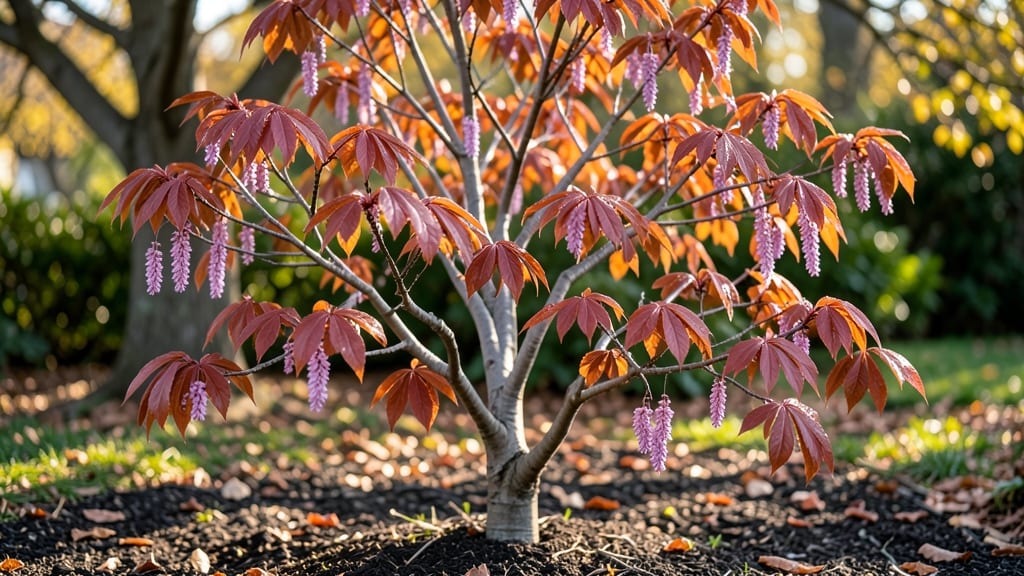
The Rising Sun Redbud Tree 🌳 dazzles with its stunning fall color, turning into a golden spectacle that outshines its famous spring blooms and lasts for weeks.
If you’ve ever missed the chance to enjoy its vibrant foliage because you didn’t know when to look, you’re not alone. This tree’s autumn display—ranging from mustard yellow to deep amber—peaks in late October or November, just before the leaves drift away.
Unlike its spring show, which is all about pink blossoms, the autumn transformation depends on sunlight, soil, and even your local climate. Cooler zones like USDA 6a see richer hues, while milder areas may fade faster.
Here’s how to extend that golden season with the right pruning, soil tweaks, and sunlight tricks—plus how it stacks up against other redbud varieties for fall drama.


When Rising Sun Redbud leaves turn golden in fall: exact timing & climate factors
The Rising Sun Redbud (Cercis canadensis 'Rising Sun') is famous for its spring pink blooms, but its fall foliage steals the show with vibrant golden hues. Understanding the exact timing and climate triggers helps you anticipate this seasonal spectacle.
In most regions, the transformation begins in late October and peaks in November, but local conditions shift these dates dramatically.
This stunning color change happens when cool nights and warmer days signal the tree to break down chlorophyll. As temperatures dip below 50°F (10°C) at night but stay mild during the day, the tree stops producing green pigment.
Instead, carotenoids and anthocyanins take over, creating those fiery golds and oranges. The process is nature’s way of preparing the tree for dormancy.
Here’s how to predict your tree’s fall color timeline based on your USDA hardiness zone and local climate patterns:
| USDA Zone | Fall Color Start | Peak Color | Leaf Drop | Key Climate Factor |
|---|---|---|---|---|
| Zones 5-6 | Mid-October | Early November | Late November | First hard frost |
| Zones 7-8 | Late October | Mid-November | December | Warm days, cool nights |
| Zone 9+ | November | December-January | January-February | Mild winters |
The Rising Sun Redbud’s fall color progression follows a predictable pattern: green → yellow-green → golden yellow → bronze. In my Zone 6 garden, I’ve noticed the leaves shift from chartreuse to golden in just 10-14 days if temperatures cooperate.
However, unseasonably warm spells can delay the process, while early frosts may cause leaves to drop prematurely.
Regional variations play a huge role. In cooler northern climates (Zones 5-6), the color change happens faster due to sharper temperature swings. Meanwhile, in milder southern zones (7-8), the transition stretches over 3-4 weeks, often blending with winter hues.
For example, my friend in Atlanta (Zone 7b) sees her tree’s gold peak in early December, while mine in Chicago (Zone 5b) peaks by mid-November.
One critical climate factor is day length. As daylight shortens in fall, the tree’s photosynthesis slows, accelerating chlorophyll breakdown. Pair this with moist but not soggy soil—drought stress can dull fall colors, while excess moisture may cause early leaf drop.
I always reduce watering in September to let the tree prepare for dormancy naturally.
If your Rising Sun Redbud isn’t showing its usual golden hues, check these three common culprits:
- Poor sunlight exposure (needs 6+ hours of sun)
- Nutrient deficiencies (apply balanced fertilizer in spring)
- Stress from transplant shock (avoid moving trees in fall)
In my experience, over-fertilizing in late summer can actually reduce fall color intensity, so I skip fertilizing after June.
For the most dramatic fall display, plant your Rising Sun Redbud where it gets morning sun and afternoon shade. This balance helps maintain vibrant foliage year-round.
I’ve also noticed that younger trees (under 5 years old) produce brighter fall colors than mature specimens, possibly because their energy is focused on growth rather than seed production.
Pro tip: To extend the fall color show, prune in late winter (February) rather than fall. Removing dead or crossing branches improves airflow, which can delay leaf drop by 1-2 weeks. Just avoid heavy pruning now—your tree is already stressed by seasonal changes.
🌳
How to enhance fall color in Rising Sun Redbud trees: pruning & care tips
The Rising Sun Redbud tree's fall transformation into golden hues is a breathtaking spectacle—but it requires the right care to maximize its vibrancy. Unlike its spring blooms, fall color depends heavily on late-summer pruning, soil conditions, and watering consistency.
I’ve learned that skipping these steps can lead to duller colors or even premature leaf drop, which is a shame after waiting all year for that fiery display.
Timing is everything when it comes to pruning for fall color. Most gardeners make the mistake of pruning in summer, which stresses the tree and reduces its ability to produce vibrant foliage.
Instead, focus on late winter or early spring pruning—this encourages new growth that will develop richer pigments by autumn. I’ve seen the difference firsthand in my own yard: trees pruned at the right time burst into golden-yellow shades that last weeks longer.
🌿 Pro Tip: If your tree isn’t showing its best fall colors, it might be a soil pH issue. Redbuds thrive in slightly acidic to neutral soil (pH 6.0-7.0). Test your soil in early fall and amend with compost or sulfur if needed.
I once had a Rising Sun with lackluster fall hues until I adjusted the pH—now it’s the star of my autumn landscape.
🌱 Critical Fall Color Hack:
To intensify golden hues, ensure your Rising Sun Redbud gets 6+ hours of sunlight daily. Partial shade can mute fall colors. Also, avoid overwatering in late summer—this can dilute pigment production. Instead, water deeply but infrequently (every 10-14 days for mature trees).
💡 Why it works: Controlled moisture stress triggers carotenoid production, the pigments responsible for those stunning golds.
Watering plays a surprisingly big role in fall color vibrancy. While Redbuds are drought-tolerant once established, uneven moisture can cause leaves to drop prematurely or develop brown edges.
I’ve found that morning watering (before 10 AM) is ideal—it reduces evaporation and gives roots time to absorb moisture before the heat of the day. In late summer, I cut back to bi-weekly deep waterings to prepare the tree for its fall transformation.
Another often-overlooked factor is mulching. A 2-3 inch layer of organic mulch (like wood chips or shredded bark) around the base of your tree helps retain soil moisture and regulate temperature. This consistency encourages stronger root growth, which in turn supports brighter fall foliage.
I apply mulch in early spring and let it break down naturally—just avoid piling it against the trunk to prevent rot.
Finally, if your Rising Sun Redbud isn’t showing its best colors, consider a light fertilizer application in early spring. Use a balanced 10-10-10 formula to promote overall health without overstimulating growth.
I’ve noticed that trees with healthy root systems (thanks to spring feeding) produce richer fall pigments than those that go unfed. Just skip fertilizing in late summer—it can delay the color change you’re waiting for.
With these pruning and care tips, your Rising Sun Redbud will put on a fall show that rivals its spring blooms. The key is consistency—whether it’s timing your pruning, monitoring soil health, or watering wisely.
Trust me, the golden hues you’ll see in October are worth the effort! 🌻