
Pruning
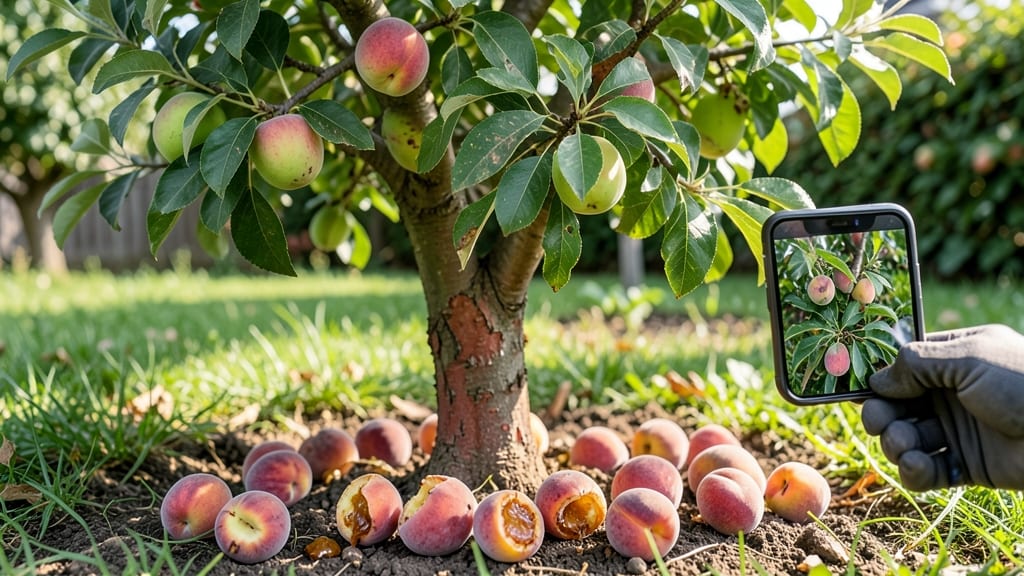
Your peach tree dropping fruit before ripening is one of the most frustrating garden mysteries—until you know the real causes. 🌿 I’ve seen trees loaded with blossoms turn bare branches by summer, and it’s never just "bad luck."
The truth is usually a mix of environmental stress, overproduction, or hidden pests playing havoc with your harvest.
Most fruit drop happens between 6-8 weeks after bloom, when tiny peaches form but can’t mature. Heat waves, drought, or sudden temperature swings trick the tree into thinking it can’t support the crop—so it drops fruit to "save energy."
Even overwatering or poor soil nutrition can trigger this survival response. The good news? Once you identify the trigger, fixing it is often as simple as adjusting your care routine.
You’ll learn 4 targeted fixes that actually work—from deep watering techniques to pruning strategies that balance fruit load. For example, thinning overcrowded fruit early prevents later drop, while a 2-inch layer of mulch keeps roots stable during heatwaves.
Organic sprays can also protect against brown rot, the #1 disease that causes premature fruit fall.
This isn’t just about saving a few peaches—it’s about training your tree to produce consistently year after year. We’ll cover when to call in a pro (like for borer infestations) and how to spot early warning signs before fruit hits the ground. Your next harvest could be the best yet.
Root Causes Behind Fruit Drop
Understanding why your peach tree is prematurely shedding fruit starts with uncovering the hidden triggers behind this common gardening frustration. 🌳🍑 From environmental stressors to biological quirks, several factors can turn a promising harvest into a sad, empty branch. Let’s break down the science—and what you can do about it.
Peach trees are sensitive to extreme weather, and sudden shifts can force them to "abort" fruit development as a survival tactic. Here’s how it works:
- Heat Waves & Pollination Failure Peach blossoms rely on consistent temperatures (55–85°F) for proper pollination. If daytime temps soar above 90°F during bloom, pollen grains dehydrate and fail to stick to pistils.
Without fertilization, the tree drops blossoms or young fruit within 7–10 days. 🌡️✨ Actionable fix: Use shade cloth during peak bloom or water the tree deeply at the base to stabilize soil temps.
- Late Frost or Freeze Damage Peach flowers are extremely frost-sensitive—even a 28°F night can kill pollen or damage flower tissues.
If frost hits after petal fall but before fruit sets, the tree may drop small, hardened fruit (called "June drop"). Actionable fix: Plant cold-hardy varieties (e.g., ‘Relenta’ or ‘Redhaven’) and use row covers during late-spring frosts.
- Drought or Overwatering Peach trees need consistent moisture (1–1.5 inches per week). Drought stress triggers abscission (fruit drop) to conserve energy, while waterlogged roots suffocate the tree, starving fruit of nutrients. Actionable fix: Mulch heavily (3–4 inches of wood chips) and water at the drip line, not the trunk.
Fruit drop can signal a hidden hunger—your tree might be starving for key nutrients critical for fruit retention. Here’s what to watch for:
| Nutrient Deficiency | Symptoms on Tree | Symptoms on Fruit | Quick Fix |
|---|---|---|---|
| Boron | Cracked bark, stunted growth | Small, misshapen fruit; drops early | Apply borax (1 tsp/gallon water) as a foliar spray. |
| Calcium | Yellowing leaves, weak stems | Blossom end rot, fruit drops | Side-dress with crushed eggshells or gypsum. |
| Nitrogen | Pale green leaves, sparse foliage | Poor fruit set, weak growth | Use balanced fertilizer (10-10-10) in early spring. |
| Potassium | Brown leaf edges, weak branches | Fruit shrivels or falls prematurely | Apply wood ash or potassium sulfate. |
💡 Pro Tip: Test your soil with a home kit ($10–$20) before amending—over-fertilizing can burn roots!
Unseen invaders can sabotage your harvest by damaging flowers, fruit, or roots, forcing the tree to drop its cargo. Common culprits:
- Peach Tree Borer (Synnoma sp.) Larvae chew into the trunk, disrupting nutrient flow. Infested trees often drop fruit due to starvation stress. Actionable fix: Prune and burn infested branches; apply beneficial nematodes (e.g., Heterorhabditis bacteriophora) in spring.
- Brown Rot (Monilinia fructicola) This fungus infects blossoms, causing them to mummify and drop. It also rots developing fruit, leading to premature loss. Actionable fix: Remove and destroy infected fruit; spray copper fungicide during bloom.
- Aphids & Spider Mites These sap-suckers weaken the tree by draining energy. Heavy infestations can cause fruit to shrivel and fall. Actionable fix: Blast off pests with a strong hose spray or introduce ladybugs (natural predators).
Peach trees have a finite energy budget. If they produce too many blossoms (often due to pruning mistakes or vigorous growth), they prioritize a few strong fruits over weak ones—a process called "June drop."
- Why It Happens:
- Thinning wasn’t done in early spring (leaving too many fruit).
- Over-fertilizing with nitrogen (promotes leaves over fruit).
- Young trees (under 5 years old) lack the energy to support a full crop.
Actionable fix: 🔪 Hand-thin fruit when 1-inch diameter (leave 6–8 inches between fruits). 🌱 Reduce nitrogen in summer to shift energy to fruit retention.
Peach trees use plant hormones to decide which fruit stays and which goes. Ethylene gas (released during stress) and auxin (a growth hormone) trigger drop in these scenarios:
- Small or Deformed Fruit: The tree aborts weak fruit to invest in stronger ones.
- Hormonal Sprays Gone Wrong: Overuse of growth regulators (like NAA or 2,4-D) can disrupt natural fruit retention.
- Root Grafting Stress: If your tree is a budded graft, poor union between rootstock and scion can cause nutrient mismatches, leading to drop.
Actionable fix: ✨ Avoid synthetic hormones unless directed by a local extension service. 🌿 Ensure strong root-to-scion bonding—check for swelling at the graft union.
Fixing Premature Fruit Drop
When your peach tree lets go of its fruit too early, it’s often a sign of stress or imbalance. The good news? Most causes have simple, actionable fixes. Below, we’ll match common triggers to practical solutions—plus tips to keep your tree healthy and productive for years.
Signs: Wilting leaves, fruit dropping en masse, or soil that’s either bone-dry or soggy.
How to Fix It: 🔥 Adjust Your Watering Routine
- Drought stress? Water deeply 1–2 times per week (depending on climate), soaking the root zone (12–18 inches down). Use a soaker hose or drip irrigation to avoid wetting foliage.
- Overwatering? Let the top 2–3 inches of soil dry out between waterings. Improve drainage by amending clay soil with compost or sand.
🍳 Mulch Like a Pro
- Spread 2–4 inches of organic mulch (wood chips, straw) around the base, but keep it 6 inches away from the trunk to prevent rot. Mulch retains moisture and regulates soil temperature.
🌡️ Pro Tip: Water in the early morning to reduce evaporation and fungal risks. Avoid wetting leaves to prevent diseases like brown rot.
Signs: Small, misshapen fruit; yellowing leaves; or fruit dropping before ripening.
How to Fix It: 💡 Test Your Soil
- Grab a DIY soil test kit (or send a sample to your local extension office) to check pH and nutrient levels. Peach trees thrive in slightly acidic soil (pH 6.0–6.5).
👨🍳 Fertilize Strategically
- Early spring (before buds swell): Apply a balanced fertilizer (10-10-10 or 8-3-9) to encourage leaf and fruit growth.
- Mid-summer (June–July): Switch to a low-nitrogen, high-potassium fertilizer (like 5-10-10) to support fruit maturation.
- Organic option? Use composted manure or worm castings for a slow-release boost.
🎯 Target-Specific Fixes
| Deficiency | Symptoms | Solution |
|---|---|---|
| Nitrogen | Yellow lower leaves | Side-dress with blood meal |
| Potassium | Weak stems, poor fruit set | Apply greensand or wood ash |
| Calcium/Magnesium | Blossom end rot, small fruit | Sprinkle crushed eggshells or Epsom salt (1 tbsp/gallon water) |
Signs: Holes in fruit, sticky residue (aphids), fungal spots, or premature wilting.
How to Fix It: 🔪 Identify the Culprit First
- Peach tree borers? Look for sawdust-like frass near the trunk or bark tunnels.
- Brown rot? Check for mummified fruit or gray mold on blossoms.
- Aphids/spider mites? Inspect the undersides of leaves for tiny webs or clusters.
⏰ Act Fast with These Remedies
- Organic sprays:
- Neem oil (diluted) for pests like aphids or mites.
- Baking soda spray (1 tbsp baking soda + 1 tsp soap + 1 gallon water) for fungal diseases.
- Physical barriers:
- Wrap the trunk with tree guard to deter borers.
- Use row covers during bloom to block fruit flies.
- Cleanup: Remove and destroy dropped fruit (don’t compost!) to stop disease spread.
💡 Prevention Tip: Prune for good airflow—thin out dense branches in late winter to reduce humidity and pest hiding spots.
Signs: Fruit dropping after heatwaves, hail, or sudden cold snaps.
How to Fix It: 🌡️ Protect Against Temperature Swings
- Young trees? Cover with frost cloth during late frosts (peach trees need chilling hours but can’t handle late freezes).
- Heat stress? Provide afternoon shade (via a temporary shade cloth) during extreme heatwaves.
🥗 Boost Tree Resilience
- Deep watering before heatwaves helps roots access moisture.
- Avoid heavy pruning in summer—focus on light thinning to reduce stress.
🎯 Long-Term Fix: Plant peach trees in a sheltered location (e.g., near a fence or building) to buffer wind and temperature extremes.
Signs: Fruit dropping from overcrowded branches or weak wood.
How to Fix It: 🔥 Thin Out Fruit (Yes, Really!)
- Remove 10–20% of the smallest, least ripe fruit in early summer to reduce stress on the tree. This ensures the remaining fruit grows larger.
🍳 Prune for Balance
- When to prune: Late winter (dormant season) or immediately after harvest.
- How to prune:
- Remove dead, crossing, or inward-growing branches.
- Open the canopy to improve sunlight and airflow.
- Avoid topping the tree—prune to create a natural vase shape.
💡 Pro Tip: Use sterilized pruners (wipe with rubbing alcohol) to prevent disease spread. Seal large cuts with pruning sealant if needed.
If your tree drops fruit before it’s ripe, try these tricks:
- Pick early? Let green fruit ripen indoors at room temperature (it won’t sweeten further, but it’ll soften).
- Wait it out? Harvest when fruit easily detaches with slight pressure and has a yellow blush.
- Prevent early drop: Hand-thin fruit in June to avoid overburdening the tree.
Final Reminder: Most peach trees drop some fruit naturally—focus on saving the best by addressing the root cause. With consistent care, your tree will rebound and produce sweeter, heavier harvests next season! 🌟
Frequently asked questions
Why does my peach tree drop fruit even when it looks healthy?
Even healthy peach trees naturally drop 30-50% of their fruit during June drop (6-8 weeks after bloom) to focus energy on stronger fruit. This is normal, but excessive drop may signal overcrowding, nutrient imbalances, or hormonal stress. Try thinning fruit to 6-8 inches apart to reduce competition.
Can I save fruit that's already dropped? How do I know if it's still good?
Check for soft spots, mold, or fermented smells—these mean it's unsafe. If firm and fresh, wash it and let it ripen indoors at room temperature. For future harvests, pick peaches when they easily detach with slight pressure and show a yellow blush.
Is it too late to fix fruit drop if it's already happening?
Not necessarily! Start by deep watering at the drip line and applying mulch (3-4 inches) to stabilize soil moisture. For next season, focus on spring thinning and balanced fertilization (avoid excess nitrogen). If pests/diseases are the cause, act fast with neem oil or copper fungicide.
How do I tell if my peach tree is dropping fruit due to pests vs. environmental stress?
Look for these clues: Pests often leave holes, sticky residue (aphids), or sawdust-like frass near the trunk. Environmental stress shows as uniform fruit drop across branches, yellowing leaves, or small, misshapen fruit. Inspect the undersides of leaves and fruit surface for signs.
Will pruning help stop fruit from dropping?
Yes, but timing matters. Prune in late winter to remove dead/crossing branches and open the canopy for airflow. Avoid heavy pruning in summer—focus on light thinning to reduce stress. The goal is to balance fruit load with the tree's energy capacity.