
Blooming
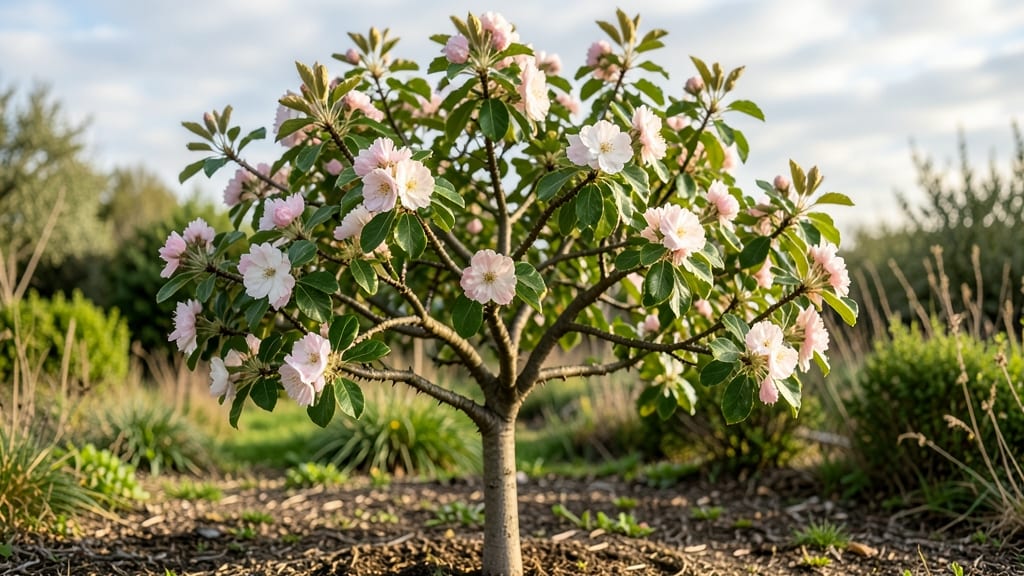
A quince tree in bloom turns your garden into a fragrant pink dream. 🌸 The delicate, blush-colored flowers appear in late spring, creating a soft, cloud-like canopy that instantly elevates any landscape.
Unlike showy peonies or bold roses, quince blooms offer quiet elegance—petals that drift like confetti on a breeze, filling the air with a honeyed scent that lingers for hours.
This underrated tree thrives as a focal point in cottage gardens or as a subtle accent in formal designs. Pair it with lavender for contrast, or let it stand alone near a seating area where you can sip tea beneath its fragrant branches.
The blooms last just 10-14 days, but their fleeting beauty makes every season brighter.
For maximum impact, plant quince where its pink haze will spill over pathways or frame a doorway. The tree’s glossy leaves add year-round interest, and its small, edible fruits (when cooked) offer a bonus. Even in partial shade, it blooms reliably—proof that beauty doesn’t need full sun.
Design tip: Use quince to soften sharp garden edges or create a romantic border along a fence. Its low-maintenance nature makes it perfect for busy gardeners who still crave drama. Once established, it’s nearly foolproof—just prune lightly after blooming to keep the shape tidy.
📚 In This Guide
- What you need
- Instructions
- Tips and common mistakes
- Wrapping up and next steps
What you need
- ● Quince tree (Cydonia oblonga): 1-3 saplings (choose disease-resistant varieties like ‘Orange Red’ or ‘Van Deman’ for best blooms)
- ● OR seeds from organic, heirloom quince fruit (soak seeds in water for 24 hours to soften the shell)
- ● Well-draining soil mix: 50% native soil + 30% compost + 20% coarse sand or perlite (quince trees hate soggy roots!)
- ● Sunlight access: Full sun (6+ hours daily) in a sheltered spot (protect from strong winds)
- ● Watering can or hose with a gentle spray nozzle
- ● Organic mulch (wood chips, straw, or shredded leaves, ~2-3 inches thick)
- ● Garden trowel or spade (for digging holes 2-3x wider than the root ball)
- ● Pruning shears (sterilized with rubbing alcohol for clean cuts)
- ● pH testing kit (ideal soil pH: 6.0–7.0; amend with lime if needed)
- ● Fertilizer: Balanced organic fertilizer (10-10-10 or composted manure) at planting time
- ● Slow-release granules (like Osmoote) for spring blooms
- ● Drip irrigation system (for consistent moisture)
- ● Tree collar guard (to protect young trunks from pests)
- ● Epsom salt (1 tbsp/month in water for magnesium boost)
- ● Pollinator-friendly plants (lavender, rosemary) nearby to attract bees for better fruit set
- ● Stake and ties (for young trees in windy areas)
How to care for a quince tree in full bloom
Here’s how to keep your fragrant pink quince tree thriving once those stunning blossoms appear.
☀️ Step 1: Position for Maximum Sun and Airflow
Quince trees need full sun—at least 6-8 hours daily—to maintain vibrant blooms and robust growth. I always plant mine in a spot where it gets morning sun and afternoon shade if summers run hot. The pink flowers fade fastest in intense midday heat, so a little afternoon relief keeps them looking fresh longer.
Space your tree 15-20 feet away from structures or other plants. Quince trees have a moderate growth habit, but poor airflow invites fungal diseases like powdery mildew, which can ruin blooms. You’ll know airflow is right when you see the branches sway gently in the breeze without leaves touching nearby foliage.
💧 Step 2: Water Deeply but Infrequently
Once in bloom, quince trees are surprisingly drought-tolerant—but that doesn’t mean you can neglect them. Water deeply once a week during dry spells, soaking the top 12 inches of soil. The key is letting the soil dry out between waterings; quince roots rot easily in soggy conditions. I check moisture by sticking my finger 3 inches down—if it feels dry, it’s time to water.
Mulch around the base with 2-3 inches of organic mulch (like shredded bark) to retain moisture and regulate soil temperature. Keep mulch 6 inches away from the trunk to prevent rot. Overwatering now is the fastest way to drop those beautiful pink blooms prematurely.
✂️ Step 3: Prune Lightly to Encourage More Blooms
Pruning while in bloom might seem counterintuitive, but a little strategic trimming now sets up next year’s flowers. Remove dead, crossing, or diseased branches first—these are easy to spot by their brown or tangled growth. Use clean, sharp pruners to make cuts just above a leaf node or outward-facing bud.
For shaping, limit yourself to no more than 20% of the tree’s canopy. Quince trees bloom on both old and new wood, so aggressive pruning reduces next year’s flowers. Watch for water sprouts (thin, vertical shoots)—these steal energy from blooms and should be pruned back to the main branch.
🌿 Step 4: Feed for Long-Lasting Blooms
Apply a balanced, slow-release fertilizer (like 10-10-10) in early spring, but hold off until after blooming to avoid encouraging leafy growth at the expense of flowers. Instead, focus on organic amendments like composted manure or worm castings worked into the top 6 inches of soil now. Quince trees are lightweight feeders—too much nitrogen turns blooms into leaves.
You’ll see healthier, longer-lasting flowers if the soil is rich but not overfed. A simple soil test before planting tells you exactly what your tree needs. I’ve found quince trees in my zone thrive with slightly acidic to neutral soil (pH 6.0-7.0)—adjust with lime or sulfur if needed.
🐞 Step 5: Protect Blooms from Pests and Wildlife
Quince trees attract pollinators, but they also draw pests like aphids, scale, and Japanese beetles. Inspect leaves and buds weekly for sticky residue (honeydew) or chewed petals—signs of trouble. Spray with neem oil (mixed as directed) if you spot early infestations. The oil coats pests without harming bees when applied in the evening.
Birds and squirrels love quince flowers too, but they rarely cause damage. If you notice excessive nibbling, drape lightweight netting over clusters of blooms. Quince flowers are self-fertile, so even if some are lost, the tree will still set fruit. The real goal is preserving the fragrance and visual impact of that pink cloud.
Tips & tricks for perfect quince tree bloom care
Here's what nobody tells you about keeping those fragrant pink clouds looking their best.
Sunlight Strategy: Those 6-8 hours of daily sun are non-negotiable for vibrant blooms, but I've learned the hard way that afternoon shade makes all the difference. If your tree gets intense midday heat, consider planting it where it receives morning sun and afternoon relief. The flowers will last longer and maintain that stunning pink color instead of wilting prematurely.
Watering Wisdom: The once-weekly deep watering is key, but don't guess—stick your finger 3 inches down. If it feels dry, water until the top 12 inches are soaked. I've seen quince trees lose blooms overnight from overwatering, so let the soil dry between waterings. Mulching with 2-3 inches of organic material helps maintain that moisture balance perfectly.
Pruning Precision: When trimming those dead or crossing branches, make your cuts just above a leaf node or outward-facing bud. This might seem technical, but it's what prevents ugly stubs and encourages new growth. I always use sterilized pruners to avoid introducing diseases that could ruin next year's blooms. Remember, you're only shaping 20% of the canopy—less is more with quince trees.
Pest Prevention: That weekly inspection for sticky residue or chewed petals is crucial. I've caught aphid infestations early by checking every Monday morning—neem oil applied in the evening works wonders without harming pollinators. For birds and squirrels, lightweight netting is your secret weapon for preserving that fragrant pink display without damaging the tree itself.
Pro Tips for Quince Tree In Bloom
- Here's what nobody tells you about keeping those fragrant pink clouds looking their best.
- Sunlight Strategy: Those 6-8 hours of daily sun are non-negotiable for vibrant blooms, but I've learned the hard way that afternoon shade makes all the difference.
- Watering Wisdom: The once-weekly deep watering is key, but don't guess—stick your finger 3 inches down.
Frequently asked questions
Got questions about nurturing a quince tree in bloom? You’re not alone! Here are some of the most common queries—plus quick, practical answers to help you cultivate those stunning fragrant pink blossoms with confidence.
When is the best time to plant a quince tree for optimal blooms?
The ideal time to plant a quince tree is in early spring or fall, when soil temperatures are cool but not frozen. This gives roots time to establish before summer heat or winter dormancy. Avoid planting in extreme heat or cold—root stress can delay (or even prevent) those showstopping blooms!
How long does it take for a quince tree to bloom after planting?
Patience is key! Most quince trees take 2–5 years to produce their first blooms, depending on variety, climate, and care. Dwarf varieties may bloom sooner (as early as 2 years), while standard trees could take closer to 4–5 years. Prune lightly in early spring to encourage healthy growth and faster flowering.
What pests or diseases should I watch for on a quince tree in bloom?
Quince trees are generally hardy, but watch for aphids, scale insects, and fire blight (a bacterial disease causing blackened branches). To prevent issues:
- Spray blooms with neem oil if aphids appear.
- Remove infected branches immediately if you spot fire blight.
- Ensure good airflow by pruning dense growth.
Can I grow a quince tree in a container? And will it still bloom?
Yes! Dwarf quince varieties (like Chaenomeles speciosa ‘Nivalis’) thrive in 15–20 gallon containers with well-draining soil. They’ll still bloom beautifully, though fruit production may be limited. Use a large pot with drainage holes and repot every 2–3 years. Place in full sun for the best floral display!
Why aren’t my quince tree’s flowers fragrant like I expected?
Fragrance fades if the tree is stressed, over-fertilized, or lacks sunlight. Ensure it gets 6+ hours of sun daily and use a balanced, low-nitrogen fertilizer in early spring. Prune to improve airflow, and avoid heavy pruning during bloom season—this can reduce scent production.
Wrapping up and next steps
A quince tree in bloom isn’t just a sight—it’s a sensory masterpiece that turns any garden into a fragrant paradise. 🌸 From its delicate pink blossoms to its intoxicating scent, this tree brings magic, charm, and a touch of old-world romance to your outdoor space.
Whether you’re a seasoned gardener or just starting, planting one is a rewarding step toward creating a haven that delights all five senses.
Ready to invite this beauty into your life? Start small: research your local climate, pick the perfect variety, and take that first step toward a garden that feels like a dream. Your future self—and your nose—will thank you!