
Pruning
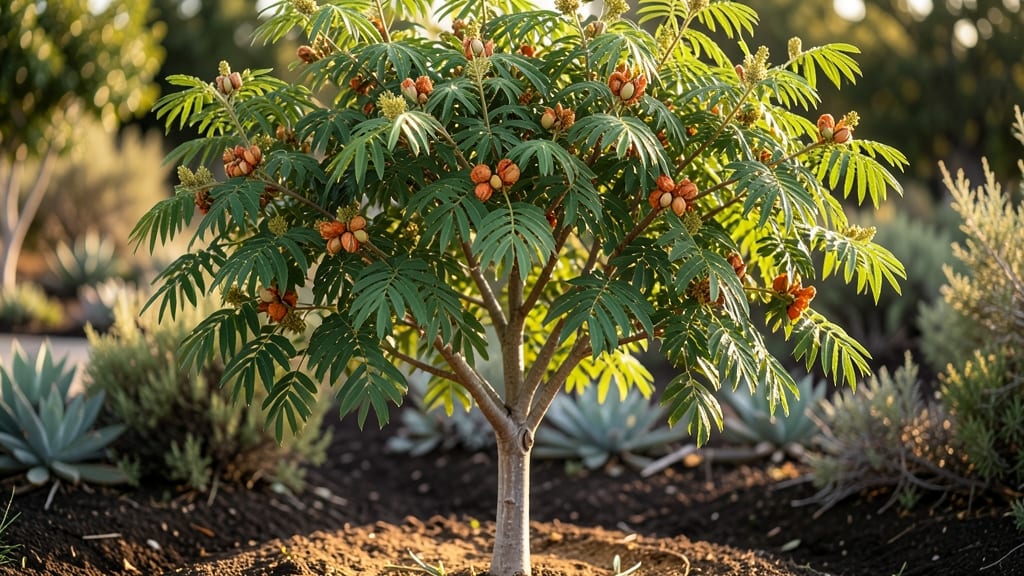
Growing pistachio trees in Florida’s subtropical heat is a bold move—because while they thrive in California’s Mediterranean climate, Florida’s humidity and occasional cold snaps demand extra care. 🌿 I’ve learned the hard way that pistachios here need year-round pruning to balance growth and fruit production, but with the right approach, you can coax these nut trees into bearing in your backyard.
The key is mimicking their native conditions: well-draining soil, full sun, and protection from frost. Florida’s sandy soils often need amendments, and young trees benefit from winter mulching to shield roots from temperature swings.
Pruning isn’t just about shaping—it’s about opening the canopy to sunlight and air, which pistachios crave for nut development.
By summer, you’ll see the payoff: vibrant green foliage and the first signs of nut clusters. The pruning rhythm shifts with seasons—aggressive cuts in late winter to remove dead wood, lighter trims in spring to encourage branching, and strategic thinning in fall to prevent overcrowding.
It’s a labor of love, but the harvest? Worth every hour.
For Florida gardeners, this isn’t just about growing pistachios—it’s about pushing the limits of what’s possible in our climate. With patience and precision, you can turn these finicky trees into a reliable nut producer, even in the heat and humidity. Let’s get to the details!
📚 In This Guide
- What you need
- Instructions
- Tips and common mistakes
- Wrapping up and next steps
What you need
- ● Pistachio Tree Variety: Choose a cold-hardy, Florida-friendly variety like ‘Kerman’ or ‘Peters’ (ensure it’s grafted for best results).
- ● Well-Draining Soil: 50 lbs of a mix of sandy loam (60%), peat moss (20%), and compost (20%).
- ● Pruning Tools: 1 bypass pruners (for clean cuts on small branches).
- ● 1 pruning saw (for thicker branches, 8–12 inches).
- ● 1 loppers (for mid-sized branches, 18–24 inches).
- ● 1 pole pruner (for high branches, extendable to 10+ feet).
- ● Fertilizer: 10 lbs of balanced 10-10-10 NPK fertilizer + 5 lbs of magnesium sulfate (for pistachio-specific needs).
- ● Mulch: 2–3 inches of wood chips or pine straw to retain moisture.
- ● Drip Irrigation System: 1/2-inch tubing with emitters (adjustable flow rate).
- ● Pollination Partner: A second pistachio tree of a compatible variety (pistachios are self-pollinating but yield better with a mate!).
- ● Soil pH Test Kit: To ensure your soil is 6.5–7.5 pH (ideal for pistachios).
- ● Tree Support: 1–2 tree stakes + soft ties for young saplings.
- ● Pest Control: Neem oil or horticultural oil for aphids/spider mites.
- ● Shade Cloth: 30% shade fabric to protect young trees from intense Florida sun.
- ● GPS Coordinates: For tracking your tree’s USDA Hardiness Zone (Zone 9–10 recommended).
Step-by-Step guide to pruning pistachio trees in Florida
Florida’s warm climate lets pistachio trees thrive year-round—but only with precise pruning. Here’s how to maintain strong growth and maximize nut production.
✂️ Step 1: Prune New Growth in Late Winter (January-February)
Start by removing dead, diseased, or crossing branches first—these compete for energy and invite pests. Use clean, sharp pruners to make cuts just outside the branch collar (the swollen area where the branch meets the trunk). Florida’s mild winters mean pistachios grow early, so winter pruning prevents overcrowding before spring flush.
Next, thin out excessive vertical shoots to improve airflow. Aim for 6-8 inches between branches—this reduces humidity buildup, which Florida’s heat and humidity amplify. Watch for water sprouts (thin, fast-growing shoots) and cut them back to ½ inch above a lateral bud. These sprouts drain energy that could go toward nut production.
☀️ Step 2: Summer Pruning (June-July) for Light Penetration
Florida’s intense summer sun can scorch branches if the canopy gets too dense. In mid-July, focus on thinning the upper canopy to let sunlight reach lower branches. Pistachios need full sun exposure for nut development, so prune back any branches shading the interior by 20-30%. Use hand pruners for smaller branches and a pruning saw for thicker stems over ½ inch in diameter.
Remove suckers (shoots growing from the base or roots) immediately—they steal nutrients from the main tree. Florida’s sandy soil encourages aggressive sucker growth, so stay vigilant. After pruning, sterilize tools with rubbing alcohol to prevent fungal spread in the humid climate.
🌿 Step 3: Light Structural Pruning in Early Fall (September-October)
Fall is ideal for shaping the tree’s structure without stressing it before winter. Focus on removing weak or poorly placed branches—look for those growing straight upward (they’re prone to breaking in storms) or rubbing against others (they create wounds). Cut these back to a strong lateral branch or the branch collar.
Thin the outer canopy to improve air circulation, which is critical in Florida’s damp fall months. Aim for open, vase-like shape to prevent fungal diseases like botryosphaeria canker, common in pistachios. After pruning, mulch around the base with 2-3 inches of organic mulch (like pine bark) to retain moisture and regulate soil temperature.
⏰ Step 4: Minimal Winter Pruning (December) for Storm Damage
Florida’s occasional winter storms can damage branches, so do a quick inspection in December. Prune only broken or split limbs—never remove healthy growth this late. Use three-cut method for larger branches: first cut 12-18 inches out from the branch, then undercut ½ inch above the branch collar, and finally remove the branch. This prevents bark tears.
If you notice dieback (dead branches) from cold snaps, prune those back to live wood. Avoid heavy pruning in winter—pistachios are semi-dormant and heal slowly in Florida’s mild winters. Instead, fertilize lightly with a balanced 8-8-8 or 10-10-10 in early January to support new growth.
🌱 Step 5: Post-Pruning Care for Florida Conditions
After pruning, water deeply to help the tree recover, especially if Florida’s dry season follows. Pistachios need 1-1.5 inches of water weekly during dry spells. Apply mulch again if it’s broken down, and monitor for pests like aphids or scale, which thrive in pruned trees. A horticultural oil spray in early spring can prevent infestations.
Finally, record your pruning cuts on a simple sketch of the tree. Note branch locations and sizes—this helps track growth patterns year to year. Florida’s fast-growing pistachios respond well to consistent pruning, so repeat these steps annually for healthier trees and higher nut yields.
Tips & tricks for Florida pistachio tree pruning success
Mastering pistachio tree pruning in Florida's unique climate takes precision—and a few insider tricks. Here's what I've learned from years of working with these fast-growing trees.
Timing is Everything: Florida's mild winters mean pistachios start growing earlier than northern climates. That's why the January-February window for Step 1 is critical—pruning too late risks encouraging spring flush before the tree's fully hardened off. I always check for new growth before starting; if you see buds swelling, it's time to prune. The 6-8 inch spacing between branches isn't arbitrary—it's calculated to prevent humidity buildup in Florida's heat, which can lead to fungal issues.
Tool Sterilization Matters: After summer pruning (Step 2), I can't stress enough how important it is to sterilize your tools between cuts. Florida's humid climate creates perfect conditions for fungal spores to spread. I keep rubbing alcohol in a small spray bottle clipped to my belt—just a quick spray between branches prevents botryosphaeria canker from taking hold. For larger trees, I use a separate saw for each branch size to avoid cross-contamination.
Visual Pruning Cues: When shaping your tree in fall (Step 3), look for these telltale signs: branches growing straight up (these break easily in storms) and branches rubbing against others (they create wounds). I always cut back to the branch collar—this swollen area is where the tree's natural healing begins. For the outer canopy thinning, I aim to remove about 20-30% of shading branches, but I never remove more than 25% in any single session to avoid stressing the tree.
Storm Damage Protocol: Florida's occasional winter storms can create urgent pruning needs in December. If you must remove large branches, use the three-cut method precisely: the first cut should be 12-18 inches out (this prevents bark tears), the undercut should be exactly ½ inch above the branch collar, and the final removal should be clean. I've seen too many trees develop cankers from improper cuts—this method ensures clean wounds that heal properly.
Pro Tips for Pistachio Tree Florida
- Mastering pistachio tree pruning in Florida's unique climate takes precision—and a few insider tricks.
- Timing is Everything: Florida's mild winters mean pistachios start growing earlier than northern climates.
- Tool Sterilization Matters: After summer pruning (Step 2), I can't stress enough how important it is to sterilize your tools between cuts.
Frequently asked questions
Got questions about growing pistachio trees in Florida? You’re not alone! Here are some of the most common queries—plus straightforward answers to help you cultivate a thriving orchard.
Can pistachio trees thrive in Florida’s humid climate?
Yes, but with care! Pistachios prefer drier, cooler climates, so Florida’s heat and humidity can stress them. Choose dwarf or semi-dwarf varieties (like ‘Kerman’ or ‘Peters’) and plant in well-draining, slightly acidic soil with full sun. Mulch heavily to retain moisture and protect roots from extreme heat. Prune aggressively to improve airflow and reduce fungal risks.
How long does it take for a pistachio tree to bear nuts in Florida?
Patience is key! Pistachio trees typically take 4–7 years to produce nuts, even under ideal conditions. In Florida’s warmer climate, growth may be faster, but cross-pollination is essential—plant at least two compatible varieties (e.g., ‘Peters’ + ‘Kerman’) for successful fruiting. Male trees (like ‘Peters’) must be nearby for female trees to pollinate.
When is the best time to prune pistachio trees in Florida?
Prune twice a year for Florida’s warm climate:
- Late winter (Jan–Feb): Remove dead/diseased wood and shape the tree before spring growth. Aim for an open canopy to reduce humidity-related issues.
- Summer (June–July): Lightly thin foliage to improve airflow and prevent fungal diseases like botryosphaeria canker. Avoid heavy pruning—focus on selective trimming.
What are the biggest challenges for pistachio trees in Florida?
Florida’s climate brings unique hurdles:
- Heat stress: Young trees need shade cloth during extreme heat (above 95°F).
- Fungal diseases: Botryosphaeria and Alternaria thrive in humidity. Prune for airflow and apply copper fungicide preventatively.
- Nut splitting: Erratic rainfall can cause nuts to split. Irrigate consistently (1–1.5 inches/week) and avoid overhead watering.
Are there Florida-friendly alternatives to pistachios?
If pistachios seem too finicky, consider these low-maintenance Florida nut trees:
- Pecan: Thrives in heat, drought-tolerant, and produces nuts in 5–7 years.
- Macadamia: Slow-growing but disease-resistant; nuts take 7–10 years.
- Hazelnut (Filbert): Faster-growing (3–5 years) and handles humidity better.
Wrapping up and next steps
Growing a pistachio tree in Florida is a rewarding journey that combines patience, care, and a little know-how—especially when it comes to year-round pruning for that perfect nut yield! 🌿 With the right tools, timing, and techniques, you’ll watch your tree thrive and flourish, even in Florida’s unique climate.
Whether you’re a seasoned gardener or just starting out, every trim brings you closer to a bountiful harvest.
Now that you’re armed with the key tips and tricks, why not take the next step? Roll up your sleeves and give your pistachio tree the love it deserves—your future harvest will thank you! 🌟