
Trees
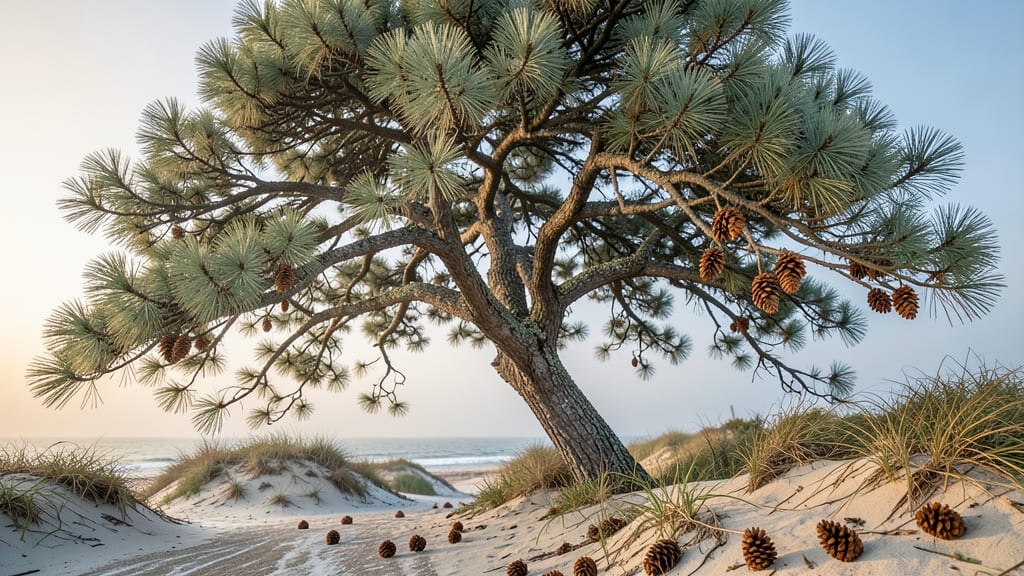
Pine cones are nature's masterpieces, each revealing the unique identity of its tree. Learn to identify these 10 iconic pine cone tree types by their distinctive shapes, sizes, and growth habits—plus expert tips to grow them from seed in your own yard.
Eastern White Pine Needles and Cones
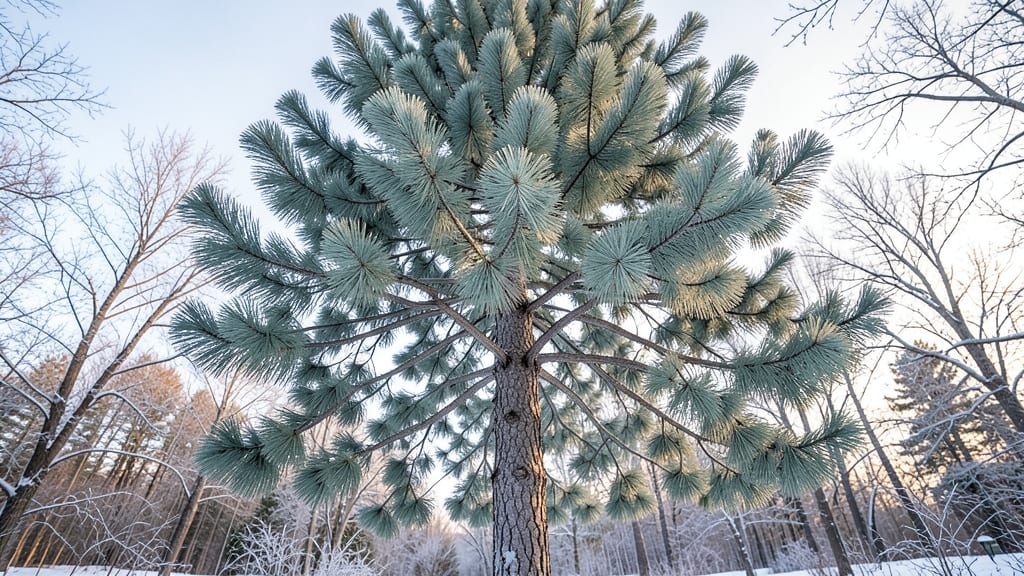
Want a tree that’s easy to grow, thrives in cold winters, and adds instant forest charm to your yard? The Eastern White Pine (Pinus strobus) delivers with its signature soft blue-green needles in bundles of five—long, flexible, and perfect for beginner gardeners.
This fast-growing pine reaches 60-80 feet tall but grows just 12-24 inches per year, making it manageable for most landscapes. Its large, symmetrical cones (up to 6 inches long) add texture and interest, while the tree’s tolerance for poor soil and urban conditions makes it a low-maintenance star. Plant it in full sun to partial shade for the best needle color and cone production.
Ideal for windbreaks, privacy screens, or as a specimen tree, the Eastern White Pine’s adaptability and striking form make it a favorite among gardeners in USDA zones 3-8. Its graceful branches and wildlife-friendly cones also attract birds and squirrels—nature’s bonus! 🌱
Ponderosa Pine Woodland Cones
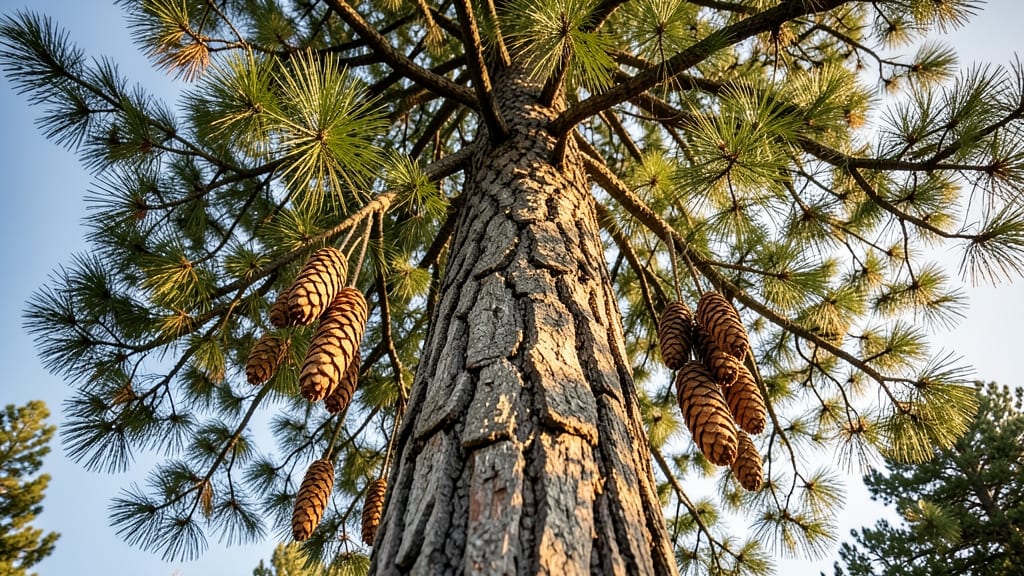
If you've ever spotted a towering tree with massive, knobby cones and thick, fragrant needles, you've likely encountered the Ponderosa Pine—a true giant of western forests. This species thrives in dry climates, making it a standout choice for large landscapes where water conservation is key.
The Ponderosa Pine produces cones that can reach up to 20 inches long, with a distinctive twisted, knobby shape that sets it apart from other pines. Its thick, dark green needles (3-5 inches long) release a pleasant aroma when crushed, adding a sensory dimension to your garden. This drought-tolerant tree grows best in full sun and well-drained soil, making it ideal for rocky or sandy landscapes.
Perfect for homeowners in arid regions or those seeking a low-maintenance, long-lived tree, the Ponderosa Pine adds grandeur and wildlife value to any property. 🌟
Scots Pine Forest Cones
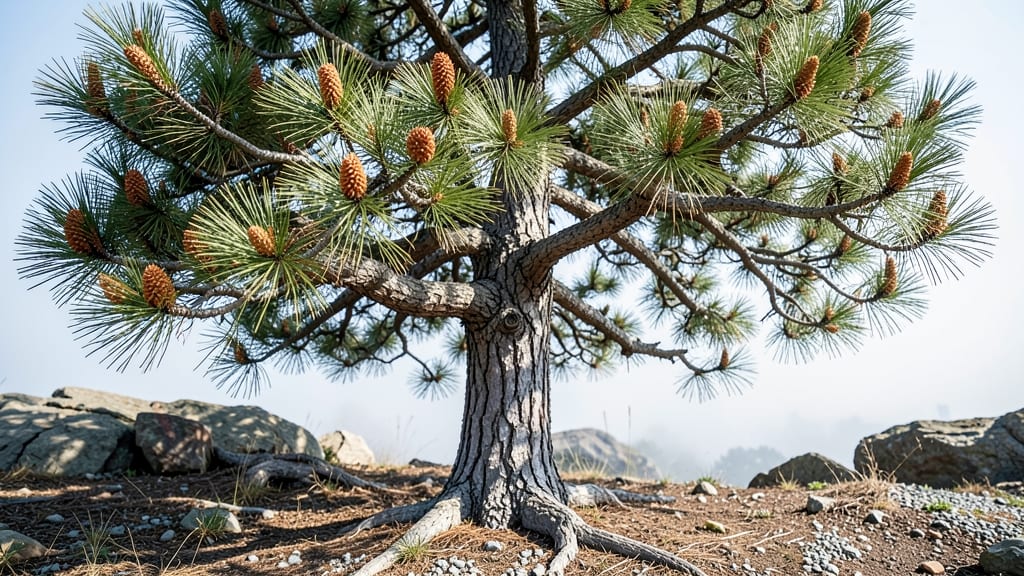
If you're looking for a pine that can handle urban smog, salty coastal breezes, or even rocky soil, the Scots Pine (Pinus sylvestris) is your champion. Its orange-brown cones with sharp, prickly scales and short, stiff needles stand out against other pines, making it instantly recognizable—and incredibly tough.
Native to Europe and Asia, this hardy evergreen thrives in USDA Zones 3-7, tolerating temperatures as low as -40°F. Plant it in full sun with well-draining soil, and it’ll reward you with year-round greenery and striking winter color. Its wind-resistant nature makes it perfect for exposed sites, while its slow growth (12-24 inches per year) means minimal pruning needs.
Urban gardeners and coastal homeowners will love how this pine adds textural contrast without demanding special care. Plus, its ornamental cones stay closed for years, adding winter interest. 💪
Lodgepole Pine Mountain Cones
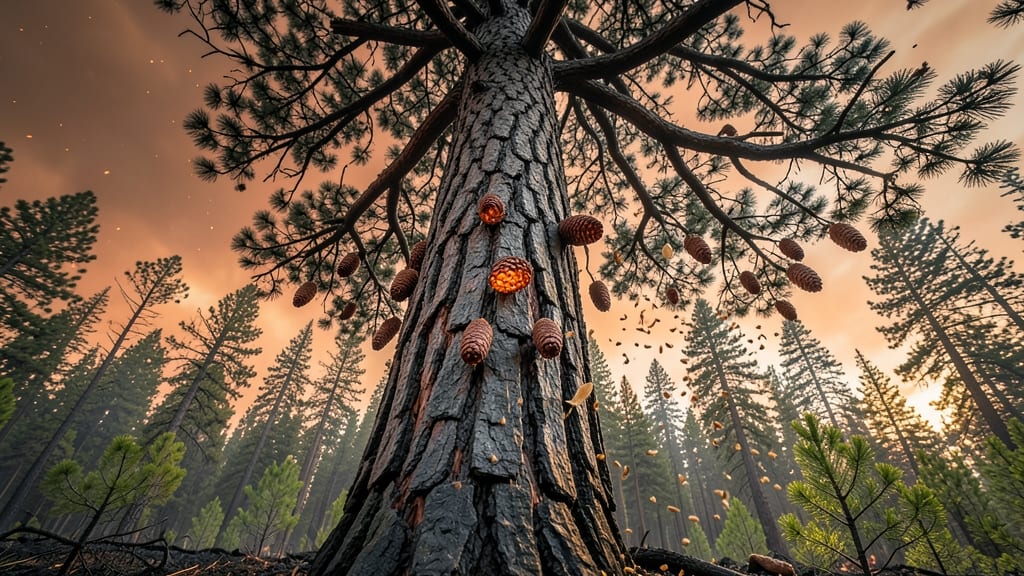
If you live in a wildfire-prone region and want a tree that thrives because of the challenges, the lodgepole pine is your secret weapon. Its serotinous cones stay tightly closed for years—until a fire heats them up, triggering a dramatic release of seeds to regenerate the forest. This unique adaptation makes it a resilient choice for mountain slopes and dry climates.
This low-maintenance evergreen grows best in full sun and well-drained soil, tolerating poor conditions that would stress other trees. Its slender, dark green needles (2-3 inches long) and long, pencil-shaped cones (3-6 inches) create a striking silhouette. While it’s native to western North America, it adapts well to high-altitude gardens and rocky soils, making it perfect for erosion-prone areas.
For gardeners who want a hardy, fire-resistant tree that requires minimal care, lodgepole pine delivers both beauty and survival skills. Plus, its cones add a wild, natural charm to any landscape. 🌱
Virginia Pine Southern Cones
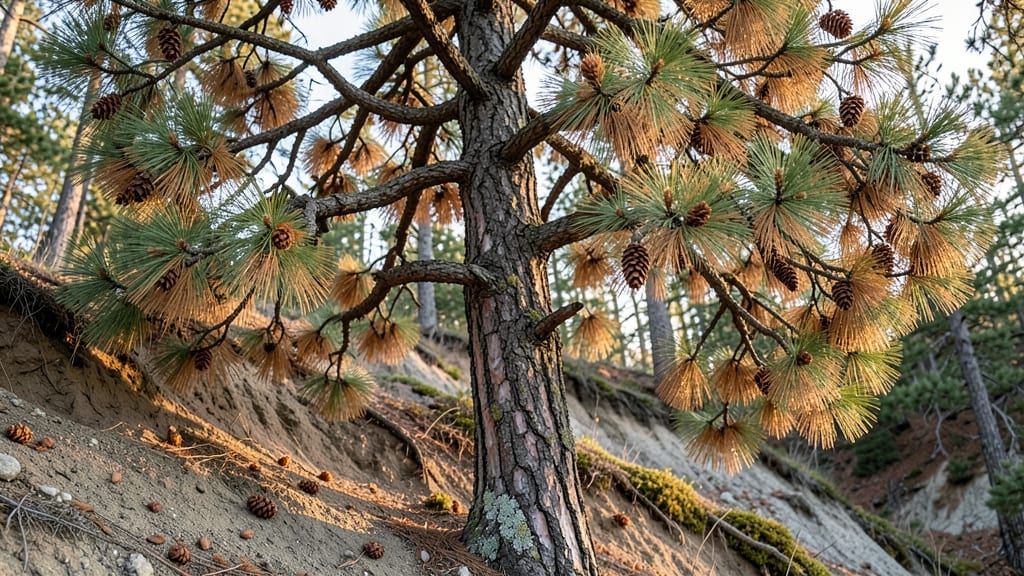
If you're looking for a pine that thrives where others fail, the Virginia pine (Pinus virginiana) delivers with its twisted, irregular cones and short, clustered needles. This underdog of the pine world is a powerhouse for erosion control and poor soils, making it a secret weapon for southeastern landscapes.
Identify it by its dark green, 2-3 inch needles in clusters of two and its small, twisted cones that often persist on branches for years. Unlike fussy pines, it tolerates sandy, rocky, or even acidic soils while requiring minimal care—just full sun and occasional watering once established. Its slow, dense growth habit makes it ideal for stabilizing slopes or creating natural windbreaks.
Perfect for landowners in the Southeast or anyone restoring degraded soil, this pine proves that beauty and resilience go hand in hand. 🌿
Jack Pine Northern Cones
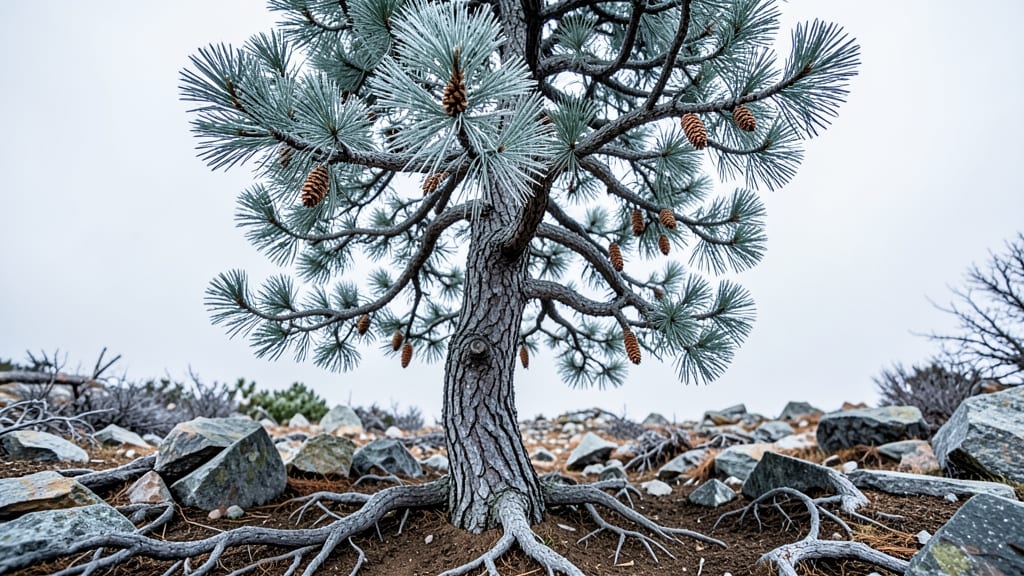
If you're gardening in Zone 3 or colder, the Jack Pine (Pinus banksiana) is your secret weapon for survival. Unlike many pines that struggle in extreme cold, this hardy species thrives in subzero temperatures and rocky, nutrient-poor soils where few other trees dare to grow.
Its serotinous cones—small, tightly closed, and covered in resin—only open after exposure to fire or intense heat, releasing seeds to regenerate burned landscapes. The short, stiff needles (2-3 inches long) grow in pairs, making them less prone to damage from snow and ice. Plant it in full sun for best results, and watch it become a low-maintenance staple for wildlife like grouse and squirrels.
Perfect for gardeners in the northern U.S. and Canada, this pine adds texture and resilience to rugged landscapes. 🌱
Red Pine Eastern Cones
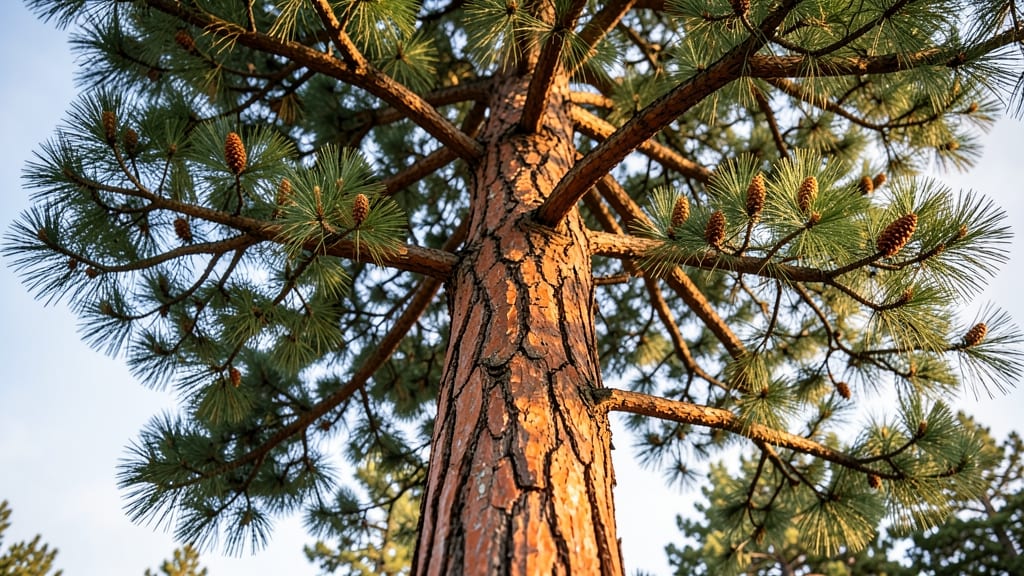
If you're dreaming of a stately, evergreen centerpiece for your landscape, the Red Pine (Pinus resinosa) delivers timeless elegance with its large, symmetrical cones and striking orange-brown bark. This tree isn’t just beautiful—it’s a workhorse for cooler climates, thriving where others falter.
Native to the Great Lakes region, Red Pines grow 30-50 feet tall with a straight, upright form that’s perfect for formal gardens or as a windbreak. Their 5-inch-long needles (in bundles of two) create a lush, green canopy year-round, while the 3-6 inch cones add architectural interest. Plant in full sun with well-drained soil—it tolerates poor conditions once established, making it ideal for urban or rural landscapes alike.
Landscape designers and homeowners in USDA Zones 3-5 love this tree for its low-maintenance nature and ability to outshine other evergreens. Its classic look elevates any property, from grand estates to suburban yards. 🌟
Pinyon Pine Desert Cones
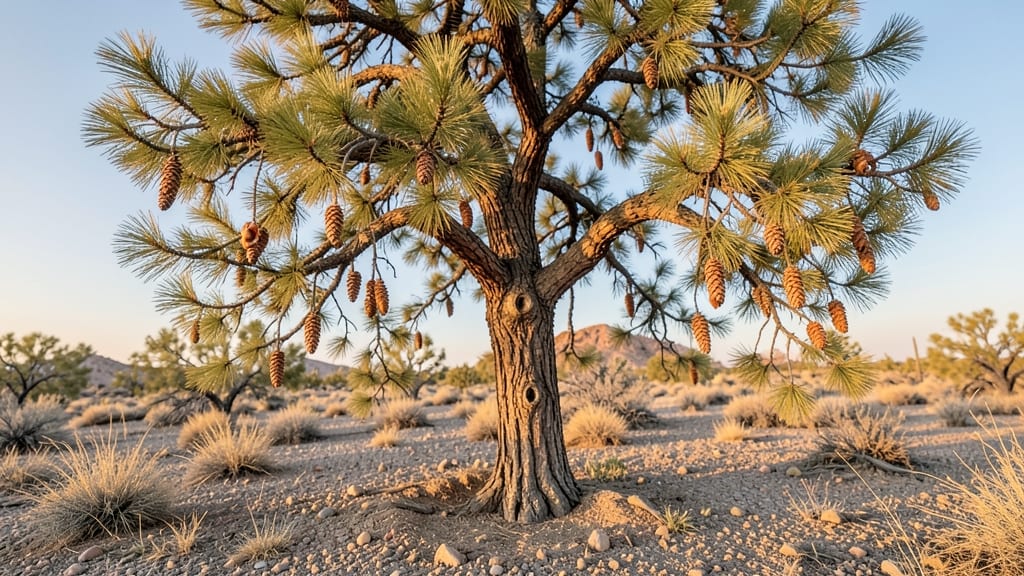
If you're looking for a pine tree that does double duty—providing both beauty and sustenance—the pinyon pine is your answer. This desert-dwelling species produces edible, nut-filled cones that have been a food source for Indigenous communities for centuries, while its small, clustered needles add texture to arid landscapes.
The drought-resistant pinyon pine thrives in USDA zones 5-9 with minimal water once established, making it ideal for water-wise gardens in the Southwest. Its cones take 18-24 months to mature, but once they do, they release seeds that birds and small mammals adore. For gardeners in desert climates, this tree offers both ecological benefits and a unique harvest opportunity.
Perfect for those who want a low-maintenance tree that supports local wildlife while adding character to dryland gardens. 🌻
Bristlecone Pine Ancient Cones
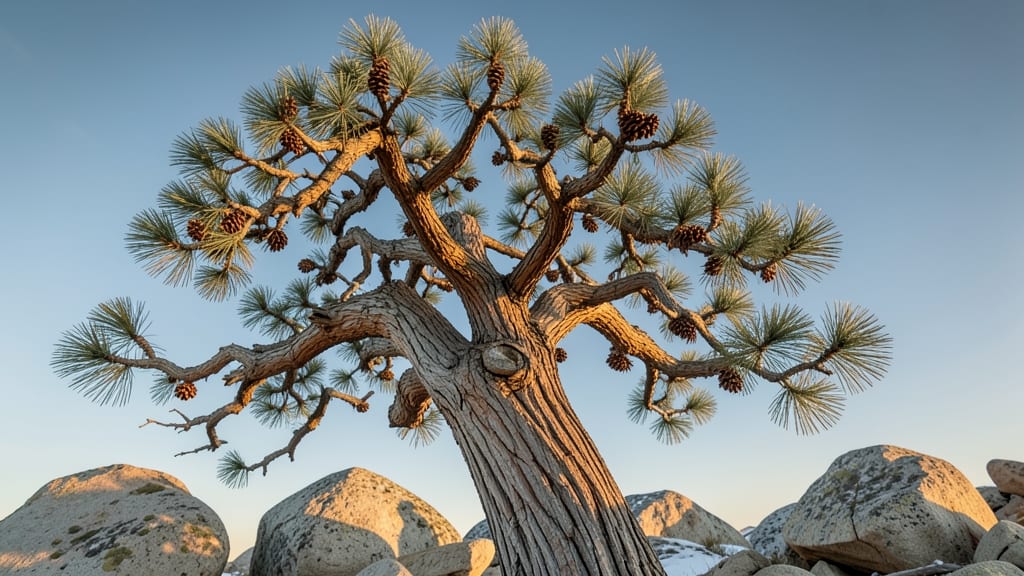
If you're drawn to trees that whisper stories of ancient landscapes, the bristlecone pine (Pinus longaeva) is your living relic. Its small, twisted cones and gnarled branches can live for thousands of years, making it the oldest non-clonal organism on Earth—some specimens exceed 5,000 years old!
Thriving in high-altitude, rocky soils (typically 8,000–11,000 feet), this pine tolerates drought, cold, and poor nutrition better than most. Its short, stiff needles (in bundles of five) and tight, woody cones (1–2 inches long) are classic identifiers. For collectors or alpine gardeners, start seeds in well-draining, sandy soil and keep them in full sun—patience is key, as cones may take 10–20 years to appear.
Perfect for xeric landscapes, rock gardens, or as a conversation piece, bristlecone pines reward you with timeless beauty and resilience. Plant one to grow a piece of history. ✨
Monterey Pine Coastal Cones

If you live near the coast and struggle with salty winds or sandy soil, the Monterey Pine (Pinus radiata) is your secret weapon. This iconic tree thrives where others fail, with its long, flexible needles and large, curved cones that add drama to seaside landscapes.
Native to California’s central coast, it tolerates salt spray, poor soil, and strong winds better than most pines. Plant it in full sun with well-draining soil—even sandy or rocky conditions—and expect rapid growth (up to 3 feet per year). Its cones, often 6-12 inches long, add texture and movement, while the silver-blue needles create a striking contrast against coastal greenery.
Perfect for homeowners in USDA zones 7-10, this tree also stabilizes dunes and provides shade. Coastal gardeners will love its resilience and beauty—it’s the ultimate survivor. 🌿