
Pruning
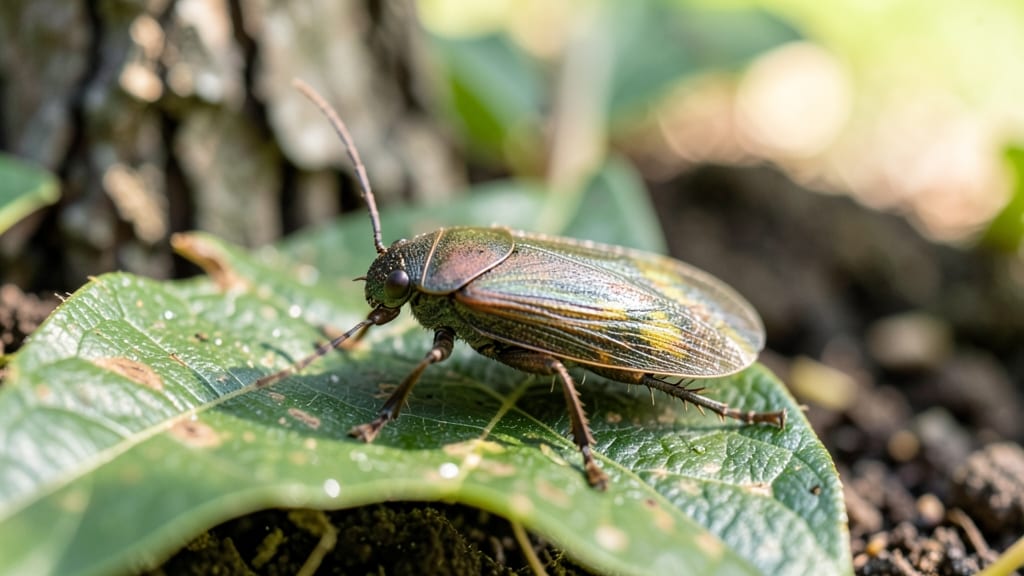
Pecan tree bugs can turn your harvest from golden promise to bitter disappointment—unless you act fast. 🌱 I’ve watched entire crops ruined by tiny invaders like casebearers and weevils, but the right defense keeps your trees thriving.
This isn’t about harsh chemicals; it’s about smart, natural protection that works for home gardeners and commercial growers alike.
The damage starts small—tiny holes in nuts, sticky sap on branches, or leaves curling like they’re hiding from something. Those are the warning signs that bugs like aphids or nut casebearers have moved in.
The good news? Most pests have predictable life cycles, so monitoring and early action can save your harvest before the problem spirals out of control.
With the right mix of pruning, beneficial insects, and targeted sprays (organic or chemical), you’ll see healthier trees and fuller harvests by next season. We’re talking fewer empty shells, fewer chewed nuts, and trees that bounce back stronger every year.
Whether you’re dealing with a single tree or a grove, these strategies adapt to your scale—no guesswork, just results. Let’s get your pecans back on track.
Root Causes of Tree Invaders
Understanding why pests target your pecan trees is the first step to stopping them. These tiny troublemakers don’t just show up for fun—they’re drawn by specific conditions that make your trees look like an all-you-can-eat buffet.
Let’s break down the science behind their behavior and what’s really inviting them to the party.
Pecan trees are powerhouses of nutrition, especially during their growth phases. When trees are stressed from poor soil health, over-fertilization, or nutrient deficiencies, they produce softer, more sugary leaves—like a neon "Eat Me" sign for bugs. Here’s how it works:
- Nitrogen overload: Too much nitrogen (common in synthetic fertilizers) makes leaves tender and packed with sugars, attracting sap-sucking insects like aphids, scale, and spider mites.
These pests thrive on the easy meal. - Deficiency triggers: Conversely, low potassium or phosphorus weakens the tree’s natural defenses, making it easier for pests to latch on.
Think of it like a human with a weak immune system—invaders move in fast. - Young, tender growth: New shoots and leaves are the most vulnerable. Hornworms and pecan nut casebearers specifically target fresh foliage because it’s less tough and packed with nutrients.
Actionable fix: Test your soil every 2–3 years and adjust fertilizers to balance nitrogen, phosphorus, and potassium (aim for a ratio like 10-10-10 or 8-3-9). Organic options like composted manure or bone meal provide slow-release nutrients without overfeeding.
Pecan trees (and their pests) have a love-hate relationship with the weather. Certain conditions create perfect breeding grounds for bugs, while others push them into overdrive. Here’s the breakdown:
| Weather Factor | How It Attracts Bugs | Peak Risk Period |
|---|---|---|
| Hot, dry spells | Drought-stressed trees produce sticky sap (a magnet for aphids and mealybugs). | Late summer to early fall |
| High humidity | Moisture-loving pests like scale insects and pecan weevils thrive in damp conditions. | Spring and early summer |
| Sudden temperature swings | Fluctuations confuse tree defenses, making them more susceptible to infestations. | Early spring or late fall |
| Warm winters | Mild winters allow overwintering pests (like hickory shuckworms) to survive and multiply. | Year-round in warm climates |
Pro tip: 🌡️ Monitor your local degree-day accumulations (a tool used to predict pest outbreaks). Many extension services provide alerts for pecan-specific pests based on temperature trends.
A healthy pecan tree isn’t just about looks—it’s about resilience. When trees are physically damaged, diseased, or improperly pruned, they become easy targets. Here’s why:
- Open wounds: Pruning cuts, storm damage, or hail scars create entry points for borers (like the pecan weevil or shothole borer).
These pests lay eggs in cracks, and their larvae tunnel into the wood. - Fungal infections: Diseases like anthracnose or pecan scab weaken the tree’s structure, making it easier for sap-sucking insects to drain its energy. - Overcrowded branches: Dense foliage traps moisture and debris, creating a cozy home for scale insects and mites.
Poor airflow also slows down the tree’s ability to recover from minor infestations.
Actionable fix: 🪓 Prune in late winter or early spring (before pests wake up) to remove dead wood and improve airflow. Use clean, sharp tools and seal larger wounds with pruning sealant to deter borers.
Pecan trees aren’t just food sources—they’re part of a delicate ecosystem. When natural predators (like ladybugs, lacewings, or parasitic wasps) are missing, pest populations explode. Here’s what throws the balance off:
- Pesticide overuse: Broad-spectrum insecticides kill beneficial insects along with pests, leaving your tree defenseless.
For example, neonicotinoids can wipe out pollinators and predator species in one swipe. - Monoculture farming: Planting only pecan trees (without diversity) starves out predator populations that rely on a variety of plants. - Urbanization: As wild habitats shrink, native predator species (like birds and ground beetles) have fewer places to live, reducing their ability to control pests.
Eco-friendly fix: 🌿 Introduce pollinator-friendly plants (like clover or wildflowers) near your pecan grove to attract ladybugs, predatory mites, and parasitic wasps. These natural allies will hunt pests before they become a problem.
Once your pecan tree starts producing nuts, it’s game over for fruit-eating pests. These critters have a knack for timing their life cycles to coincide with harvest season. The biggest offenders:
- Pecan weevils: Females drill into developing nuts to lay eggs. Their larvae then feed inside, ruining the kernel. They’re most active when nuts are half-grown (late summer). - Hickory shuckworms: These caterpillars chew through shucks to reach the nut meat.
They’re drawn to ripe, soft shucks (late summer to early fall). - Stink bugs: They pierce nuts to suck out fluids, causing catface (a dimpled, deformed nut).
Preventative tip: ✨ Shake trees regularly during peak pest seasons to dislodge eggs and larvae before they hatch. Use a drop cloth to collect fallen nuts and destroy them (don’t compost them!).
Pests don’t just vanish after one season—they hang around in debris, fallen leaves, and old nut shells. If you don’t clean up, you’re basically rolling out the welcome mat for next year’s infestation.
- Mulch piles: Thick mulch or leaf litter provides hiding spots for overwintering pests (like scale insects or borer larvae).
- Fallen nuts: Infested nuts left on the ground hatch new generations of weevils and worms.
- Old tree wounds: Untreated pruning cuts or hollow branches become nurseries for borers.
Cleanup checklist:
- 🧹 Rake up all fallen leaves and debris in late fall/winter.
- 🔥 Burn or bag (do not compost) infested nuts and pruned wood.
- 🪓 Inspect trees for mummified nuts (a sign of weevil activity) and remove them.
Beat Back Tree Pests Naturally
Pests in your pecan trees don’t have to mean the end of a bountiful harvest. With the right approach, you can protect your trees while keeping your garden—and the planet—healthy. Below are targeted solutions for common pecan tree bugs, paired with prevention tips to keep them from returning.
If you spot sticky residue (aphid honeydew) or small, armored bumps (scale), these pests are likely sucking the life out of your tree’s leaves and branches.
How to Fix It:
- 🧼 Homemade Insecticidal Soap Spray Mix 1 tablespoon of mild liquid soap (like Castile soap) with 1 quart of water in a spray bottle. Lightly coat infested areas—especially undersides of leaves—on a calm day to avoid drift. Reapply every 3–5 days until pests disappear.
- 🌿 Neem Oil or Horticultural Oil Treatment Combine 1–2 tablespoons of neem oil (or horticultural oil) with 1 teaspoon of dish soap and 1 quart of water. Spray thoroughly, focusing on buds, stems, and leaf undersides. Best applied in early morning or late evening to avoid harming bees.
- 🐝 Encourage Natural Predators Ladybugs, lacewings, and parasitic wasps love aphids. Plant dill, fennel, or marigolds nearby to attract them.
Prevention Tips:
- 🌱 Prune regularly to improve airflow and reduce hiding spots.
- 💦 Water deeply but less often—stressed trees attract more pests.
- 🕰️ Time it right: Apply oil sprays before bud break in spring to prevent scale infestations.
Tiny red or yellow mites on the leaf undersides? Spider mites thrive in dry conditions and can cause stippling (tiny white dots) on foliage.
How to Fix It:
- 💦 Blast Them Off Use a strong hose spray to knock mites off leaves. Do this every 2–3 days for a week—mites hate humidity!
- 🍋 Citrus or Garlic Spray Blend 1 cup of citrus peels (or 2 garlic cloves) with 1 quart of water. Strain, add 1 teaspoon of soap, and spray directly on mites. Reapply weekly.
- 🕷️ Release Predatory Mites Purchase Phytoseiulus persimilis (a beneficial mite) from garden centers and release them among infested trees.
Prevention Tips:
- 🌧️ Mulch heavily to retain soil moisture.
- 🌿 Avoid over-fertilizing—too much nitrogen attracts mites.
- 🔍 Check weekly under leaves for early signs.
These beetles burrow into nuts, causing premature drop and reducing yield. Look for small holes in pecans or sawdust-like frass near the tree.
How to Fix It:
- 🎣 Pheromone Traps Hang pecan weevil traps (available at garden stores) in late spring to early summer. Check and empty traps weekly to avoid attracting more.
- 🧹 Hand-Pick & Destroy Collect fallen nuts and weevil-infested pecans daily. Drop them in a bucket of soapy water to drown adults.
- 🌿 Barrier Sprays (Last Resort) If infestations are severe, use kaolin clay (like Surround WP) as a physical barrier. Apply every 7–10 days during peak weevil activity.
Prevention Tips:
- 🍂 Clean Up Debris: Remove all fallen nuts and hulls after harvest.
- 🌱 Plant Trap Crops: Grow sweetgum or hickory trees nearby to lure weevils away.
- 🕰️ Time Harvests: Pick pecans early (before weevils mature) if possible.
These tiny white bugs flutter when disturbed and cluster on leaf undersides, weakening trees with their sap-sucking habits.
How to Fix It:
- 🟡 Yellow Sticky Traps Hang yellow sticky cards near the tree to catch adults. Replace every 2 weeks.
- 🌈 Reflective Mulch or Aluminum Foil Wrap foil strips around the trunk or lay reflective mulch around the base. The glare disorients whiteflies.
- 🌿 Beneficial Nematodes Apply Steinernema feltiae nematodes to the soil—they seek out and kill whitefly larvae.
Prevention Tips:
- 💧 Avoid Overwatering: Whiteflies love damp, warm conditions.
- 🌿 Rotate Plants: Avoid planting near other susceptible trees (like citrus).
- 🕯️ Use Row Covers: Lightweight fabric can block adults from laying eggs.
💡 Pro Tip: Always test sprays on a small branch first to ensure they don’t harm your tree. And remember—consistency is key! Pests often return if treatments are sporadic.
By combining these natural, low-toxicity methods, you’ll keep your pecan trees thriving without harsh chemicals. Happy harvesting! 🌳🥜
Frequently asked questions
What are the most destructive bugs for pecan trees?
The top culprits are pecan nut casebearers, weevils, and aphids. These pests cause the most damage by either burrowing into nuts (weevils), wrapping leaves (casebearers), or draining sap (aphids). Early identification is key—look for holes in nuts, curled leaves, or sticky residue on branches.
How do I know if my pecan tree has a pest problem?
Watch for these warning signs: tiny holes in nuts (weevils), rolled or wrapped leaves (casebearers), sticky sap (aphids), or yellowing leaves (spider mites). Shake branches over a drop cloth—fallen insects or frass (sawdust-like debris) confirms an infestation.
Are chemical pesticides safe for pecan trees?
Chemicals like carbaryl or malathion can work but may harm beneficial insects and pollinators. For organic growers, neem oil or kaolin clay are safer alternatives. Always follow label instructions and apply early in the day to protect bees.
When is the best time to treat pecan tree bugs?
Timing matters! Treat aphids and scale in early spring (before buds break), weevils in late spring to early summer, and casebearers in late summer. Monitor trees weekly—early action prevents outbreaks from spiraling out of control.
Can I save my pecans if weevils are already inside?
If weevils have already infested nuts, those pecans are lost—but you can still salvage the harvest. Pick nuts early (before weevils mature) and store them in an airtight container in the freezer. Check for holes before eating—discard any damaged nuts to prevent future infestations.