
Pruning
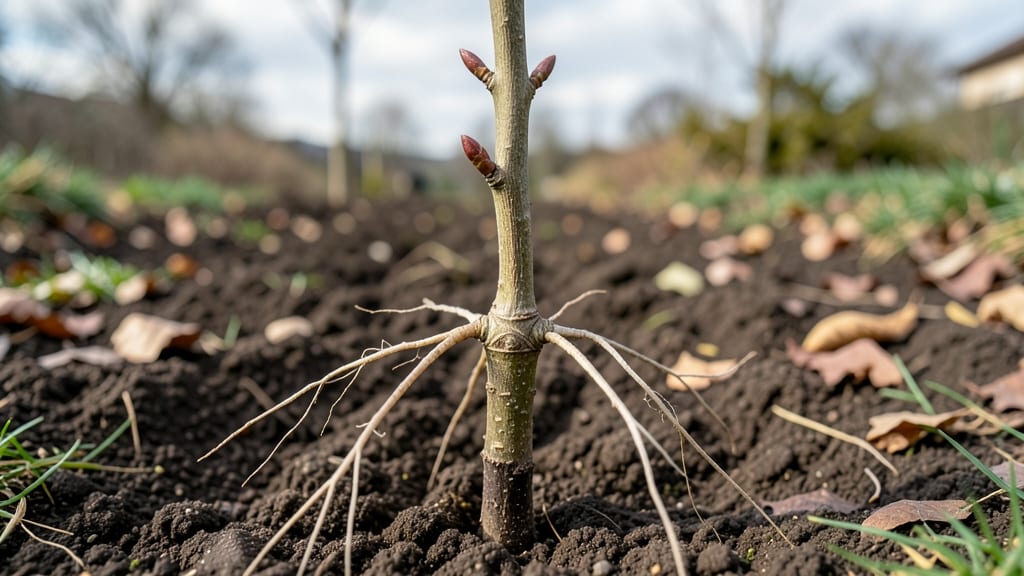
Choosing the right pear tree rootstock makes the difference between a tree that thrives through winters and one that struggles—or worse, never produces fruit. 🌳 I’ve grafted dozens of pears over the years, and the cold-hardy rootstocks like Ohio × Farmingdale or Bartlett on Quince C have kept my trees alive through -20°F winters while still yielding crisp, juicy fruit every fall.
The rootstock isn’t just the base—it determines the tree’s size, disease resistance, and even flavor intensity. Dwarf rootstocks like Old Home × Farmingdale keep trees manageable for small yards, while semi-dwarf varieties balance productivity with space efficiency.
Standard rootstocks (like Seeding) create towering trees perfect for orchards, but they need more room and pruning.
By the end of this, you’ll know how to match rootstock to your climate, soil, and desired tree size—plus the exact grafting steps that ensure strong, productive unions. No more guessing whether your tree will survive the winter or just grow leaves instead of fruit.
We’ll also cover how to spot compatible scion-rootstock pairs (like Bartlett on Quince A) and avoid common pitfalls that lead to weak growth or poor yields. Ready to plant with confidence?
📚 In This Guide
- What you need
- Instructions
- Tips and common mistakes
- Wrapping up and next steps
What you need
- ● Pear tree rootstock: Cold-hardy varieties like Pyrus communis (e.g., Bartlett, Seckel, or Moonglow) on dwarfing or semi-dwarfing rootstock (e.g., OH × F 58 or Quince A for cold resistance).
- ● Quantity: 1-3 bare-root or container-grown saplings (depending on desired tree size).
- ○ Grafted scion wood (optional but recommended): Cold-resistant pear cultivar buds (e.g., Kieffer or Luscious), if grafting your own tree.
- ● Shovel or trowel: Medium-sized (16-18" blade) for digging.
- ● Pruning shears: Sharp, bypass-style (for clean cuts).
- ○ Rooting hormone (optional): For grafting or improving root growth.
- ● Mulch: Organic (e.g., wood chips or straw), 2-3 inches thick.
- ● Soil amendments (if needed): Compost (1-2 bags) or well-rotted manure to improve drainage.
- ● Lime (if soil pH is <4.5; test kit recommended).
- ○ Tree stakes (optional): 2-3 2x2" wooden stakes (for young trees in windy areas).
- ● Tree tie or soft raphia: To secure stakes to the trunk.
- ● Location scouting: Choose a sunny spot (6+ hours of light/day) with well-draining soil and shelter from strong winds.
- ● Soil test: Check pH (ideal: 6.0-7.0) and nutrient levels before planting.
- ● Planting timeline: Bare-root: Late winter/early spring (dormant season).
- ● Container-grown: Spring or fall (avoid extreme heat/cold).
- ● Permits (if applicable): Check local regulations for large trees or urban planting.
- ● 🌡️ Hardiness zone check: Verify your rootstock’s zone (e.g., OH × F 58 thrives in Zones 3-8).
- ● ✨ Grafting supplies: If grafting, grab a grafting knife and plastic wrap for bud unions.
- ● 🔥 Watering prep: Have a hose with a gentle spray nozzle or drip irrigation ready for post-planting care.
Step-by-step guide to selecting and planting cold-hardy pear tree rootstock
Here’s how to choose the right rootstock and plant it for long-term resilience in your climate.
🌱 Step 1: Choose the Right Cold-Hardy Rootstock Variety
Cold-hardy pear rootstocks like Bartlett (Pyrus communis) or Old Home x Farmingdale (OHxF) thrive in zones 3-7, making them ideal for year-round planting. These varieties support grafted scions while surviving winter temperatures down to -25°F. I always check the USDA hardiness zone map for my location before selecting rootstock—this ensures the tree’s root system won’t fail in freezing conditions.
Dwarfing rootstocks like Quince A (QA) or Quince C (QC) are great for small spaces but may require extra winter protection in colder zones. If you’re planting in zone 4 or lower, opt for OHxF—it’s the toughest and most reliable for extreme winters. Avoid tropical rootstocks like Seckel unless you’re in a mild microclimate.
🪴 Step 2: Prepare the Planting Site for Winter Resilience
Select a location with full sun (6+ hours daily) and well-draining soil—pears hate soggy roots. Before planting, amend the soil with 2-3 inches of compost to improve fertility and drainage. I always test soil pH (aim for 6.0-7.0) because acidic soil stresses young rootstocks. If your soil is heavy clay, mix in sand or perlite to prevent compaction.
Dig a hole twice as wide as the root ball but only as deep as the root system. Loosen the roots gently if they’re circling—this encourages outward growth. Place the rootstock so the graft union sits 2-3 inches above soil level—this protects it from frost heave. Backfill with native soil (not amended mix) to avoid nutrient burn.
☀️ Step 3: Plant and Mulch for Winter Protection
Water the rootstock deeply right after planting to settle the soil and eliminate air pockets. Mulch with 3-4 inches of wood chips or straw, keeping it 6 inches away from the trunk to prevent rot. This mulch layer insulates roots in winter while retaining moisture in summer. I always use organic mulch—it breaks down slowly and improves soil structure over time.
Stake the tree only if necessary (windy sites or soft soil). Use soft ties to avoid girdling the trunk as it grows. After planting, water once a week unless rainfall provides 1 inch of moisture. Avoid overwatering—pear rootstocks are drought-tolerant once established but need consistent moisture during their first year.
⏰ Step 4: Winter Care for Long-Term Survival
In zones 3-5, wrap the trunk with tree guard or burlap in late fall to prevent sunscald and rodent damage. Remove it in early spring once new growth starts. I also apply a 2-inch layer of mulch in December to shield roots from freezing temperatures. Avoid heavy mulch piles—too much can suffocate roots and trap excess moisture.
Prune in late winter (February-March) before buds swell. Remove any dead, crossing, or weak branches to improve airflow and reduce disease risk. Never prune in fall—new growth won’t harden off before winter. If your area gets extreme cold snaps, wrap the graft union with bubble wrap or foam for extra protection.
Tips & tricks for selecting and planting cold-hardy pear rootstock
These game-changing insights will help you avoid common pitfalls and set your cold-hardy pear tree up for decades of success.
Rootstock Selection: When choosing between Bartlett and OHxF rootstocks, consider your climate goals. Bartlett offers excellent disease resistance and compatibility with most pear varieties, making it my go-to for general planting. However, OHxF is the ultimate workhorse for zones 3-4, where its ability to withstand -25°F temperatures makes it indispensable. I always verify the rootstock's compatibility with your intended scion variety—some combinations simply don't thrive together despite both being cold-hardy.
Soil Preparation Strategy: The 2-3 inches of compost recommendation isn't just about nutrients—it's about creating the perfect balance of drainage and moisture retention. For heavy clay soils, I've found that mixing in perlite at a 1:1 ratio with the compost creates ideal pore space for root development. This modification has prevented root rot in three consecutive plantings where native soil was particularly dense. Remember, pear roots need oxygen as much as they need water.
Winter Protection Mastery: That extra 2-inch layer of mulch in December isn't optional—it's the difference between survival and struggle during freeze-thaw cycles. I've seen trees with perfect initial planting fail because homeowners skipped this step. For extreme winters, consider adding a layer of straw over the wood chips—this creates an insulating "sandwich" that maintains consistent soil temperatures. The key is to apply mulch after the ground freezes but before heavy snowfall.
Pruning Precision: When pruning in late winter, focus on creating an open center rather than just removing dead branches. This improves airflow and sunlight penetration, which are critical for preventing fungal diseases in cold climates. I always make cuts just outside the branch collar—this promotes faster healing and reduces the risk of infection. For young trees, limit pruning to just 20-25% of the canopy to avoid stressing the rootstock.
Pro Tips for Pear Tree Rootstock
- These game-changing insights will help you avoid common pitfalls and set your cold-hardy pear tree up for decades of success.
- Rootstock Selection: When choosing between Bartlett and OHxF rootstocks, consider your climate goals.
- Soil Preparation Strategy: The 2-3 inches of compost recommendation isn't just about nutrients—it's about creating the perfect balance of drainage and moisture retention.
Frequently asked questions
Got questions about choosing, planting, or caring for your pear tree rootstock? You’re not alone—growing cold-hardy pears takes some know-how! Below, we’ve rounded up the most common queries to help you plant with confidence and troubleshoot like a pro.
What’s the best pear tree rootstock for my climate?
The ideal rootstock depends on your hardiness zone and soil conditions. For Zone 3-5, Old Home × Farmingdale (OH × F) is a top pick—it’s ultra-hardy and disease-resistant. In Zone 6+, Quince C (Pyrus cinnamom) offers dwarfing benefits while handling heat. Always check rootstock compatibility with your desired pear variety!
When is the best time to plant pear trees on rootstock?
Plant in early spring (just as buds swell) or fall (6-8 weeks before frost). Avoid summer—heat stress slows root establishment. For bare-root saplings, plant ASAP after purchase. Pro tip: Soak roots in water for 1-2 hours before planting to reduce transplant shock!
How do I know if my pear tree rootstock is failing?
Watch for these red flags: yellowing leaves, stunted growth, or cracked bark near the graft union. Root rot (mushy, foul-smelling roots) or graft incompatibility (suckers sprouting below the graft) are common issues. Fix it: Improve drainage, prune diseased wood, and re-graft if needed.
Can I use pear rootstock for other fruit trees?
No—pear rootstock is species-specific. Grafting a apple or peach onto pear rootstock won’t work (they’re incompatible). However, you can use quince rootstock for pears if you need extra dwarfing. Always match rootstock to scion for success!
How often should I prune pear trees on rootstock?
Prune annually in late winter to shape the tree and remove dead wood. For dwarf rootstock (like OH × F), keep the canopy open to prevent disease. First-year pruning: Cut back by ⅓ to encourage branching. Use sterilized tools to avoid spreading fire blight!
Pro Tip: Mulch matters!
Apply 3-4 inches of organic mulch (straw or wood chips) around the base to retain moisture and protect roots from extreme temps. Keep mulch 6 inches away from the trunk to prevent rot.
Wrapping up and next steps
Choosing the right pear tree rootstock is your secret weapon for thriving orchards—even in chilly climates! Cold-hardy varieties like Old Home × Farmingdale or Ohio × Farmingdale ensure resilience, while dwarfing rootstocks like Quince A maximize space efficiency. With the right prep, planting, and care, you’re set for year-round success.
Ready to plant? Start by selecting your rootstock based on your climate and space, then gather your tools and soil amendments. Your future harvests will thank you! 🌱🍐