
Pruning
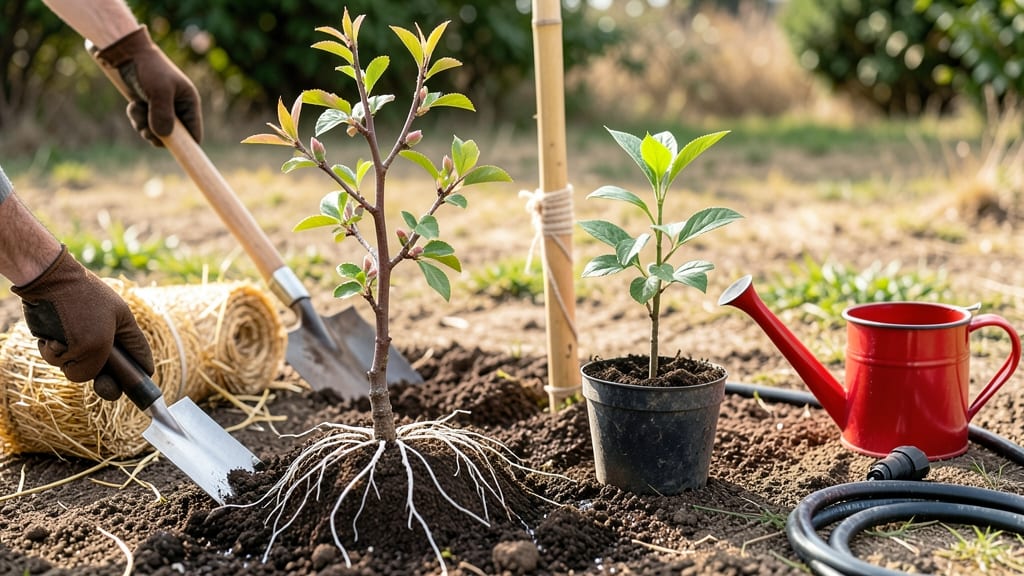
Mastering peach tree planting tips means summer afternoons spent picking ripe fruit straight from the branch—if you nail the soil and sunlight from day one. 🌞 I learned the hard way that peaches need more than just good intentions: they demand well-draining soil, full sun, and the right timing to establish roots before winter hits.
My first tree nearly died because I planted it too late in the season, but now I’ve got a thriving orchard that produces fruit so sweet it makes neighbors ask for cuttings.
The secret starts with soil that drains like a dream—peaches hate soggy feet. Mix in compost or aged manure to give your tree a nutrient boost, and avoid heavy clay unless you’re willing to amend it heavily.
Plant in early spring, when the ground is workable but frost isn’t lurking, and space trees 15-20 feet apart so they don’t crowd each other. Water deeply right after planting, then mulch to keep moisture locked in while roots spread.
By summer’s end, you’ll see new growth shooting up like a promise kept. The first year is all about patience—your tree won’t bear fruit yet, but it’s building the roots and branches that will support hundreds of peaches in just a few seasons.
Prune suckers and dead wood early to encourage strong structure, and watch as your tree transforms from a sapling into a productive powerhouse.
This works for home gardeners in zones 5-9, though southern climates need shade cloth to protect young trees from scorching sun. Varieties like ‘Elberta’ or ‘Redhaven’ are foolproof for beginners, while ‘Contender’ handles heat and humidity like a champ.
Stick with these basics, and you’ll be canning peaches by next summer instead of dreaming about them.
📚 In This Guide
- What you need
- Instructions
- Tips and common mistakes
- Wrapping up and next steps
What you need
- ● Peach tree sapling: Choose a dwarf, semi-dwarf, or standard variety (depending on space) from a reputable nursery. Look for 1- to 2-year-old bare-root or container-grown trees in early spring or late fall.
- ● Shovel or trowel: A garden shovel (for digging) and a hand trowel (for precision planting).
- ● Garden fork or spade: For loosening soil, especially in compacted areas.
- ● Compost or well-aged manure: 5–10 gallons to enrich the planting hole.
- ● Organic mulch (e.g., straw, wood chips): 2–3 inches to retain moisture and suppress weeds.
- ● Pruning shears: Bypass-type shears (sterilized with rubbing alcohol) for trimming dead or damaged branches.
- ○ Tree stake (optional but recommended): A 4–6 ft wooden or metal stake + soft tree tie to support young trees in windy areas.
- ● Watering can or hose with a gentle spray nozzle: For post-planting hydration.
- ● Fertilizer (balanced or citrus-specific): 10-10-10 or 6-6-6 NPK ratio (follow package instructions).
- ● Sunlight: Ensure your planting spot gets at least 6–8 hours of full sun daily—peaches are sun-worshippers! 🌞
- ● Well-draining soil: Test your soil’s pH (ideal range: 6.0–6.5). Amend clay or sandy soil with compost.
- ● Spacious planting area: Space trees 15–25 ft apart (dwarf varieties can be closer) to allow airflow and future growth.
- ● Frost-free zone: Plant in USDA Hardiness Zones 5–9 (check your local climate guidelines).
- ● Root stimulator: A mycorrhizal fungus powder to boost root growth.
- ● Drip irrigation system: For consistent watering, especially in hot climates.
- ● Tree guard or cage: To protect young trees from pests like rabbits or deer.
- ● Soil moisture meter: To monitor hydration levels during dry spells.
Step-by-Step peach tree planting: sunlight and soil secrets
Here’s how I plant peach trees for maximum fruit production—no guesswork, just proven techniques.
☀️ Step 1: Pick the Perfect Spot with Full Sun
Peaches thrive in 6-8 hours of direct sunlight daily, so choose a location that gets morning sun and afternoon shade if your climate is hot. I always test the spot by observing how much sun it gets over a week—peach trees won’t tolerate shade or partial sun.
Check the soil drainage by digging a small hole and filling it with water. If it drains within 30 minutes, the spot is ideal. Slow drainage leads to root rot, and peach trees hate soggy feet. Avoid low areas where water pools after rain.
🪴 Step 2: Dig the Hole Twice as Wide as the Root Ball
Loosen the soil 12-18 inches deep and spread the hole’s diameter to twice the width of the root ball. This encourages roots to grow outward instead of circling. I mix the excavated soil with 2-3 inches of compost to improve fertility—peaches are heavy feeders.
Place the tree in the hole so the graft union (the bump near the base) sits 2-3 inches above soil level. This prevents water from pooling around the graft, which can cause rot. Tap the soil gently to settle it around the roots, then water deeply to eliminate air pockets.
🌱 Step 3: Mulch and Water for Strong Root Establishment
Spread 2-3 inches of organic mulch (like wood chips or straw) around the base, keeping it 6 inches away from the trunk to prevent rot. Mulch locks in moisture and regulates soil temperature—critical for young peach trees in hot summers.
Water immediately after planting, then every 2-3 days until the soil is 6-8 inches deep and damp. Overwatering is worse than underwatering—peach trees need consistent moisture, not soggy soil. You’ll know it’s right when the top inch feels dry to the touch.
✂️ Step 4: Prune for Airflow and Future Fruit
Remove any broken or crossing branches with clean cuts just above a bud. I prune to an open-center shape to maximize sunlight penetration—this reduces disease risk and encourages more fruit. Leave 3-4 main scaffold branches if possible, spaced evenly around the trunk.
Avoid heavy pruning in the first year. Focus on shaping and removing only what’s necessary. Peach trees grow fast, and aggressive pruning now can stress the tree and delay fruiting. Watch for new growth—it should be vibrant and upright, not leggy or weak.
🌿 Step 5: Monitor for Pests and Fertilize Lightly
Inspect leaves weekly for signs of aphids or peach tree borers. I spray neem oil early in the season as a preventative—peach trees are susceptible to pests, especially in dry climates. Healthy trees with strong root systems fend off problems better than stressed ones.
Apply a balanced 10-10-10 fertilizer in early spring and again after harvest, following package rates. Too much nitrogen leads to leafy growth at the expense of fruit. You’ll see the difference in fruit set within a year—more blossoms mean more peaches!
Tips & tricks for perfect peach tree planting
These little details make all the difference between a struggling peach tree and one loaded with fruit year after year.
Sunlight Strategy: If your yard gets intense afternoon sun, consider planting near a fence or wall that can provide gentle afternoon shade during peak heat. I’ve seen peach trees in hot climates thrive with morning sun and afternoon shade—it’s like giving them a natural air conditioner. The 6-8 hours of sunlight should be spread throughout the day, not all concentrated in the morning.
Soil Test Secret: Before planting, grab a handful of your native soil and squeeze it—if it forms a tight ball that doesn’t crumble easily, you’ve got clay soil that needs amendment. Mix in 50% compost with your native soil when backfilling the hole. This improves drainage while keeping moisture retention perfect for peach roots. I’ve seen trees planted in unamended clay soil struggle with root rot within just two seasons.
Watering Wisdom: The 2-3 day watering schedule works best when you water deeply each time—aim for 1-2 gallons per watering for young trees. Use a moisture meter or stick your finger 6-8 inches down to check moisture levels. Early morning watering prevents fungal issues, and avoid wetting the leaves to reduce disease risk. Peach trees actually prefer slightly drier conditions than many fruit trees.
Pruning Insight: In Step 4, when you’re shaping your tree, look for branches growing inward or rubbing against others—these are prime candidates for removal. I like to make my cuts just above an outward-facing bud to encourage healthy growth. Remember, you’re creating a vase-like shape that lets sunlight reach all parts of the tree. This open center also makes future harvesting much easier!
Pro Tips for Peach Tree Planting Tips
- These little details make all the difference between a struggling peach tree and one loaded with fruit year after year.
- Sunlight Strategy: If your yard gets intense afternoon sun, consider planting near a fence or wall that can provide gentle afternoon shade during peak heat.
- Soil Test Secret: Before planting, grab a handful of your native soil and squeeze it—if it forms a tight ball that doesn’t crumble easily, you’ve got clay soil that needs amendment.
Frequently asked questions
Got questions about planting your peach tree? You’re not alone—growing these sweet treats takes a little know-how! Here are answers to the most common queries to help you get started on the right foot.
What’s the best time of year to plant a peach tree?
Plant your peach tree in early spring (just as buds swell) or late fall (4-6 weeks before the first frost). Avoid extreme heat or freezing temps—roots need time to establish without stress. If you’re in a mild climate, spring is your best bet!
Can I plant a peach tree in a container, or does it need ground space?
Peach trees prefer ground planting for long-term health, but dwarf varieties (6-8 ft tall) thrive in large containers (20+ gallons) with drainage. If potted, move indoors or to a garage during winter to protect roots from freezing. Just remember: container trees may yield smaller fruit.
Why aren’t my peach tree leaves turning green? (Yellow or purple hues?)
Yellow leaves often signal nutrient deficiency (try iron or nitrogen fertilizer) or overwatering. Purple tinges? Your tree’s phosphorus levels might be low—amend soil with bone meal. Check for pests (like aphids) too! Adjust watering and soil pH (ideal: 6.0–6.5) to revive growth.
How long does it take for a peach tree to bear fruit?
Patience is key! Dwarf varieties may produce fruit in 2–3 years, while standard trees take 4–6 years. Young trees focus on root and branch growth first. Boost fruiting by pruning properly, ensuring full sun, and fertilizing annually in early spring.
Do peach trees need cross-pollination to produce fruit?
Most peach trees are self-pollinating, but cross-pollination (by bees or wind) can double your yield! Plant a second variety within 50–100 feet for better results. Popular pollinator pairs: ‘Redhaven’ + ‘Elberta’ or ‘J.H. Hale’ + ‘Relenta.’
Wrapping up and next steps
Planting a peach tree is a rewarding journey that combines patience, care, and a little know-how! 🌱 By choosing the right sunlight exposure, preparing nutrient-rich soil, and selecting healthy saplings, you’re setting the stage for a bountiful harvest.
Remember, consistency in watering, mulching, and pruning will ensure your tree thrives year after year.
Now that you’re armed with these peach tree planting tips, it’s time to roll up your sleeves and get growing! Start by marking your spot in the sun—literally—and watch your hard work bloom into sweet, juicy peaches in no time. Happy planting! 🍑✨