
How To
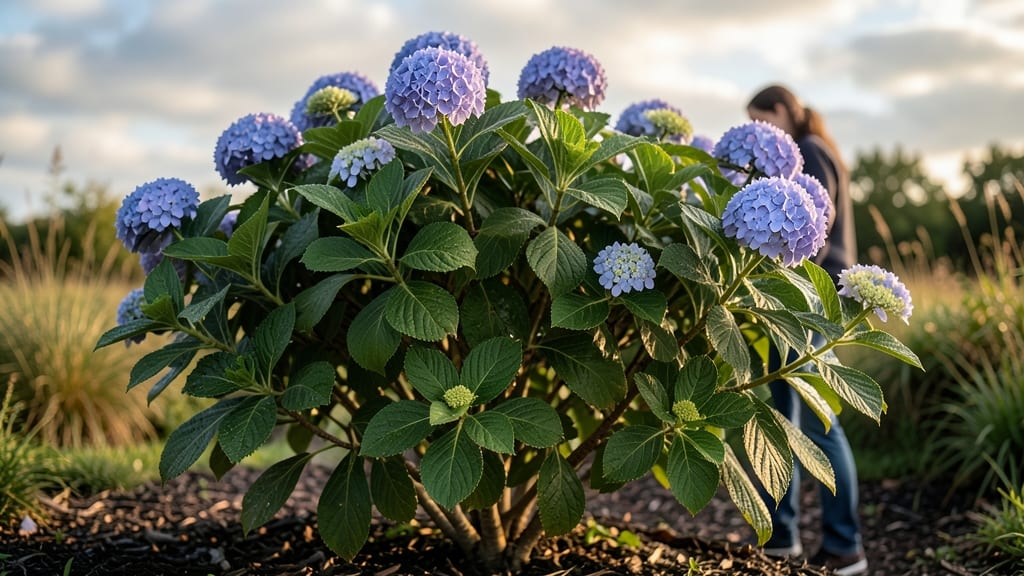
A how tall a hydrangea tree grows can vary dramatically—from just 3 feet to towering 20 feet, depending on the variety and care you give it 🌸.
If you’re dreaming of a stunning hydrangea tree but worried it’ll outgrow your yard, you’re not alone—many gardeners struggle with controlling their hydrangea’s height while keeping it lush and healthy.
Some varieties, like the compact Hydrangea arborescens, max out at just 5 feet, while others, such as Hydrangea paniculata, can reach 12 feet or more without pruning.
In this guide, I’ll break down how to control your hydrangea tree’s height by season, share pruning tricks to keep it manageable, and help you pick the perfect variety for your space.


Natural height range of hydrangea trees by variety: what to expect
Choosing a hydrangea tree for your landscape means balancing beauty with space—some varieties grow like towering sentinels while others stay compact enough for small gardens. The natural height of hydrangea trees varies dramatically by species, with mature heights ranging from 3 feet to over 20 feet.
Understanding these differences helps you pick the perfect fit for your yard's layout and sunlight conditions.
Hydrangeas are typically categorized into three main species, each with distinct growth habits: Hydrangea paniculata (panicle hydrangeas), Hydrangea arborescens (smooth hydrangeas), and Hydrangea macrophylla (bigleaf hydrangeas).
Some varieties are bred as dwarf hydrangea trees, while others naturally reach tree-like proportions. Let’s break down what to expect from each group.
📊 Below is a quick reference table for hydrangea tree height ranges by variety, including dwarf and standard types. This will help you visualize how each might fit into your garden design.
The Hydrangea paniculata group often grows the tallest, with some varieties like 'Limelight' reaching 15 feet or more. These are ideal for backyard focal points or as privacy hedges.
In contrast, dwarf hydrangeas like 'Little Lime' or 'Annabelle' stay under 5 feet, making them perfect for containers or small-space gardens. If you love the bigleaf hydrangea blooms but need a compact option, 'Endless Summer' is a great choice at 4–6 feet.
One common misconception is that all hydrangeas grow into large shrubs or trees. In reality, many hydrangea varieties are bred specifically for controlled growth. For example, 'Incrediball' stays under 5 feet while producing 4-inch blooms, proving you don’t need a towering plant for stunning flowers.
When selecting a variety, also consider its spread width, as some hydrangeas grow wider than they do tall.
Your climate zone plays a key role in how tall a hydrangea tree will grow. In warmer zones (7–9), hydrangeas often grow faster and taller due to longer growing seasons. Meanwhile, in cooler zones (4–6), growth may be slower, and some varieties might stay slightly shorter.
For instance, 'Limelight' might reach 12 feet in Zone 7 but only 10 feet in Zone 5. Always check the USDA hardiness zone recommendations for your specific variety.
If you're worried about a hydrangea outgrowing its space, don’t fret—pruning techniques can help control height. For example, selective pruning in late winter can encourage bushier growth and prevent a hydrangea from becoming too leggy.
However, timing matters: Pruning Hydrangea macrophylla after mid-summer can reduce next year’s blooms, while Hydrangea paniculata blooms on new wood, making it more forgiving for pruning.
For small gardens, consider hydrangea trees in containers. Dwarf varieties like 'Little Lime' thrive in 15-gallon pots and can be moved seasonally to optimize sunlight. Just ensure the container has drainage holes and use a well-draining p
Seasonal pruning guide: how to control hydrangea tree height year-round
Controlling your hydrangea tree height starts with understanding seasonal pruning. Without proper timing, even dwarf varieties can shoot up unexpectedly. I’ve learned that pruning in the wrong season can stimulate unwanted growth or even remove next year’s blooms—so let’s fix that!
Your hydrangea tree’s growth rate depends on its variety and care. For example, Hydrangea paniculata can reach 10-20 feet if unchecked, while Hydrangea arborescens typically stays between 3-5 feet. The key? Strategic pruning at the right time to keep it within your desired height range.
Pruning at the wrong time can drastically alter your hydrangea’s height. For example, cutting back Hydrangea macrophylla in late summer removes next year’s flower buds! Always prune after blooming for varieties like paniculata and arborescens, but before buds form for macrophylla types.
Spring is the best time to shape your hydrangea tree for compact growth. After the last frost, remove dead or crossing branches first. Then, cut back overgrown stems by about 1/3 to encourage bushier growth. Use clean, sharp pruners to avoid tearing the bark, which can invite disease.
For summer pruning, focus on light maintenance. Remove any spent blooms or overly leggy growth to redirect energy. Avoid heavy pruning in summer—it can stress the plant and lead to stunted growth or fewer flowers next season.
Instead, trim just the tips of new shoots to keep the shape tidy.
Fall pruning is all about preparing for winter. Remove any weak or diseased branches before the first frost. For Hydrangea paniculata, you can also prune lightly in fall to control height, but avoid heavy cuts.
Mulch around the base to protect roots from freezing temperatures—this helps maintain a compact growth habit the following spring.
Use the right tools for clean cuts: bypass pruners for small branches, loppers for thicker stems, and a pruning saw for larger limbs. Always sterilize tools with rubbing alcohol between cuts to prevent spreading disease. A little effort now saves you from overgrown hydrangeas next year!
Pro tip: Mark your pruning calendar! Spring (March-April) for shaping, summer (June-July) for light touch-ups, and fall (October-November) for cleanup. With consistent care, your hydrangea tree will stay lush, blooming, and within your desired height year-round. 🌿✂️🌸