
Pruning
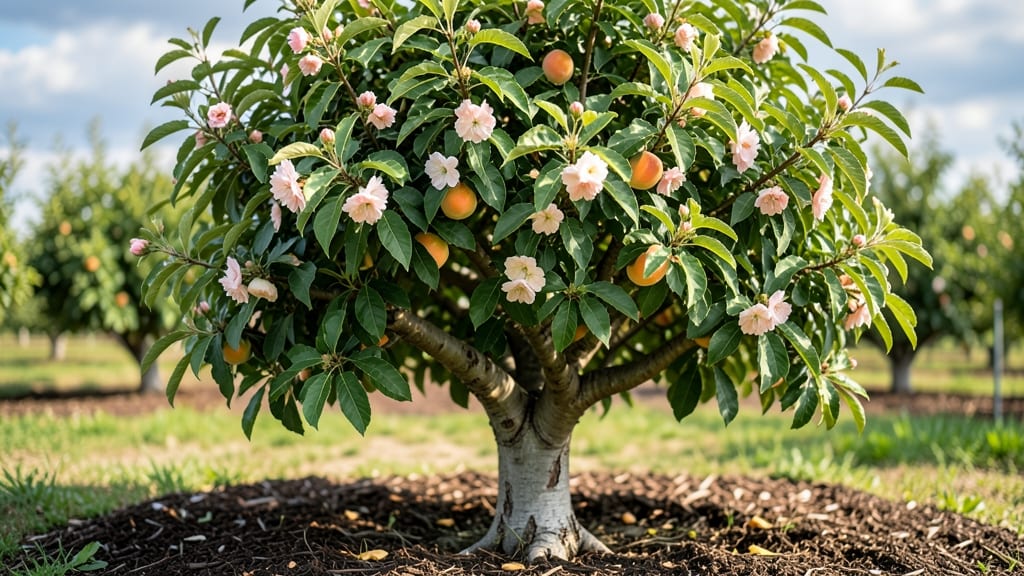
Peach trees in Missouri thrive with cold-resistant varieties like 'Reliance' or 'Redhaven,' perfectly suited for the state's USDA Zones 6-7. Late winter pruning maximizes growth while preventing disease and enhancing fruit yield.
Missouri's climate demands peach varieties that can withstand both cold winters and humid summers.
The 'Reliance' cultivar, for example, handles Missouri's 500-1,000 chill hours exceptionally well, while 'Redhaven' produces sweet, reliable fruit that ripens in late July. 🌳 These trees also resist common Missouri diseases like brown rot, making them ideal for home growers.
Proper pruning isn't just about shaping—it's about creating an open canopy that lets sunlight reach all branches, which is crucial for fruit development in Missouri's variable weather patterns.
When pruning, focus on removing dead or crossing branches first, then thin out crowded areas to improve airflow. Use sharp pruners and disinfect them between cuts to prevent bacterial spread. The key timing window is late winter, just before buds swell, when the tree is dormant but still resilient.
This approach helps avoid winter injury—a common issue in Missouri's fluctuating temperatures.
💡 In This Article
- Best Cold-Hardy Peach Varieties for Missouri Gardens
- Step-by-Step Missouri Peach Tree Pruning Guide
Best cold-hardy peach varieties for Missouri gardens
Missouri's climate presents unique challenges for peach growers, particularly the need for varieties that can endure 500-1,000 chill hours (the accumulated hours below 45°F required to break winter dormancy).
The 'Reliance' cultivar stands out because it thrives in this range while producing large, freestone fruit that ripens in mid-July—perfect for Missouri's short growing season. Its resistance to brown rot, a fungal disease rampant in the state's humid summers, makes it a top choice for home orchards. 🌿
Another excellent option is 'Contender', which handles Missouri's Zone 6-7 winters with ease and boasts a sweet, juicy flavor that matures slightly earlier than 'Redhaven'. The 'Halehaven' variety also excels here, offering yellow-fleshed fruit with a honey-like taste and exceptional cold hardiness down to -15°F.
These varieties outperform less-hardy types like 'Elberta', which struggles with Missouri's late spring frosts and requires more intensive care to produce consistent yields.
What sets these Missouri-adapted varieties apart is their ability to balance chill requirements with heat tolerance. During summer months, when Missouri temperatures often exceed 90°F, these trees maintain fruit quality without suffering from sunburn or premature ripening.
The 'Redhaven', for example, develops a rich red blush that's both visually appealing and flavorful—a trait that's particularly prized in Missouri's home canning and fresh-eating markets.
For those considering dwarf varieties, 'Bonanza' is worth exploring as it matures quickly (reaching 6-8 feet in 3-4 years) and produces abundant, medium-sized fruit ideal for small gardens. However, it requires staking and additional winter protection in Missouri's colder microclimates.
The trade-off is a 30% higher yield per square foot compared to standard-sized trees, making it a smart choice for urban growers with limited space.
When selecting your peach variety, consider your specific goals: 'Reliance' for reliability, 'Contender' for early harvests, or 'Halehaven' for unique flavor profiles. All three varieties share the advantage of minimal pesticide needs when grown in Missouri's well-drained soils, reducing maintenance while delivering consistent production.
The key is matching the variety's characteristics to your local microclimate—whether you're in the cooler Zone 6 areas of northern Missouri or the slightly warmer Zone 7 regions in the south.
One often-overlooked factor is pollination compatibility. While many Missouri varieties are self-pollinating, planting two different cultivars 20-30 feet apart can increase yields by 20-30% through cross-pollination. This is particularly valuable in Missouri's variable spring weather, where inconsistent pollinators can limit fruit set. 🌸