
Pruning
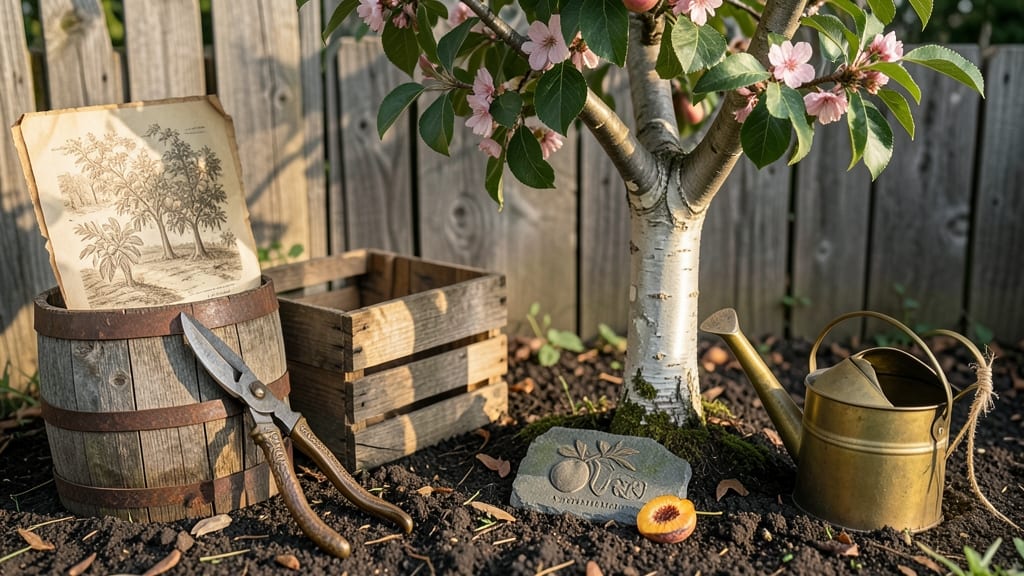
Peach tree history begins over 4,000 years ago in China’s Yangtze River Valley, where wild Prunus persica first flourished. These ancient trees spread through Persia along Silk Road trade routes, then reached Rome, and finally crossed the Atlantic with Spanish explorers, shaping today’s diverse varieties through centuries of selective breeding and cross-pollination.
The journey of peach trees from wild orchards in China to global orchards is a fascinating tale of human migration and horticultural innovation. 🌍 Archaeologists have uncovered evidence of peach pits dating back to 2000 BCE in China, while genetic studies suggest modern peaches descend from wild ancestors like Prunus davidiana.
Buddhist monks and Persian traders played pivotal roles in spreading peach seeds along ancient trade routes, adapting the fruit to thrive in Mediterranean climates. This cross-continental journey didn’t just transport fruit—it carried agricultural knowledge that would later revolutionize fruit cultivation worldwide.
What’s particularly interesting is how peach trees adapted to new environments.
The fruit’s natural resilience allowed it to flourish in diverse climates, from the hot valleys of California to the cooler regions of Europe. 🌱 Spanish explorers brought peach trees to the Americas in the 16th century, where they quickly became a staple crop.
By the 19th century, horticulturists like Luther Burbank were developing disease-resistant varieties, ensuring peach trees would remain a cornerstone of global agriculture for centuries to come.
💡 In This Article
- Ancient Origins of Peach Trees in China and Persia
- How Peach Trees Spread Across the World
Ancient origins of peach trees in China and Persia
Archaeological excavations in China’s Yangtze River Valley reveal peach pits dating back to 2000 BCE, proving wild Prunus persica thrived long before cultivation. These early trees grew in rugged terrain, producing small, tart fruits that modern peaches resemble only distantly.
Genetic studies confirm today’s varieties descend from wild ancestors like Prunus davidiana, which grew in China’s mountainous regions with their 10-15°F winter chills—critical for dormancy cycles. 🌿 The Chinese domesticated these trees around 1000 BCE, selecting sweeter varieties through careful seed selection, a process that took centuries.
Buddhist monks became inadvertent peach ambassadors, carrying seeds along the Silk Road (2nd century BCE–14th century CE) as they traveled between China and Persia. Persian traders then adapted peaches to their arid climate, developing early grafting techniques to improve fruit quality.
By 500 CE, Persian orchards produced larger, juicier peaches than their Chinese ancestors—thanks to cross-pollination with local wild plums. The fruit’s success in Persia demonstrates how climate adaptation shaped its evolution, with Persian varieties later reaching Greece and Rome.
What’s remarkable is how these ancient trees survived harsh conditions. Wild peaches produced 1-2 inches diameter fruits with tough skins, while cultivated varieties developed softer flesh and sweeter flavors. Persian horticulturists noticed that trees grafted onto hardy rootstocks produced more reliably, a technique still used today.
This early innovation ensured peaches could thrive beyond their native range, setting the stage for global expansion. 🌍
The transition from wild to cultivated peaches wasn’t just about taste—it involved understanding tree biology. Ancient growers learned that peaches needed 200-1000 hours of winter chill to produce fruit, a discovery that later guided modern orchardists.
Persian traders also spread knowledge of irrigation and soil preparation, techniques that made peaches viable in Mediterranean climates where rainfall was scarce.
Genetic evidence shows modern peaches share 90%+ DNA with their Chinese ancestors, but Persian adaptations introduced key traits like disease resistance and larger fruit size. For example, the ‘Persian White’ variety, developed in ancient Persia, became a foundation for European peach breeding programs.
This cross-cultural pollination created the genetic diversity we see in today’s 500+ peach varieties. 💡
One fascinating detail: ancient Chinese texts describe peaches as symbols of immortality, while Persian poets praised them for their beauty. This cultural reverence ensured peaches weren’t just food—they became part of human heritage, carried by traders, monks, and explorers across continents.
The fruit’s journey mirrors humanity’s own migration patterns, making peach history a story of both botanical science and human connection.