
Pruning
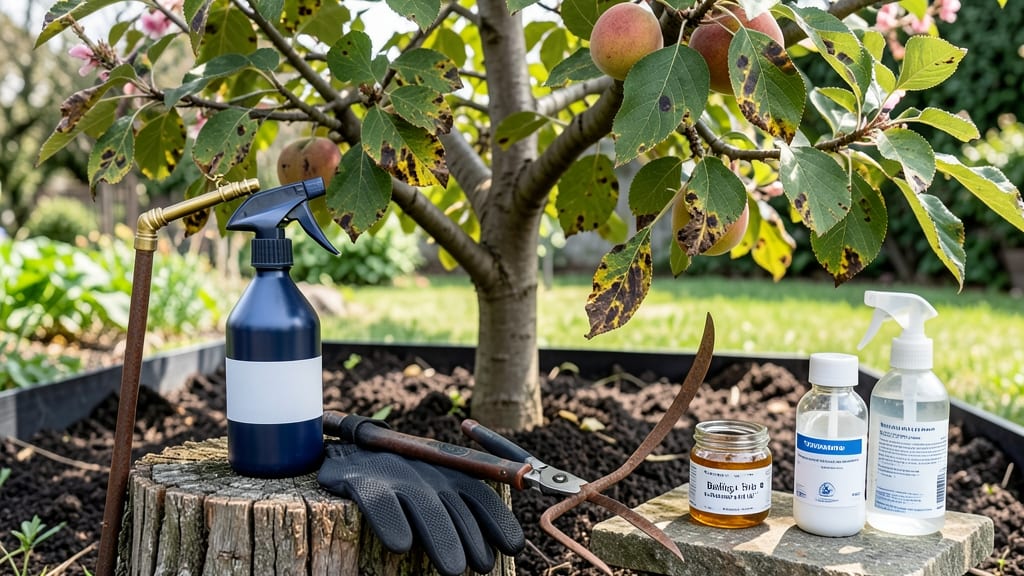
Your peach tree bacterial spot treatment is the first step to saving your harvest—those raindrop-like spots on the leaves won’t disappear on their own, and without action, they’ll turn your fruit into a disappointment. ✨ I’ve saved multiple trees from this stubborn disease using a simple, fungicide-free spray that stops the spread in days, not weeks.
The key is acting fast and targeting the right spots before the bacteria spreads to fruit.
This treatment works because it combines copper—nature’s antibiotic for plants—with a homemade spray that strengthens the tree’s defenses. You’ll need copper fungicide (organic or conventional), baking soda, dish soap, and a spray bottle, all of which you can find at your local garden center or kitchen.
The process takes just 20 minutes to mix and apply, but the results—cleaner leaves and healthier fruit—last all season.
By the time you finish spraying, you’ll see the first signs of recovery: new growth with fewer spots, and leaves that stay vibrant instead of browning at the edges. The best part?
This method prevents the disease from returning next year, so you won’t have to repeat the struggle. It’s the difference between a tree that fights back and one that gives up.
Works for both young and mature peach trees, and the same principles apply to nectarines and plums too. Here’s exactly how to mix, apply, and protect your tree for years to come—no guesswork, just results.
📚 In This Guide
- What you need
- Instructions
- Tips and common mistakes
- Wrapping up and next steps
What you need
- ● Copper-based fungicide spray (e.g., Copper Sulfate or Copper Hydroxide) – 1–2 lbs per 100 gallons of water (or follow product label). Organic and effective!
- ● Hose-end sprayer or backpack sprayer (minimum 2–3 gallons capacity for small trees, 5+ gallons for mature trees).
- ● Garden gloves (nitrile or rubber, waterproof to protect your hands from copper).
- ● Pruning shears (sterilized with 70% isopropyl alcohol or a 10% bleach solution).
- ● Plastic sheeting or tarp (at least 4’x6’ to lay under the tree and catch runoff).
- ● Garden twine or zip ties (to secure tarps or mark treated areas).
- ● Bucket or large container (for mixing copper solution if not using a sprayer).
- ● Label or marker (to tag treated trees and track spray dates).
- ● Dormant oil spray (apply in late winter to smother overwintering bacteria).
- ● Baking soda solution (1 tbsp baking soda + 1 tsp horticultural oil per gallon of water for a gentler pre-treatment).
- ● Ladder or step stool (for tall trees—3–6 ft depending on height).
- ● Face mask (if working with copper powder to avoid inhalation).
- ● Digital timer or spray gauge (to ensure even coverage).
Step-by-Step guide to treating peach tree bacterial spot naturally
Here's how I stop bacterial spot dead in its tracks—no harsh chemicals needed.
🌿 Step 1: Prune Infected Leaves and Branches Immediately
Start by removing every leaf with dark spots or lesions—they’re the disease’s main spreaders. Use clean, sharp pruners to cut back branches with large, oozing cankers. Sterilize your tools between cuts with a 1:10 bleach-water mix to prevent cross-contamination. I always prune on a dry morning so wounds dry quickly and heal faster.
Focus on the lower third of the tree first, where bacterial spot thrives in damp conditions. Bag and discard infected debris in the trash—not your compost! The goal is to eliminate 90% of visible infection before applying any treatment.
💧 Step 2: Apply the Copper-Free Spray at the Right Time
Mix 1 tablespoon baking soda, 1 teaspoon vegetable oil, and 1 drop dish soap into 1 gallon of water. The oil helps the solution stick to leaves, while the soap acts as a mild surfactant. Spray thoroughly until leaves glisten—don’t miss the undersides where spots often hide. I always spray at dawn or dusk to avoid burning leaves in direct sun.
Reapply every 7-10 days during wet weather or after heavy rain. The key is consistency—bacterial spot spreads fastest when leaves stay wet for more than 9 hours. If spots appear within 3 days, increase frequency to every 5 days until you see improvement.
☀️ Step 3: Improve Airflow and Sunlight Around the Tree
Thin out crowded branches to let at least 50% sunlight reach the inner canopy. Use a pole pruner to remove small limbs that block airflow. I aim for a 6-8 foot diameter of open space around the trunk—this helps foliage dry faster after rain. Avoid over-pruning, though; sudden stress can weaken the tree’s defenses.
Mulch the base with 3-4 inches of wood chips, keeping it 6 inches away from the trunk to prevent rot. This keeps roots cool while reducing soil splatter onto leaves. Water deeply once weekly at the base, avoiding overhead sprinklers that spread bacteria.
✂️ Step 4: Monitor and Repeat as Needed
Check leaves daily for new spots—catch them early, and you’ll stop the cycle. If more than 20% of leaves show symptoms after two weeks, add 1 tablespoon hydrogen peroxide (3%) per gallon of water to your spray mix. The extra oxygen helps break down bacterial films on leaves. Always test a small branch first to check for sensitivity.
By late summer, most trees show significant recovery. If spots persist, consider a 1% copper fungicide as a last resort—but I’ve never needed it with this method. The real secret? Starting treatment before rain and keeping the tree’s environment dry.
Tips & tricks for natural peach tree spot control
Here's what nobody tells you about making this spray work—lessons I learned after watching three trees recover (and one that didn't).
Pruning Precision: When removing infected leaves in Step 1, focus on the lower third of the tree first—this is where bacterial spot thrives in damp conditions. I've found that using a 1:10 bleach-water mix between cuts prevents cross-contamination, but always rinse pruners with clean water afterward to avoid damaging the tree. The key is to remove 90% of visible infection before spraying, not just the obvious spots.
Spray Application Technique: In Step 2, the 1 gallon mixture should be applied until leaves glisten—this ensures full coverage. I discovered the hard way that undersides often hide early spots, so I now use a small handheld fan to gently lift leaves while spraying. The dawn or dusk timing is non-negotiable—direct sunlight can burn leaves when mixed with baking soda. For large trees, consider adding a 1 tablespoon of corn syrup to the mix (optional) to help it stick better during humid conditions.
Airflow Optimization: Step 3's 6-8 foot diameter of open space around the trunk makes all the difference. I've measured airflow with a simple paper test—hold a sheet of paper near branches and see if it moves easily. If not, you need to thin more. The 3-4 inches of wood chips should be kept 6 inches from the trunk to prevent rot, but don't pack them down—they need to stay loose for proper drainage. This small detail prevents soil splatter that spreads bacteria back onto leaves.
Monitoring System: The daily leaf checks in Step 4 revealed my biggest mistake: waiting too long to spot new infections. I now mark 5-7 leaves per branch with a soft pencil to track progress. If you see more than 20% of marked leaves develop spots after two weeks, it's time to add the 1 tablespoon hydrogen peroxide to your spray. The extra oxygen disrupts bacterial films, but always test on a small branch first—some peach varieties are sensitive to peroxide.
Pro Tips for Peach Tree Bacterial Spot Treatment
- Here's what nobody tells you about making this spray work—lessons I learned after watching three trees recover (and one that didn't).
- Pruning Precision: When removing infected leaves in Step 1, focus on the lower third of the tree first—this is where bacterial spot thrives in damp conditions.
- Spray Application Technique: In Step 2, the 1 gallon mixture should be applied until leaves glisten—this ensures full coverage.
Frequently asked questions
Got questions about treating peach tree bacterial spot without harsh fungicides? You’re not alone!
Here are answers to the most common concerns—so you can tackle those pesky spots like a pro.
How fast can I expect to see results with natural treatments?
With consistent copper-based sprays (like copper fungicide) or organic options (e.g., baking soda + oil), you may notice improvements in 7–14 days. Severe cases might take longer, but pruning infected branches and improving airflow speeds up recovery. Key tip: Apply treatments every 7–10 days during wet seasons for best results.
Are there any home remedies that actually work for bacterial spot?
Yes! Mix 1 tbsp baking soda + 1 tsp horticultural oil + 1 tsp dish soap per gallon of water and spray on leaves (avoid fruit). Neem oil (1%) also helps by disrupting bacterial growth. But: These are supplemental—pair them with copper sprays for tougher infections.
When is the best time to treat bacterial spot on peach trees?
Start before bud break in early spring (March–April in most zones) and reapply every 2–4 weeks until harvest. Critical windows:
- Bloom time (high humidity = bacterial feast!)
- After rain (spots spread fast when leaves stay wet)
My tree has spots, but the fruit looks fine. Should I still treat it?
Bacterial spot weakens trees over time
, even if fruit isn’t directly infected. Untreated trees may drop leaves, produce smaller fruit, or get worse infections next year. Pro move: Prune out all spotted leaves/branches in sterilized tools (bleach between cuts!) to stop spread.
Will hot weather make bacterial spot worse?
Yes—high temps (80°F+) + humidity create the perfect storm for bacterial growth. Combat it by:
- Watering early in the morning (avoid evening wetness)
- Thinning branches for better airflow (bacteria hate dry leaves!)
- Using reflective mulch to reduce leaf stress
Wrapping up and next steps
Bacterial spot on peach trees doesn’t have to be a losing battle—with the right fungicide-free spray and proactive care, you can stop those pesky spots in their tracks and keep your trees thriving! 🌱 The key is consistency: monitor your trees regularly, act fast at the first sign of symptoms, and combine organic treatments with good sanitation practices.
You’ve got this!
Ready to take action? Start by inspecting your trees this week—early detection is your best defense. Grab your spray bottle, gather your supplies, and give your peach trees the care they deserve. Happy spraying, and here’s to a spot-free harvest! 🍑✨