
Pruning
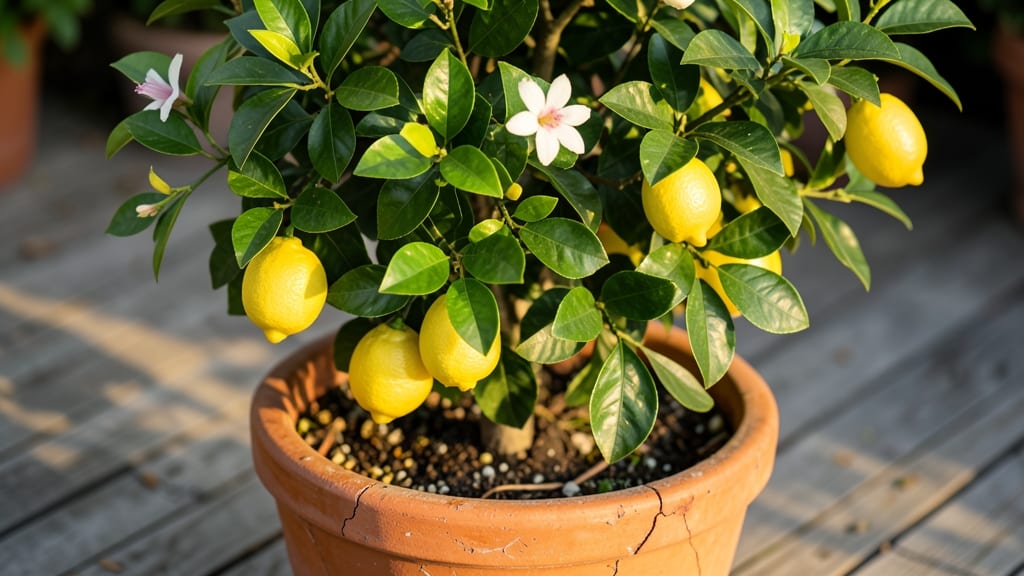
Your patio lemon tree care can be effortless year-round with just three simple tricks—I’ve kept mine producing fruit for five seasons straight, even in a small urban yard. 🌿 The secret isn’t complicated: it’s about sunlight, water, and a little winter TLC that most people overlook.
I’ll show you exactly how to balance these three things without stressing over complicated schedules.
Start with 6+ hours of direct sunlight daily—that’s non-negotiable for sweet fruit. Water when the top inch of soil feels dry, but never let it sit soggy (root rot is the silent killer of patio citrus).
A well-draining pot with drainage holes is your best friend, and I’ll tell you which soil mix keeps my tree happy without the fuss of amending every year.
By winter, you’ll protect your tree from cold snaps with a simple burlap wrap and move it to a sheltered spot. The payoff? Harvests twice a year—spring blooms and fall fruit—plus glossy leaves that make your patio look like a Mediterranean escape. No green thumb required, just consistent care.
We’ll cover pruning to shape your tree (and encourage more fruit), fertilizing on a schedule that won’t burn roots, and troubleshooting issues like leaf drop before they become problems. Even if your tree’s been struggling, these tricks work for Meyer lemons, Improved Meyers, and standard dwarf varieties alike.
📚 In This Guide
- What you need
- Instructions
- Tips and common mistakes
- Wrapping up and next steps
What you need
- ● Pruning shears – Sharp, sterilized bypass pruners (avoid dull tools—they crush stems!)
- ● Gloves – Heavy-duty garden gloves (lemon trees have thorns! 🌿)
- ● Disinfectant (70% isopropyl alcohol or bleach solution) – 1 part bleach to 9 parts water (for sterilizing tools)
- ● Potting soil – Well-draining citrus-specific mix (or a blend of 60% peat moss, 30% perlite, 10% sand)
- ● Pot or container – At least 12–18 inches deep with drainage holes (terracotta or fabric pots work best)
- ● Watering can or hose with a gentle nozzle – Avoid overwatering!
- ● Fertilizer – Citrus-specific slow-release granules or liquid fertilizer (balanced NPK, like 6-6-6)
- ○ Mulch (optional but helpful) – 2–3 inches of organic mulch (straw or wood chips) to retain moisture
- ● 🌡️ Thermometer/hygrometer – To monitor temperature/humidity (ideal: 60–85°F)
- ● 🍋 Citrus food supplement – For extra micronutrients (like magnesium or iron)
- ● 🐞 Insecticidal soap – For pesky aphids or spider mites
- ● 🌿 Support stake or trellis – If your lemon tree grows tall (great for patio space-saving!)
How to maintain a thriving patio lemon tree year-round
Here's the straightforward approach I use to keep my patio lemon tree producing fruit and looking lush through every season.
☀️ Step 1: Position for Maximum Sunlight and Shelter
Place your lemon tree in the sunniest spot on your patio, where it receives at least 6-8 hours of direct sunlight daily. A south-facing location works best, but west-facing is fine too—just avoid deep shade. I like to position mine near a wall or fence during cooler months to provide some wind protection without blocking light.
If your patio gets strong afternoon winds, consider a temporary windbreak made of burlap or a lattice screen. You'll notice leaves yellowing or curling when the tree is stressed from wind exposure, so adjust placement accordingly. During winter, move the tree to a sheltered corner or bring it indoors if temperatures drop below 40°F—lemon trees are tender and won't tolerate frost.
💧 Step 2: Water Deeply and Establish a Consistent Routine
Water your lemon tree deeply once a week during warm months, allowing the top 2-3 inches of soil to dry out between waterings. Stick your finger in the soil—if it feels dry at that depth, it's time to water. Overwatering is the most common mistake, and it leads to root rot, which kills the tree slowly. I use a 5-gallon watering can to ensure thorough saturation, focusing on the base rather than the foliage.
In summer, you may need to water twice a week, especially if your patio gets intense afternoon sun. Check the soil moisture daily during heatwaves—wilting leaves are a sign of thirst, but don't wait until the tree looks stressed to water. Mulch the soil surface with 2-3 inches of organic mulch to retain moisture and regulate temperature. Keep the mulch a few inches away from the trunk to prevent rot.
✂️ Step 3: Prune for Shape and Airflow in Early Spring
Prune your lemon tree in early spring, just as new growth begins, to shape it and encourage airflow. Remove any dead, diseased, or crossing branches first—these are easy to spot because they look brown, brittle, or out of place. Next, trim back any overly long branches to maintain a balanced shape. I aim for a slightly rounded canopy, which helps sunlight reach the inner leaves and reduces humidity buildup that can invite fungal issues.
Cut just above a leaf node or outward-facing bud to encourage new growth in the right direction. Avoid heavy pruning in late summer or fall, as this can stress the tree before winter. After pruning, give the tree a light fertilizer application to support new growth. You'll see fresh, vibrant leaves emerging within a few weeks if the timing and cuts were right.
🌱 Step 4: Fertilize and Monitor for Pests Year-Round
Feed your lemon tree with a balanced citrus fertilizer every 4-6 weeks during the growing season (spring through fall). I use a slow-release granular fertilizer for convenience, but liquid fertilizers work too—just follow the package instructions for dilution. In winter, reduce feeding to once every 8-10 weeks since growth slows down. Over-fertilizing can burn roots, so always water the tree thoroughly before and after applying fertilizer.
Keep an eye out for common pests like aphids, spider mites, or scale insects, which love the sap of lemon trees. I inspect the undersides of leaves weekly—pests often hide there. If you spot any, treat them immediately with neem oil or insecticidal soap. Catching infestations early makes treatment much easier. Healthy trees are less susceptible to pests, so consistent care pays off in the long run.
Tips & tricks for perfect patio lemon tree care
These simple but game-changing tricks will help your lemon tree thrive year-round without the guesswork.
The Sunlight Secret: If your patio doesn't get natural south-facing sun, supplement with a grow light for 4-6 hours daily during winter months. I use a full-spectrum LED bulb positioned 12 inches above the tree—this mimics natural sunlight and prevents leaf drop. The key is maintaining those 6-8 hours of light exposure consistently, even if you need to move the tree closer to a window during shorter winter days.
Watering Wisdom: The 2-3 inch soil test is your best friend—stick your finger in the soil at that depth before watering. If it feels damp, wait another day. I've learned the hard way that overwatering during cooler months (when growth slows) is just as damaging as underwatering. In summer, I water in the morning to prevent evaporation and fungal issues from overnight moisture.
Pruning Precision: When shaping your tree in early spring, look for branches that grow inward toward the center—they're the ones blocking sunlight and airflow. Cut these at a 45-degree angle just above a leaf node to encourage outward growth. I always sterilize my pruners with rubbing alcohol between cuts to prevent spreading disease through open wounds on the tree.
Fertilizer Timing: The 4-6 week feeding schedule during growing season works because it matches the tree's natural growth cycles. I've found that applying fertilizer right after a deep watering helps prevent root burn. In winter, when you reduce to every 8-10 weeks, use half the recommended dose—lemon trees need less when they're dormant.
Pro Tips for Patio Lemon Tree Care
- These simple but game-changing tricks will help your lemon tree thrive year-round without the guesswork.
- The Sunlight Secret: If your patio doesn't get natural south-facing sun, supplement with a grow light for 4-6 hours daily during winter months.
- Watering Wisdom: The 2-3 inch soil test is your best friend—stick your finger in the soil at that depth before watering.
Frequently asked questions
How often should I prune my patio lemon tree?
Prune your lemon tree lightly 2–3 times a year: in late winter (before new growth starts), after heavy fruiting, and to shape it in early summer. Avoid heavy pruning—just remove dead wood, crowded branches, and suckers (shoots growing from the trunk). Pro tip: Never prune more than 1/3 of the tree at once!
Why aren’t my patio lemon tree’s fruits growing?
Lemon trees need full sun (6+ hours daily), consistent watering (keep soil moist but not soggy), and balanced fertilizer (use citrus-specific feed in spring/summer). If flowers drop early, it’s often due to stress—check for pests, overwatering, or sudden temperature swings. Hand-pollinate flowers with a soft brush if bees are scarce!
Can I keep my patio lemon tree indoors during winter?
Yes! Move it indoors before temps drop below 40°F (4°C). Place it near a south-facing window (or use grow lights for 12+ hours/day) and reduce watering. Watch for drafts—lemon trees hate sudden cold air. If indoors feels too dry, mist leaves occasionally or use a humidifier. Bring it back outside in spring only after nighttime temps stay above 50°F (10°C).
What pests should I watch for on my patio lemon tree?
Common culprits include:
- Aphids (tiny green/black bugs on new growth)
- Scale insects (brown bumps on stems/leaves)
- Spider mites (webbing on undersides of leaves)
- Whiteflies (tiny white moths flitting when disturbed)
Start with a soapy water spray (1 tsp mild soap + 1 quart water) or neem oil. For severe infestations, use insecticidal soap or horticultural oil. Act fast—pests weaken trees and spread quickly!
Can I grow a dwarf lemon tree in a pot year-round?
Dwarf varieties (like ‘Meyer’ or ‘Improved Meyer’) thrive in containers with well-draining soil and 10–15 gallon pots (minimum). Just ensure:
- Winter protection: Move pots to a garage or wrap in burlap if temps drop below 30°F (-1°C).
- Drainage: Pots must have holes + saucers to prevent root rot.
- Fertilizer: Use a slow-release citrus blend or liquid feed every 4–6 weeks in growing season.
Rotate the pot occasionally so the tree grows evenly. With the right care, your dwarf tree can fruit for decades!
Wrapping up and next steps
Caring for your patio lemon tree doesn’t have to be complicated—just a little love and consistency go a long way! 🌿 With the right pruning, sunlight, and occasional TLC, you’ll enjoy fresh lemons (and maybe even blooms!) right outside your door.
Start small, stay patient, and soon, your tree will reward you with vibrant growth and delicious fruit.
Ready to take the next step? Grab your pruners and schedule a quick check-in with your tree this weekend! Whether it’s trimming back winter growth or prepping for summer’s heat, every little effort keeps your lemon tree thriving year-round.