
Pruning
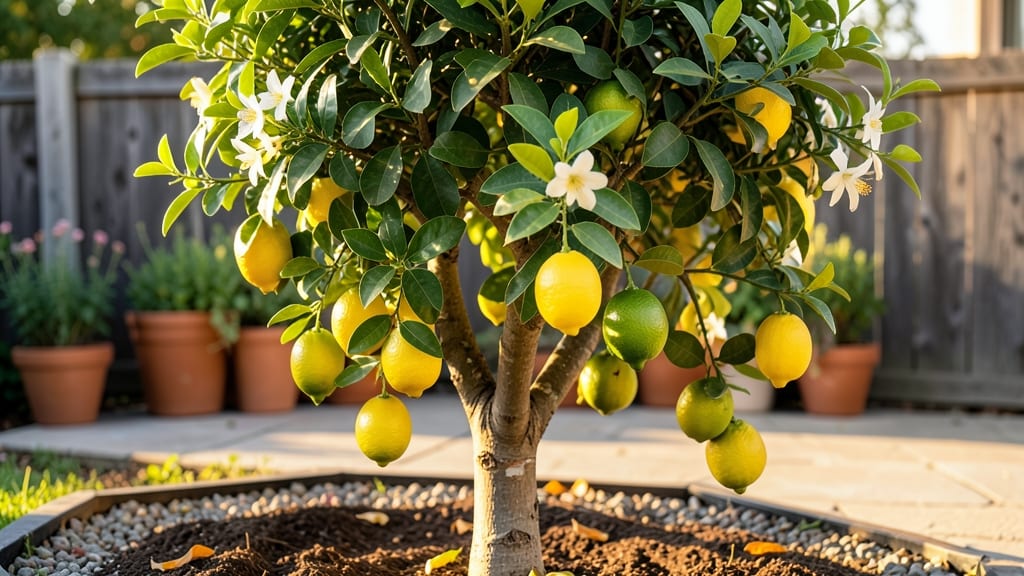
Growing a lemon tree at home means fresh fruit straight from your kitchen counter—no grocery store required. 🌱 The key is choosing a dwarf variety like 'Meyer' or 'Eureka', which thrive indoors with just a sunny window and consistent care.
I've grown mine for three years now, and the first harvest was worth every drop of water. These trees need bright light (6+ hours daily), well-draining soil, and regular watering—never soggy roots.
A balanced citrus fertilizer every 4-6 weeks keeps them producing, and minimal pruning (just shaping and removing dead growth) keeps them manageable. The real magic happens when you see those first tiny lemons forming by late winter.
You'll end up with fragrant blossoms and sweet, juicy fruit year-round, even in small spaces. The tree stays compact enough for a sunny nook, and the scent alone makes your kitchen feel like a Mediterranean courtyard. Perfect for anyone who loves fresh lemons but hates the grocery store price tag.
Container growing works beautifully—just pick a pot with drainage and upgrade to a larger one every few years. Here's how to make it happen without the fuss of a full-size orchard.
📚 In This Guide
- What you need
- Instructions
- Tips and common mistakes
- Wrapping up and next steps
What you need
- ● Lemon tree: 1 dwarf variety (e.g., Meyer lemon) – ideal for containers (10–15 ft tall at maturity).
- ● OR a young sapling (3–6 ft tall) from a nursery (ensure it’s disease-free).
- ● Container (if potted): 1 large pot (18–24" diameter) with drainage holes.
- ○ Optional: Self-watering pot for low-maintenance care.
- ● Potting soil: 1 bag (10–15 lbs) of well-draining citrus mix (or blend 60% potting soil + 40% perlite/sand).
- ● Fertilizer: 1 bottle of citrus-specific fertilizer (e.g., 6-6-6 NPK ratio) or organic options like fish emulsion.
- ● Pruning tools: 1 pair of sterilized pruning shears (sharp, bypass-style for clean cuts).
- ● 1 small hand saw (for thicker branches, if needed).
- ● Support: 1–2 bamboo stakes or a small trellis (for young trees to encourage upright growth).
- ● 1 humidity tray (to maintain moisture in dry climates).
- ● 1 grow light (LED, 12–16 hrs/day if indoors with low natural light).
- ● 1 pH test kit (ideal soil pH: 6.0–7.0 for lemons).
- ● 1 spray bottle (for misting leaves in dry air).
- ● 1 mulch (e.g., straw or bark chips to retain moisture).
How to grow a lemon tree at home with minimal pruning
Here's how to keep your citrus tree thriving indoors—no green thumb required.
🪴 Step 1: Choose the Right Container and Soil
Start with a 12-15 inch diameter pot that has drainage holes—lemons hate soggy roots. I use a terra cotta pot because it breathes better than plastic, but make sure it's large enough to support your tree for at least 2-3 years. The soil needs to be a mix of 60% potting mix, 20% perlite, and 20% compost to give your tree the drainage and nutrients it craves.
Fill the pot about halfway with your soil mix, then tap the container gently to settle it. This prevents air pockets that could stunt root growth. The key here is to avoid garden soil—it compacts too easily and can harbor pests. You'll know your soil is ready when it feels light but holds together when squeezed.
☀️ Step 2: Position for Maximum Light Exposure
Lemon trees need 6-8 hours of direct sunlight daily, so place your tree near a south-facing window if possible. If natural light is limited, supplement with a grow light positioned 6-12 inches above the tree for 12-14 hours per day. You'll notice leaves turning pale or stretching toward the light? That's your tree begging for more brightness.
Rotate the pot a quarter turn every week so the tree grows evenly. I keep mine on a caster wheel for easy movement—no more lopsided growth or weak stems. If you see new growth leaning toward one side, your light source isn't evenly distributed.
💧 Step 3: Water Deeply but Infrequently
Water your lemon tree when the top 1-2 inches of soil feel dry to the touch. Stick your finger in the soil—if it's damp, wait a few more days. Overwatering is the #1 killer of indoor citrus, so I always err on the side of underwatering. When you do water, soak the soil until water runs out the drainage holes, then empty the saucer to prevent root rot.
In winter, when growth slows, reduce watering to every 10-14 days. You'll see the leaves yellow slightly if it's thirsty, but don't panic—just adjust your watering schedule. A healthy tree will have glossy, deep green leaves with no brown edges.
✂️ Step 4: Prune Only When Necessary
Minimal pruning means focusing only on dead, crossing, or overly long branches. Use clean, sharp pruning shears to cut just above a leaf node at a 45-degree angle. I prune in late winter or early spring when the tree is about to enter its growth phase—this encourages bushier, more productive growth.
Never remove more than 25% of the tree's foliage at once. You'll know you've over-pruned if the tree drops leaves or looks stressed. A well-pruned lemon tree should have an open center that lets light reach all branches—this prevents fruit from forming only on the outer edges.
🌿 Step 5: Fertilize Seasonally for Optimal Growth
Feed your tree with a balanced citrus fertilizer (like 6-6-6 or 8-3-9) every 4-6 weeks during spring and summer. In fall and winter, cut back to every 8-12 weeks since growth slows. Always follow the package instructions—too much fertilizer burns roots faster than you'd think.
You'll see new growth within a few weeks of fertilizing, and that's your reward for patience. If leaves turn yellow with brown tips, you're overdoing it—flush the soil with water to dilute excess salts. A happy tree has vibrant, healthy leaves and occasional white flowers that eventually turn into lemons.
Tips & tricks for perfect indoor lemon tree care
Took me years to figure out how to keep my citrus thriving indoors—here’s what actually works.
Container Choice: Terra cotta isn’t just my preference—it’s a game-changer for lemon trees. The porous material wicks away excess moisture, which is critical since soggy roots are the #1 killer of indoor citrus. If you must use plastic, drill extra drainage holes and elevate the pot on a saucer with pebbles to prevent water pooling. I’ve seen trees in plastic pots develop root rot within months, even with careful watering.
Light Strategy: That 6-8 hours of sunlight isn’t just a suggestion—it’s non-negotiable for fruit production. If your windows aren’t south-facing, invest in a full-spectrum LED grow light. I use mine for 12-14 hours daily in winter when natural light fades early. Pro tip: Place the light just close enough that you can’t fit your hand between it and the tree’s top leaves—this mimics direct sunlight intensity.
Watering Wisdom: The "top 1-2 inches dry" rule is your best friend, but here’s what nobody tells you: Check soil moisture in the morning when temperatures are cooler. Evening watering can lead to fungal issues because the leaves stay wet overnight. And if your tap water has high chlorine, let it sit out for 24 hours before using—chlorine buildup stresses citrus trees over time.
Pruning Precision: That 45-degree angle cut isn’t just aesthetic—it’s about directing water away from the cut to prevent rot. I mark my pruning shears with a permanent marker to ensure consistent angles every time. And when you’re removing crossing branches, think "open center"—this isn’t just about looks, it’s about maximizing airflow and sunlight penetration to all parts of the tree.
Pro Tips for Lemon Tree At Home
- Took me years to figure out how to keep my citrus thriving indoors—here’s what actually works.
- Container Choice: Terra cotta isn’t just my preference—it’s a game-changer for lemon trees.
- Light Strategy: That 6-8 hours of sunlight isn’t just a suggestion—it’s non-negotiable for fruit production.
Frequently asked questions
Got questions about growing a lemon tree at home?
You’re not alone! Here are answers to the most common concerns—from pruning to harvest—so you can enjoy fresh lemons year-round with ease.
How much sunlight does a lemon tree need indoors?
A lemon tree thrives with 6–8 hours of direct sunlight daily. Place it near a south- or west-facing window, or supplement with a grow light (12–14 hours/day) if natural light is limited. Yellowing leaves? It’s likely craving more sun!
When is the best time to prune a lemon tree?
Prune your lemon tree late winter or early spring (just before new growth starts) to shape it and encourage fruit production. Avoid heavy pruning in fall—it can stress the tree before winter. Pro tip: Use clean, sharp shears and sterilize them with rubbing alcohol to prevent disease.
Why aren’t my lemon tree’s flowers turning into fruit?
Common culprits include lack of pollination, insufficient sunlight, or over-fertilizing with nitrogen. Hand-pollinate flowers with a soft brush, ensure it gets enough light, and switch to a balanced citrus fertilizer (low nitrogen, high potassium/phosphorus) to boost fruiting.
Can I grow a lemon tree in a pot, and how big should it be?
Yes! Lemon trees adapt well to containers. Start with a 15–20 gallon pot for dwarf varieties (like ‘Meyer’ lemons) and upgrade as it grows. Ensure the pot has drainage holes and use well-draining soil mixed with perlite or sand. Repot every 2–3 years to refresh nutrients.
What pests should I watch for, and how do I treat them?
Keep an eye out for aphids, spider mites, and scale insects. Treat mild infestations with a neem oil spray or insecticidal soap. For severe cases, wipe leaves with a damp cloth dipped in 1 part rubbing alcohol + 1 part water. Prune heavily infested branches to contain the spread.
How do I know when lemons are ripe and ready to pick?
Ripe lemons are bright yellow (not green!), slightly soft when gently squeezed, and pull away easily from the tree. They’ll also have a sweet, floral scent near the stem. Harvest in the morning for peak flavor and store at room temp for up to 2 weeks.
Wrapping up and next steps
Growing a thriving lemon tree at home is entirely within reach—even with minimal pruning! 🌱 With the right materials, a dash of patience, and a few strategic cuts, you’ll enjoy a year-round supply of fresh lemons while keeping your tree healthy and lush.
Whether you’re a beginner or a seasoned gardener, the key is consistency and confidence in your pruning skills.
Now that you’re armed with the know-how, roll up your sleeves and give your lemon tree the care it deserves. Start with just one small pruning session this week—you’ll be amazed at how much difference it makes!
For extra inspiration, check out our pruning timeline or share your progress with fellow citrus lovers online. Happy pruning! 🍋✂️