
Pruning
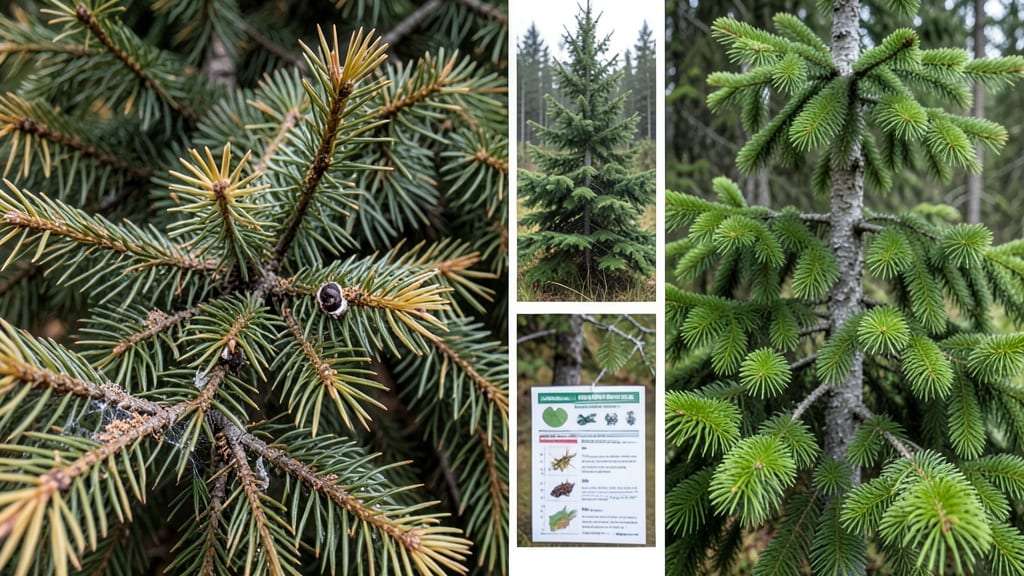
The problems with your Nordmann fir tree—brown needles and drooping branches—aren’t a death sentence, just a cry for help. 🌲 I’ve nursed back more than a few of these evergreens from winter damage, pests, and even fungal infections, and the fixes are simpler than you’d think.
The most common culprits are spider mites (tiny but devastating), bark beetles (they chew through bark like it’s toothpicks), and needle blight (that fuzzy white stuff on branches). Environmental stress—like sudden drought or scorching afternoon sun—can also turn your tree into a sad, brown mess.
With the right approach, you’ll see fresh green growth within weeks. Prune dead branches, treat pests early, and adjust care to match your tree’s needs. The key is acting fast before the problem spreads deeper into the branches. This works for both young trees and mature specimens.
Let’s get your fir looking lush again—no sad holidays ahead!
Root Causes Of Needle Issues
Nordmann fir trees are prized for their lush, evergreen foliage, but when problems strike—like browning needles or drooping branches—they often stem from environmental stress, poor care practices, or underlying health conditions. Understanding why these issues occur helps you address them before they worsen.
Below, we break down the scientific triggers behind the most common Nordmann fir tree problems, so you can take targeted action.
Nordmann firs thrive in USDA Hardiness Zones 3-7, but they’re sensitive to sudden temperature swings, whether too hot or too cold.
Why it happens:
- Winter burn (desiccation): Cold winds and dry air in winter evaporate moisture from needles faster than roots can replace it. Needles dry out, turn brown, and crisp at the tips—often starting on the south or west sides of the tree (most exposed to sun).
- Heat stress: Prolonged above 90°F (32°C) can scorch needles, causing them to yellow or brown and drop prematurely. This is common in urban heat islands or during droughts.
- Frost damage: Young trees or those planted too late in the season may suffer frost cracking in bark or needle blackening if exposed to sub-zero temps without acclimation.
💡 Pro Tip: Mulch heavily in winter (3-4 inches of organic mulch) to insulate roots, and water deeply before the first freeze to hydrate the tree’s system. For heat stress, provide afternoon shade with shade cloth or strategic planting.
Nordmann firs prefer consistent moisture but are not flood-tolerant—poor watering habits lead to root rot, dehydration, or nutrient deficiencies.
Why it happens:
- Underwatering: Shallow roots (common in sandy soil) can’t reach deep water, causing needles to turn yellow or brown from the tips inward. Drooping branches signal severe drought stress.
- Overwatering: Poor drainage or excessive irrigation drowns roots, cutting off oxygen. Symptoms include mushy brown needles, foul-smelling soil, or wilting branches—even when soil is wet.
- Irregular watering: Feast-or-famine watering (e.g., heavy watering followed by drought) causes root shock, leading to needle drop and stunted growth.
| Problem | Signs | Fix |
|---|---|---|
| Underwatering | Crispy, brown needle tips; dry soil 2" deep | Water deeply 1-2x/week (1 inch total); improve soil with compost |
| Overwatering | Yellowing needles; soggy soil; mold at base | Let soil dry slightly between waterings; amend with perlite or sand |
🌡️ Key Insight: Nordmann firs need 1-1.5 inches of water per week (including rain). Test soil moisture by digging 2 inches deep—if dry, water thoroughly.
Nordmann firs are resistant but not immune to pests and pathogens, especially when stressed.
Why it happens:
- Spider mites & aphids: These sap-sucking pests thrive in dry, hot conditions, causing needles to yellow, curl, or drop. You’ll spot fine webbing (mites) or sticky residue (aphid honeydew).
- Bagworms: Caterpillars spin silk bags on branches, defoliating trees in late summer. Heavy infestations lead to weakened growth and browning needles.
- Root rot (Phytophthora): Waterlogged soil invites fungal pathogens that decay roots, causing yellowing needles, stunted growth, and branch dieback.
- Needle cast (Lophodermium): A fungal disease that causes brown, V-shaped lesions on older needles, which eventually drop. It spreads in humid, shady conditions.
🔥 Prevention Tip: Prune for airflow (remove dense inner branches) and water at the base (not overhead) to reduce fungal spores. For pests, hose off mites with water or use neem oil (follow label rates).
Nordmann firs prefer acidic, well-draining soil (pH 5.0-6.5). If conditions are off, they struggle to absorb nutrients, leading to yellowing, poor growth, or needle drop.
Why it happens:
- Nitrogen deficiency: Causes older needles to turn yellow (chlorosis) while new growth stays green. Common in poor or compacted soil.
- Iron/chlorosis: Alkaline soil (pH >7.0) locks out iron, causing bright yellow needles with green veins (interveinal chlorosis).
- Potassium/magnesium deficiency: Leads to brown or purple-tinged needles, especially on new growth. Often seen in sandy or overly leached soils.
| Deficiency | Visual Clues | Solution |
|---|---|---|
| Nitrogen (N) | Yellowing of older needles; stunted growth | Apply slow-release fertilizer (10-10-10) in early spring |
| Iron (Fe) | Yellow needles with green veins (new growth) | Lower soil pH with sulfur or use chelated iron spray |
| Potassium (K) | Brown edges on needles; weak branches | Add wood ash or potassium sulfate to soil |
🎯 Soil Test First: Before fertilizing, test soil pH and nutrients with a home kit or lab test. Nordmann firs hate alkaline soil—amend with peat moss or pine fines if needed.
Improper handling or aggressive pruning can stress the tree, leading to needle loss, dieback, or disease entry points.
Why it happens:
- Over-pruning: Cutting more than 25% of foliage at once removes the tree’s food-producing needles, causing shock and dieback.
- Wrong cuts: Topping (cutting back to a stub) or flap cuts (removing bark rings) damage the vascular system, leading to brown needles and weak regrowth.
- Mechanical injury: Lawnmower burns, string trimmer hits, or animal damage (e.g., deer rubbing) strip bark or crush roots, inviting pests/diseases.
- Transplant shock: Moving a mature tree without root ball protection or planting too deep suffocates roots, causing needle drop and poor recovery.
✨ Best Practice: Prune only in late winter/early spring (dormant season) and never remove more than 1/3 of the canopy in one year. Use clean, sharp tools and seal large cuts with pruning sealant if needed.
Quick Fixes for Nordmann Fir Health
Your Nordmann fir may be sending distress signals with brown needles or drooping branches, but don’t panic—most issues have simple, effective solutions. Below, we’ve mapped common problems to practical fixes, including prevention tips to keep your tree thriving year-round.
Whether it’s water woes, pest invasions, or environmental stress, we’ve got you covered with step-by-step guidance.
Signs: Yellowing needles, mushy stems, or dry, crispy foliage.
How to Fix It:
- 🔥 Check the soil: Stick your finger 2 inches deep into the soil. If it’s soggy, you’re overwatering. If dry, it’s time to hydrate.
- 🍳 Water deeply but less often: Nordmann firs prefer moist (not soggy) soil. Water once a week (or every 10 days in winter) unless your area is extremely hot or dry.
- 👨🍳 Improve drainage: If your pot lacks drainage holes, repot your tree or add a layer of gravel at the bottom to prevent root rot.
- ⏰ Best time to water: Early morning or late afternoon to reduce evaporation.
💡 Prevention Tip:
- ✨ Mulch around the base (but avoid touching the trunk) to retain moisture and regulate soil temperature.
Signs: Needle discoloration, sawdust-like frass, or tiny crawling insects (spider mites, aphids, or bark beetles).
How to Fix It:
- 🔪 Inspect closely: Shake branches over a white sheet to spot pests. Common culprits include:
- Spider mites (tiny yellow dots on needles).
- Aphids (sticky residue or curled needles).
- Bark beetles (small holes in bark).
- 🌡️ Blast with water: For soft-bodied pests like aphids, spray them off with a strong stream of water.
- 🎯 Apply neem oil or insecticidal soap:
- Mix 1 tsp neem oil + 1 tsp mild soap per quart of water.
- Spray undersides of needles and trunk thoroughly.
- Reapply every 5–7 days until pests disappear.
- 🔥 Severe cases? Use a systemic insecticide (like imidacloprid) as a last resort—follow label instructions carefully.
💡 Prevention Tip:
- 🌿 Keep your tree healthy—stressed trees attract pests! Prune properly and fertilize in early spring.
Signs: Brown patches on needles (especially on one side), or branches snapping in strong winds.
How to Fix It:
- 🌳 Move or shade: If your tree is in a hot, exposed spot, relocate it to partial shade (morning sun is ideal).
- 🏠 Use windbreaks: Plant a hedge or fence on the windward side to protect delicate branches.
- 🍃 Trim damaged branches: Use clean, sharp pruners to remove brown, brittle limbs—cut just above a healthy bud.
- 💧 Boost hydration: Water deeply to help the tree recover from stress.
💡 Prevention Tip:
- ✨ Avoid pruning in late summer—new growth is more vulnerable to sunburn.
Signs: Stunted growth, yellowing needles, or roots circling the pot.
How to Fix It:
- 🔥 Check the roots: Gently remove the tree from its pot. If roots are tightly coiled or mushy, it’s time to repot.
- 🍳 Repot in spring:
- Choose a pot 2 inches larger in diameter.
- Use well-draining soil (a mix of peat, perlite, and pine bark works well).
- Trim circled or rotted roots with sterilized scissors.
- 👨🍳 Fertilize lightly: Use a balanced, slow-release fertilizer (like 10-10-10) in early spring—never in winter.
💡 Prevention Tip:
- 🌡️ Repot every 2–3 years to prevent root-bound stress.
Signs: Needles turning brown in winter, despite adequate watering.
How to Fix It:
- 🏔️ Wrap the trunk: Use burlap or tree wrap to prevent sunscald (bark damage from winter sun).
- 💧 Reduce watering: Water only when the soil is completely dry—overwatering in cold weather suffocates roots.
- ❄️ Avoid fertilizing: Hold off until early spring—new growth in winter is weak and frost-sensitive.
💡 Prevention Tip:
- 🌿 Mulch heavily (3–4 inches) around the base after the ground freezes to insulate roots.
Final Pro Tip: 🎯 Monitor your tree regularly—catching problems early (like browning needles) means faster, easier fixes! With the right care, your Nordmann fir will bounce back stronger than ever.
Frequently asked questions
Why are my Nordmann fir needles turning brown from the tips?
This is usually a sign of winter burn or underwatering. Cold winds and dry air in winter evaporate moisture faster than roots can replace it, causing needle tips to crisp and brown. Check soil moisture by digging 2 inches deep—if dry, water deeply. For winter protection, mulch heavily (3-4 inches) and consider wrapping the trunk with burlap to prevent sunscald.
What should I do if my Nordmann fir has spider mites?
Spider mites thrive in dry, hot conditions and leave fine webbing on branches. Start by hosing off the tree with water to dislodge them, then apply a mix of 1 tsp neem oil + 1 tsp mild soap per quart of water. Spray thoroughly on both sides of needles and reapply every 5-7 days until they're gone. Increase humidity around the tree by misting or using a nearby water feature.
Can I prune my Nordmann fir in summer?
Pruning in summer stresses the tree and can lead to sunburn on new growth. The best time is late winter or early spring while the tree is dormant. If you must prune in summer, do it on a cloudy day and avoid removing more than 25% of the foliage. Always use clean, sharp pruners and cut just above a healthy bud to promote proper healing.
How do I know if my Nordmann fir has root rot?
Root rot causes yellowing needles, stunted growth, and a foul-smelling soil around the base. Gently lift the tree to check for mushy, dark roots—healthy roots should be firm and light brown. If you confirm root rot, stop watering immediately and improve drainage by amending soil with perlite or sand. In severe cases, you may need to repot the tree or replace the top layer of soil.
Why does one side of my Nordmann fir look healthier than the other?
This is often due to uneven sunlight exposure or wind damage. The healthier side is likely facing north or east, while the struggling side may be exposed to hot afternoon sun (causing sunburn) or prevailing winds (causing desiccation). Provide afternoon shade with shade cloth or plant a windbreak hedge on the exposed side. Prune to improve airflow and reduce stress on vulnerable branches.