
Neem Oil
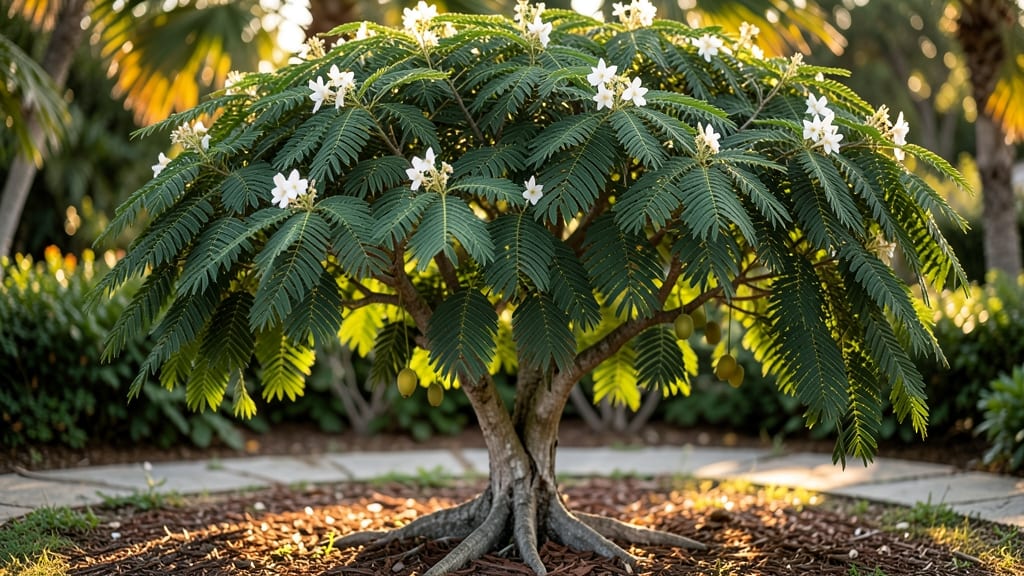
Growing a neem tree in Arizona isn’t just possible—it’s a game-changer for desert gardens. 🌵 This drought-tolerant powerhouse thrives where others struggle, offering shade, pest resistance, and even edible fruit. The key?
Understanding how to work with (not against) the extreme heat, alkaline soil, and occasional cold snaps that define Arizona’s climate. Neem trees love full sun—think 6+ hours daily—and handle our 100°F+ summers with ease, but they do need well-draining soil to avoid root rot.
Most Arizona soils are alkaline, so mix in compost or gypsum to sweeten the pH before planting. Water deeply once a week once established (they hate soggy feet), and watch them grow into a 15-20 foot shade provider in just a few years.
What you’ll love most is how low-maintenance they are. Neem trees naturally repel pests like aphids and whiteflies, so you’ll spend less time spraying and more time admiring their glossy, compound leaves.
Plus, the small white flowers in spring and bitter fruit later on add unexpected beauty to your landscape. Here’s the secret: mulch heavily to retain moisture, and protect young trees from 20°F cold snaps with frost cloth.
With these tweaks, your neem will outlast cacti and thrive where many plants give up.
📚 In This Guide
- What you need
- Instructions
- Tips and common mistakes
- Wrapping up and next steps
What you need
- ○ Ready to grow your own neem tree in Arizona’s desert climate? Here’s everything you’ll need to get started—from essential supplies to optional upgrades for a thriving, low-maintenance tree! 🌵🌱
Step-by-step instructions for planting and caring for neem trees in Arizona
This desert-friendly approach keeps your neem thriving year-round with minimal fuss.
🌱 Step 1: Choose the Right Location and Prepare the Soil
Neem trees love full sun—at least 6-8 hours daily—so pick a spot with no afternoon shade. In Arizona’s intense heat, morning sun exposure helps prevent leaf scorch. The tree’s native habitat is dry, so avoid low-lying areas where water pools. Dig a hole twice as wide as the root ball but only as deep—planting too deep suffocates the roots.
Amend the native soil with 3 inches of compost mixed into the top 12 inches of the hole. Neem trees tolerate poor soil but grow best when the pH is 6.5-7.5. If your soil is alkaline (common in Arizona), add sulfur to lower the pH gradually. Test the soil before planting—neem trees won’t thrive in highly alkaline conditions.
🪴 Step 2: Plant the Neem Tree at the Right Time and Depth
Plant in late winter or early spring when temperatures are mild—50-70°F—to give roots time to establish before summer’s heat. Avoid planting in summer’s peak (June-August) when soil temperatures exceed 90°F, which stresses young roots. If you must plant in summer, use shade cloth to protect the tree for the first 4-6 weeks.
Place the tree in the hole so the top of the root ball sits level with the ground—never mound soil against the trunk. Backfill with native soil mixed with compost, tamping gently to remove air pockets. Water deeply immediately after planting to settle the soil and encourage root contact. Mulch with 2-3 inches of wood chips around the base, keeping mulch 6 inches away from the trunk to prevent rot.
☀️ Step 3: Water Deeply but Infrequently to Build Drought Tolerance
Neem trees are drought-tolerant once established, but young trees need consistent moisture for the first 12-18 months. Water deeply every 7-10 days during the growing season (spring and fall), soaking the soil to a depth of 18 inches. Check moisture by sticking your finger 3 inches into the soil—if it’s dry, water again. Overwatering is worse than underwatering; neem trees hate soggy roots.
Reduce watering in winter to once every 2-3 weeks, unless temperatures drop below 40°F, which can stress the tree. In Arizona’s extreme heat, drip irrigation is ideal—it delivers water slowly at the root zone, reducing evaporation and fungal risks. Avoid overhead watering, which can promote leaf diseases in the humid monsoon season.
✂️ Step 4: Prune for Shape and Health During Dormant Season
Prune neem trees once a year in late winter (February-March) before new growth begins. Remove dead, diseased, or crossing branches first—these compete with healthy growth and invite pests. Thin the canopy to allow sunlight to reach the inner branches, which prevents fungal issues. Aim for an open, vase-like shape to improve airflow and reduce heat stress.
Never prune more than 25% of the canopy in one season—neem trees are slow to recover from heavy cuts. Sterilize your pruners with rubbing alcohol between cuts to prevent spreading disease. After pruning, apply a balanced fertilizer (10-10-10) lightly around the root zone to support regrowth. Avoid fertilizing in summer, when the tree is dormant.
🌿 Step 5: Monitor for Pests and Diseases Common in Arizona
Neem trees are naturally resistant to many pests, but Arizona’s scaly insects, aphids, and spider mites can still attack. Inspect the undersides of leaves weekly for sticky residue (aphids) or fine webbing (mites). If you spot pests, spray with neem oil (diluted to 1% concentration) in the early morning or evening to avoid burning leaves in the heat. Reapply every 7-10 days until pests are gone.
Watch for leaf spot diseases during monsoon season—yellow or brown spots on leaves signal fungal infection. Improve airflow by pruning and avoid overhead watering. If needed, treat with copper fungicide sparingly. Neem trees rarely suffer from root rot, but if the trunk feels soft or the leaves yellow despite proper watering, your tree may be overwatered or in poorly draining soil. Adjust your care routine immediately.
Tips & tricks for desert-climate neem tree success
Real talk: Arizona’s climate can make or break your neem tree if you don’t account for its quirks. These insights will help you navigate the heat, soil, and seasonal shifts like a pro.
Sunlight Strategy: While neem trees need that full sun (6-8 hours daily), morning-only exposure works best in Arizona’s extreme heat. If you’re planting near a wall or other structure that blocks afternoon sun, position the tree slightly to the east. I’ve seen trees in west-facing spots develop leaf scorch by early afternoon—those crispy brown edges are a sure sign you’ve got too much direct midday sun. For container-grown trees, rotate the pot every few weeks to ensure even sun exposure all around the canopy.
Soil pH Precision: That 6.5-7.5 pH range isn’t just a suggestion—it’s critical for nutrient uptake. I learned this the hard way after planting in my backyard’s naturally alkaline soil (common in Arizona). Use a soil test kit before planting, and if you need to adjust, apply sulfur gradually over several months. A sudden pH drop can stress the tree more than the alkaline conditions. For established trees, a slow-release sulfur product applied annually in early spring keeps the pH stable without shocking the roots.
Watering Wisdom: The 7-10 day watering schedule works perfectly when your soil drains well, but Arizona’s clay-heavy soils can trap moisture. To test drainage, dig a hole twice the width of the root ball and fill it with water—if it’s still damp after 24 hours, you’ve got poor drainage. In these cases, water less frequently but more deeply to encourage root growth downward. For container-grown neem trees, use pots with drainage holes and a well-draining cactus/succulent mix to prevent root rot during those inevitable monsoon downpours.
Pest Prevention: Those weekly leaf inspections are non-negotiable, especially during Arizona’s monsoon season when humidity spikes. I’ve found that neem oil works best when applied preventatively—spray the undersides of leaves every 4-6 weeks during growing season, even if you don’t see pests. The key is consistency: pests establish themselves quickly in Arizona’s warm climate, and once they’re there, they’re hard to eradicate. Keep a spray bottle of diluted neem oil (1% concentration) handy for those quick treatments between your scheduled applications.
Pro Tips for Neem Tree Arizona
- Real talk: Arizona’s climate can make or break your neem tree if you don’t account for its quirks.
- Sunlight Strategy: While neem trees need that full sun (6-8 hours daily), morning-only exposure works best in Arizona’s extreme heat.
- Soil pH Precision: That 6.5-7.5 pH range isn’t just a suggestion—it’s critical for nutrient uptake.
Frequently asked questions
Got questions about growing a neem tree in Arizona’s desert climate? You’re not alone!
Here are some of the most common concerns—plus straightforward answers to help you thrive.
Can a neem tree survive Arizona’s extreme heat and drought?
A neem tree thrives in Arizona’s desert conditions—it’s drought-tolerant once established and handles heat up to 110°F (43°C). Just avoid waterlogging and provide well-draining soil with occasional deep watering (every 2–3 weeks in summer). Mulch helps retain moisture and regulate soil temp.
How fast does a neem tree grow in Arizona?
Neem trees grow moderately fast—expect 1–2 feet per year in ideal conditions (full sun, good drainage). In Arizona’s heat, growth may slow slightly but speeds up with consistent watering during the first 2 years. Patience pays off: mature trees can reach 20–40 feet tall!
Do I need to prune my neem tree in Arizona?
Pruning is optional but helpful for shaping or removing dead branches. The best time is late winter or early spring (before new growth). Avoid heavy pruning in summer—it stresses the tree. Use sterilized tools to prevent disease, and focus on airflow to deter pests like aphids.
What are the signs of overwatering vs. underwatering a neem tree?
| Overwatering | Underwatering |
|---|---|
|
|
Fix:
Let soil dry 2–3 inches deep between waterings. Arizona’s clay soil? Amend with compost to improve drainage.
Are there neem tree alternatives for Arizona if I want something similar?
If neem’s slow growth or strong scent aren’t your style, try these desert-friendly alternatives with similar benefits:
- Morning Glory Vine (fast-growing, pest-repellent)
- Desert Willow (drought-tolerant, fragrant flowers)
- Texas Sage (native, low-water, aromatic)
- Pomegranate (edible + pest-deterrent)
Pro tip: If you love neem’s medicinal properties, consider growing desert marigold (Tagetes lemmonii)—it repels pests too!
Wrapping up and next steps
Growing a neem tree in Arizona’s desert climate is not just possible—it’s rewarding!
With the right soil, watering routine, and a little patience, you’ll enjoy year-round benefits like natural pest control, fragrant flowers, and even edible fruit. 🌵✨ Whether you’re a seasoned gardener or just starting, this resilient tree is a fantastic addition to your landscape.
Ready to take the next step? Start small—plant a sapling or seed today, monitor its progress, and watch it thrive under Arizona’s sun. Your desert oasis (and your wallet) will thank you!