
Pruning
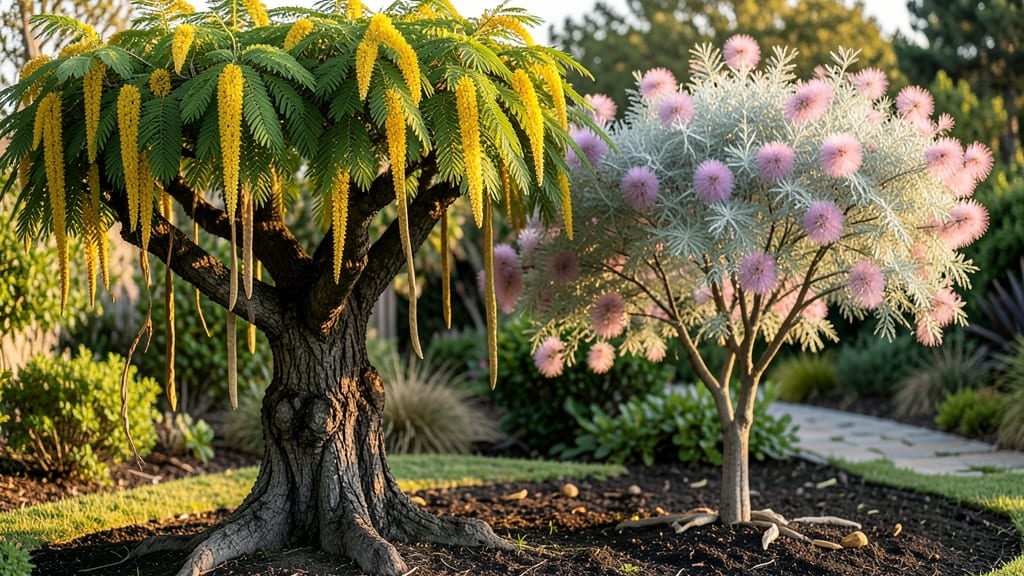
Deciding between a monkeypod tree and mimosa means choosing between desert resilience and delicate grace. 🌵 Both trees bring stunning foliage and flowers, but their care needs couldn’t be more different—one thrives on neglect, while the other demands attention.
I’ve pruned both in my own yard, and the differences in growth habits, pruning schedules, and even how they handle drought will surprise you.
The monkeypod’s feathery yellow blooms and spiky seed pods scream "dry climate," while the mimosa’s fluffy pink pom-poms and compound leaves feel like a breath of spring. My monkeypod barely needs water once established, while my mimosa wilts under the same conditions.
Pruning one is about shaping its natural wildness; pruning the other is about controlling its aggressive growth before it takes over your yard.
You’ll end up with a tree that either stays compact with minimal effort or one that rewards you with lush, fragrant blooms if you stay on top of its needs.
Both are stunning, but the right choice depends on your climate, soil, and how much maintenance you’re willing to commit to—because these two couldn’t be more opposite in their care routines.
Here’s the kicker: the monkeypod’s drought-tolerant roots make it a low-maintenance star in hot, dry regions, while the mimosa’s fast growth means it’s perfect for filling space quickly—but only if you’re ready to prune aggressively to keep it in check.
My mimosa nearly became a small forest last summer until I learned the hard way that late winter pruning is non-negotiable for keeping it under control.
Pick the monkeypod if you want a tough, low-water tree that still packs visual punch, or go for the mimosa if you love romantic, airy blooms and don’t mind putting in the work. Both are fantastic in the right setting—just know which one fits your garden’s personality before you plant.
The first product explained
Meet your new pruning partner in crime: the Fiskars X27 Ergo Pruning Saw—a game-changer for tackling those monkeypod tree and mimosa branches like a pro! 🌿✨ This powerhouse is designed to make your pruning tasks easier, safer, and more efficient, whether you're trimming back overgrown limbs or shaping your trees for optimal growth.
📏 Specs & Features
Don’t let the sleek design fool you—this saw packs a punch with:
- 7-inch carbon steel blade for clean, precise cuts (no more jagged edges!).
- Ergonomic handle with a soft-grip coating to reduce fatigue during long pruning sessions.
- Adjustable hook-and-loop blade tension for quick changes or sharpening.
- Lightweight (just 2.1 lbs!) yet sturdy enough for thick branches up to 2.5 inches in diameter.
- Rust-resistant coating to keep it in top shape for years.
🎯 Target Users
This pruning saw is perfect for:
- Home gardeners looking to maintain their monkeypod or mimosa trees with ease.
- Landscaping enthusiasts who need a reliable tool for regular pruning tasks.
- Small-scale farmers or orchard owners managing larger properties.
- DIYers who want a high-quality tool without breaking the bank.
💰 Price Point & Value
Priced at $39.99, the Fiskars X27 Ergo Pruning Saw offers exceptional value for its durability and performance. While it’s an investment upfront, its long-lasting build and ease of use make it a cost-effective choice over time. Plus, you’ll save on potential tree service calls—win-win!
Pro Tip: 💡 Pair this saw with a pair of pruning shears for smaller branches, and you’ll have a pruning duo that covers all your bases!
The second product explained
If the Monkeypod Tree (Leucaena leucocephala) is the rugged, drought-resistant heavyweight, then the Mimosa Tree (Albizia julibrissin) is the elegant, fast-growing showstopper that steals the spotlight with its fluffy pink blooms. 🌸 Let’s dive into why gardeners adore this delicate yet hardy tree and how to keep it thriving with the right pruning care.
Key Specs & Features
The Mimosa Tree is a deciduous beauty known for its:
- Height: 20–30 feet (6–9 meters) at maturity, with some varieties reaching up to 40 feet.
- Spread: 15–25 feet (4.5–7.5 meters) wide, creating a stunning canopy.
- Foliage: Fern-like, compound leaves that turn golden-yellow in fall.
- Flowers: Iconic, pink, pom-pom-shaped blossoms that bloom in late spring to early summer.
- Growth Rate: Fast-growing (1–2 feet per year), making it a favorite for quick shade and beauty.
- Hardiness Zones: 6–9, though it thrives best in zones 7–9.
- Soil Tolerance: Adaptable but prefers well-draining, slightly acidic to neutral soil.
Who Should Grow This Tree?
The Mimosa Tree is perfect for:
- 🌿 Homeowners who want a low-maintenance tree with seasonal color.
- 🏡 Landscapers looking to add a dramatic focal point to gardens or parks.
- 🐝 Pollinator-friendly gardeners—its flowers attract bees and butterflies!
- 🌳 Urban planners needing a fast-growing shade tree for streets or courtyards.
Price Point & Availability
Pricing varies based on size and supplier, but here’s a general range:
| Size | Price Range (USD) | Best For |
|---|---|---|
| 1–3 gallons (container-grown) | $40–$80 | Small gardens, new plantings |
| 7–15 gallons (established) | $120–$250 | Medium to large landscapes |
| Ball & burlap (mature trees) | $300–$600+ | Instant shade, large properties |
💡 Pro Tip: Check local nurseries for seasonal sales—Mimosa trees are often discounted in late fall or winter when demand is lower!
While the Monkeypod Tree might be the tough guy of the duo, the Mimosa Tree is the charming, floral superstar that brings joy and movement to any landscape. With the right pruning—we’ll cover that next!—it’ll reward you with years of breathtaking blooms and effortless elegance.
Head-to-head comparison
Ready to dive into the nitty-gritty of pruning your Monkeypod Tree vs. Mimosa? Let’s break down how these two trees stack up across key dimensions—so you can keep them thriving all year long!
Whether you’re a seasoned gardener or just starting out, this side-by-side comparison will help you make informed decisions for your green space. 🌿✂️
🌱 Growth Habits & Natural Structure
The way these trees grow naturally can drastically influence your pruning approach. Here’s how they differ:
- Monkeypod Tree (Albizia julibrissin):
- Fast-growing with a round, vase-shaped canopy—think of a lush, airy umbrella.
- Tends to grow upright but sprawling, with a tendency to develop multiple trunks over time.
- Droops its fuzzy, pinkish-white flowers (called "silk" flowers) in summer, which can create a "snowstorm" effect.
- Leaves are ferns-like and compound, meaning they’re made up of many small leaflets.
- Mimosa (Albizia julibrissin, same species but often confused with Acacia or Mimosa pudica):
- Grows in a slightly more open, irregular shape compared to the Monkeypod, with a weeping habit.
- Often single-trunked unless pruned to encourage multiple stems.
- Flowers are bright pink and fluffy, similar to the Monkeypod but may appear slightly denser.
- Leaves are bipinnate (double-compound), giving them a finer, more delicate look.
Pro Tip: 💡 If you’re growing these in a small space, the Monkeypod’s natural shape might be easier to manage, while the Mimosa’s weeping branches can add a dramatic, cascading effect—just be prepared for more frequent pruning!
🌿 Pruning Needs: When and Why
Pruning timing and frequency can make or break the health of your tree. Here’s what each tree demands:
| Factor | Monkeypod Tree | Mimosa |
|---|---|---|
| Best Time to Prune |
|
|
| Frequency | 1-2 times per year (major pruning in late winter/early spring, minor touch-ups as needed). | 1-2 times per year, but may require more frequent light pruning to maintain its weeping shape. |
| Why Prune? |
|
|
| Special Considerations |
Watch for aggressive suckering—remove these promptly to avoid overcrowding. |
Be cautious with over-pruning—Mimosas can look sparse if you cut too much at once. |
Pro Tip: ✂️ Always use sharp, sterilized pruners to avoid spreading disease. For larger branches, opt for a pruning saw and make clean cuts just outside the branch collar.
💰 Maintenance Costs and Effort
Let’s talk about the real costs—not just in dollars, but in time and effort. Here’s what to expect:
- Monkeypod Tree:
- Labor: Moderate. Requires regular pruning to control its fast growth and sprawling habit.
- Tools Needed: Hand pruners, loppers, and possibly a pruning saw for thicker branches.
- Cost: Low to moderate. You might invest in a pole saw for higher branches.
- Long-Term Care: Watch for pests like aphids or spider mites—prune to improve airflow and reduce risks.
- Mimosa:
- Labor: Moderate to high. Its weeping branches require more frequent shaping to maintain its elegant form.
- Tools Needed: Similar to the Monkeypod, but you may need to prune lower branches more often to encourage the cascading effect.
- Cost: Moderate. You might need to replace tools more often due to the tree’s tendency to shed leaves and twigs.
- Long-Term Care: More prone to leaf drop, so regular cleanup is a must to avoid a messy yard.
Pro Tip: 🌡️ If you’re in a hot, dry climate, both trees will benefit from mulching to retain moisture and reduce the need for frequent watering (which can stress the tree and require more pruning).
🌳 Durability & Longevity
How long will your tree last, and how resilient is it to common issues? Here’s the breakdown:
| Factor | Monkeypod Tree | Mimosa | |||||||||||||||
|---|---|---|---|---|---|---|---|---|---|---|---|---|---|---|---|---|---|
| Lifespan | 20-30 years with proper care (can live longer in ideal conditions). | 15-25 years (often shorter due to susceptibility to pests and diseases). | |||||||||||||||
| Disease Resistance |
|
Which one should you choose?So, which tree is the right fit for your garden or landscape? The choice between a Monkeypod Tree and a Mimosa Tree depends on your priorities—whether it’s low-maintenance beauty, fast growth, or year-round interest. Here’s your tailored verdict and recommendation to help you decide: 🌳 Pick the Monkeypod Tree If...🌿 Pick the Mimosa Tree If...🏡 Special Scenarios
Pro Tip: 💡 If you’re torn, consider planting both! Use the Monkeypod as a statement focal point in dry areas and the Mimosa for quick shade or fragrance in cooler spots. Just ensure they have enough space to thrive—Monkeypod can reach 30+ feet, while Mimosa tops out at 20-30 feet. Now that you’ve weighed the options, grab your pruners and get to work—your dream tree (or trees!) are waiting! ✂️🌿 |