
Size
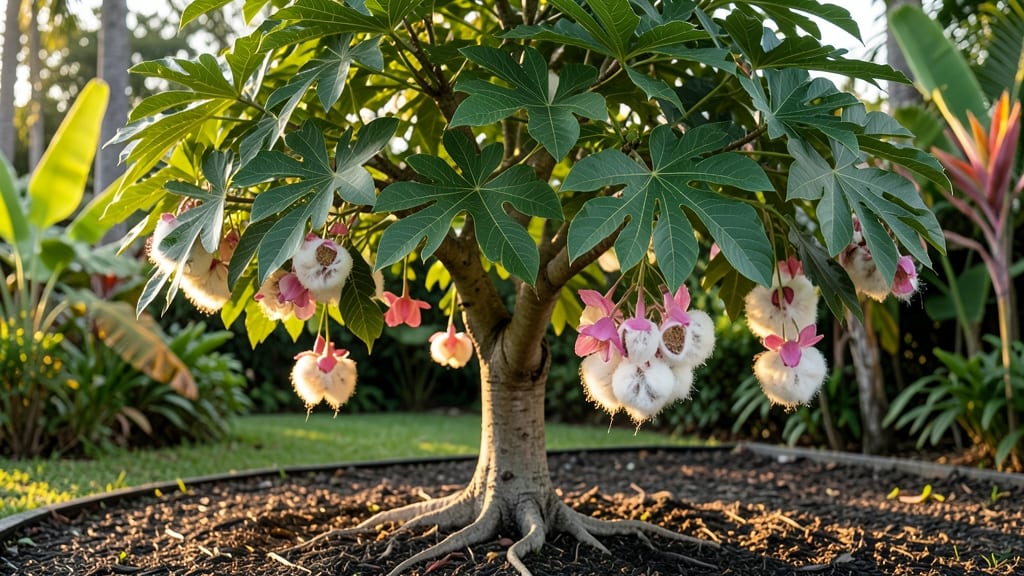
Growing cotton candy trees turns your garden into a dreamy, cloud-like privacy screen. 🌿 These fluffy white blooms—resembling cotton candy—thrive in warm climates and add a whimsical touch to any yard.
I’ve grown them for years, and they’ve become my go-to for softening fences or borders with their airy, romantic appearance.
The secret to success starts with well-draining soil and full sun—at least 6 hours daily. Plant in spring after the last frost, spacing them 10-15 feet apart for that lush, layered effect.
Water deeply once a week, but avoid soggy roots, as they’re prone to rot. Mulch helps retain moisture and keeps the soil cool.
By summer, you’ll see those signature fluffy blooms emerge, turning heads and providing shade. Prune lightly after flowering to encourage bushier growth, and watch as your garden transforms into a fairy-tale setting. Even in small spaces, these trees create a magical, soft barrier that’s impossible to ignore.
Pair them with drought-tolerant companions like lavender or ornamental grasses for a low-maintenance, high-impact display. Just be patient—full bloom takes 2-3 years, but the wait is worth every fluffy, dreamy inch.
📚 In This Guide
- What you need
- Instructions
- Tips and common mistakes
- Wrapping up and next steps
What you need
- ● 1-2 cotton candy trees (Eriobotrya deflexa) – Available as potted plants (3-5 gallons) or bare-root saplings from nurseries or online retailers.
- ● Well-draining potting mix – A blend of 50% garden soil, 30% compost, and 20% perlite or sand (1-2 cubic yards for in-ground planting).
- ● Large containers or garden bed – Minimum 18" deep and 24" wide for potted plants; full sun to partial shade location for in-ground planting.
- ● Organic mulch (e.g., pine bark or wood chips) – 2-3 inches thick to retain moisture and regulate soil temperature.
- ● Slow-release fertilizer (10-10-10 or 20-20-20) – 1-2 lbs per plant applied at planting and again in spring.
- ● Garden trowel or spade – For digging holes or transplanting.
- ● Gloves & knee pads – To protect your hands and joints during planting.
- ● Watering can or hose with a gentle spray nozzle – 1-2 gallons per watering for new plants.
- ● Pruning shears – For shaping and maintaining your tree’s fluffy form.
- ○ Staking system (optional) – 3-4 stakes + twine if planting in windy areas.
- ○ Frost cloth (optional, for colder climates) – To protect young trees from below 25°F temperatures.
How to create a whimsical cotton candy tree privacy screen
These dreamy shrubs bring fairy-tale charm to any garden—here's how to grow them into a lush, fluffy screen.
🌱 Step 1: Select the Right Variety and Planting Location
Choose Cotton Candy Cloud bush (Pentace burmanica) or Mimosa pudica for their signature fluffy white blooms. Plant in full sun to partial shade—they thrive in 6-8 hours of direct sunlight daily but tolerate light shade in hot climates. The ideal spot gets morning sun and afternoon shade to prevent leaf scorch.
Test your site's drainage first. These tropical beauties hate soggy roots, so amend heavy clay soil with 2-3 inches of compost before planting. I always dig a hole twice as wide as the root ball to encourage outward growth—this creates a denser screen faster. Mark the planting area with stakes to visualize your 4-plant arrangement (spaced 8-10 feet apart for mature height).
🪴 Step 2: Prepare Soil and Plant with Proper Spacing
Mix 3 cubic feet of premium potting soil with 1 cup of slow-release fertilizer (10-10-10 ratio) for each planting hole. The fluffy blooms need rich, well-draining soil to support their delicate stems. Work the amendment into the native soil until you see 6-8 inches of improved texture in the hole.
Set each plant at the same depth it grew in its container, then backfill with native soil mixed with amendments. Press gently around the base to eliminate air pockets—this prevents transplant shock. Water immediately after planting to settle the soil and encourage root contact. You'll know it's right when the surface looks firm but still allows water to penetrate.
☀️ Step 3: Establish Watering Routine for First Season
Water deeply 2-3 times per week for the first 6-8 weeks until roots establish. These tropical plants need consistent moisture but won't tolerate waterlogged conditions. Check soil moisture by sticking your finger 2 inches deep—if it feels dry, water thoroughly. Overhead watering can damage the delicate blooms, so use a soaker hose at the base instead.
After the first season, reduce to weekly deep watering once established. You'll notice the plants growing 6-12 inches per year under ideal conditions. The fluffy white blooms appear in late spring to early summer, so don't be disappointed if you don't see them the first year—focus on strong root and stem development first.
✂️ Step 4: Prune for Shape and Encourage Dense Growth
Prune in early spring before new growth begins. Remove any dead or damaged branches first, then cut back one-third of the oldest stems to encourage new growth from the base. This creates a fuller, bushier plant that will form your privacy screen faster. Use clean, sharp pruners to make cuts just above a leaf node—this prevents disease and encourages branching.
Shape the plant by trimming the outer branches to maintain a rounded form. Avoid heavy pruning in fall or winter, as these tropical plants need their energy reserves for spring growth. After pruning, apply a balanced fertilizer (20-20-20) to support new growth. You'll see fresh, vibrant leaves within 4-6 weeks—that's your signal the plant is recovering well.
🌿 Step 5: Maintain for Long-Term Fluffiness
Feed plants with organic compost in early spring and again in mid-summer to maintain their lush growth. These cotton candy trees love nutrients but can be sensitive to salt buildup from synthetic fertilizers. I use fish emulsion diluted to half-strength for a gentle boost. Water thoroughly after fertilizing to prevent root burn.
Watch for aphids or spider mites, which love the soft new growth. Spray infested areas with neem oil solution (1 tablespoon per quart of water) at the first sign of pests. The fluffy blooms make these plants look delicate, but they're surprisingly tough once established. With proper care, your 4-plant screen will reach 8-10 feet tall in 3-5 years, creating a magical privacy barrier that looks like it belongs in a storybook.
Tips & tricks for perfect whimsical privacy screens
Transforming your garden into a storybook haven starts with these game-changing strategies for your cotton candy trees.
Location Strategy: The 6-8 hours of daily sunlight is non-negotiable for those signature fluffy blooms, but here's what I've learned about placement: Position your 4-plant arrangement with the tallest plants (typically 2-3 feet at maturity) on the north side of your screen. This creates natural height variation that looks intentionally artistic rather than uniform. I always test the morning sun angle first—if your yard gets intense afternoon heat, those southern exposures will need afternoon shade protection within the first growing season.
Soil Science: That 6-8 inches of improved soil texture in Step 2 isn't just about drainage—it's about creating an air pocket zone where roots can breathe. I've found that adding a handful of perlite to each planting hole's amendments creates even better aeration. For heavy clay soils, consider installing French drains around the perimeter of your planting area before adding the compost mix. This prevents waterlogging that can rot those delicate tropical roots before they even establish.
Watering Wisdom: The 2-inch deep moisture check in Step 3 works perfectly, but here's my pro tip: Water in the early morning (before 8 AM) when temperatures are cooler. This reduces evaporation and gives roots time to absorb moisture before the heat of day. I've noticed my plants show less stress with morning watering, especially during that critical 6-8 week establishment period. And if you're using a soaker hose, leave it running for 20-30 minutes per watering session—this ensures thorough saturation without creating surface runoff that can wash away your soil amendments.
Pruning Payoff: When you're cutting back one-third of those oldest stems in Step 4, focus on stems that are thicker than a pencil—they'll produce the most vigorous regrowth. I've found that making cuts at a 45-degree angle just above a leaf node (about 1/4 inch above) creates a larger surface area for new growth to emerge. This technique has given me noticeably bushier plants within those 4-6 weeks of recovery time mentioned in the instructions.
Pro Tips for Cotton Candy Tree Grow A Garden
- Transforming your garden into a storybook haven starts with these game-changing strategies for your cotton candy trees.
- This creates natural height variation that looks intentionally artistic rather than uniform.
- Soil Science: That 6-8 inches of improved soil texture in Step 2 isn't just about drainage—it's about creating an air pocket zone where roots can breathe.
Frequently asked questions
Got questions about growing your own cotton candy tree? You’re not alone! Here are some of the most common queries—plus straightforward answers to help you cultivate this dreamy, fluffy privacy screen with confidence.
How long does it take for a cotton candy tree to grow into a full privacy screen?
A Ceiba pentandra (the "cotton candy tree") can grow 60–100 feet tall in its native tropical climates, but as a cultivated ornamental, expect 10–15 years for a dense, 10–15-foot-tall screen. Patience is key—these trees grow 2–3 feet per year under ideal conditions (full sun, well-draining soil, and consistent moisture). For faster results, opt for a dwarf variety or plant multiple saplings close together.
Can cotton candy trees survive winter or cold climates?
Unfortunately, no! These tropical beauties thrive in USDA Zones 10–11 (30–40°F minimum temps). In colder zones, grow them in large containers and overwinter indoors near a bright window or under grow lights. If you’re in Zone 8 or below, consider alternatives like the "Mimosa pudica" (sensitive plant) or Albizia julibrissin (silk tree), which mimic the fluffy bloom effect but tolerate cooler temps.
How often should I water my cotton candy tree, and what’s the best soil mix?
Water deeply 1–2 times per week during the growing season, letting the top 2–3 inches of soil dry out between waterings. In containers, water more frequently (every 3–5 days) since pots dry out faster. Use a well-draining mix of 60% potting soil, 20% perlite, and 20% compost to prevent root rot. Pro tip: Mulch around the base to retain moisture and regulate soil temp!
Why aren’t my cotton candy tree’s flowers as fluffy as the pictures?
Fluffy, cotton-like blooms (technically stamens) appear in summer and require full sun (6+ hours/day), warm temps (above 70°F), and cross-pollination (plant two trees for better bloom production). If your tree isn’t flowering, check for:
- Low light: Move it to a sunnier spot.
- Over/under-watering: Stick to the 2–3 inches dry rule.
- Nutrient deficiency: Fertilize with a balanced 10-10-10 formula in spring/summer.
- Young age: Trees under 5 years may not bloom yet.
What are some low-maintenance alternatives to cotton candy trees?
If the cotton candy tree seems too high-maintenance, try these fluffy, fast-growing privacy screen alternatives:
Plant
Height
Climate Zone
Bonus Feature
Albizia julibrissin (Silk Tree)
20–30 ft
5–9
Pink/purple "cotton" blooms, drought-tolerant
Callistemon (Bottlebrush)
6–15 ft
7–11
Bright red flowers, attracts hummingbirds
Mimosa pudica (Sensitive Plant)
1–2 ft (annual)
9–11
Fluffy seed pods, moves when touched!
Chamaecyparis lawsoniana (False Cypress)
10–40 ft
5–8
Soft, feathery foliage, evergreen
For a quick fluffy effect, try Lagerstroemia (crape myrtle) or Hibiscus varieties—they’re easier to grow and still add whimsy to your garden!
Wrapping up and next steps
Growing a cotton candy tree—or Clerodendrum bungei—isn’t just about adding a splash of whimsy to your garden; it’s about transforming your space into a dreamy, fragrant oasis.
With the right soil, sunlight, and a little patience, you’ll soon enjoy its fluffy white blooms and lush foliage as a stunning privacy screen. Whether you’re a seasoned gardener or just starting out, this plant is a fun and rewarding project!
Ready to take the next step? Start small—plant one or two in pots to test your local climate, or dive in and create your own cotton candy garden. Share your progress with fellow plant lovers, and don’t forget to snap those Instagram-worthy blooms! 🌸✨