
Pruning
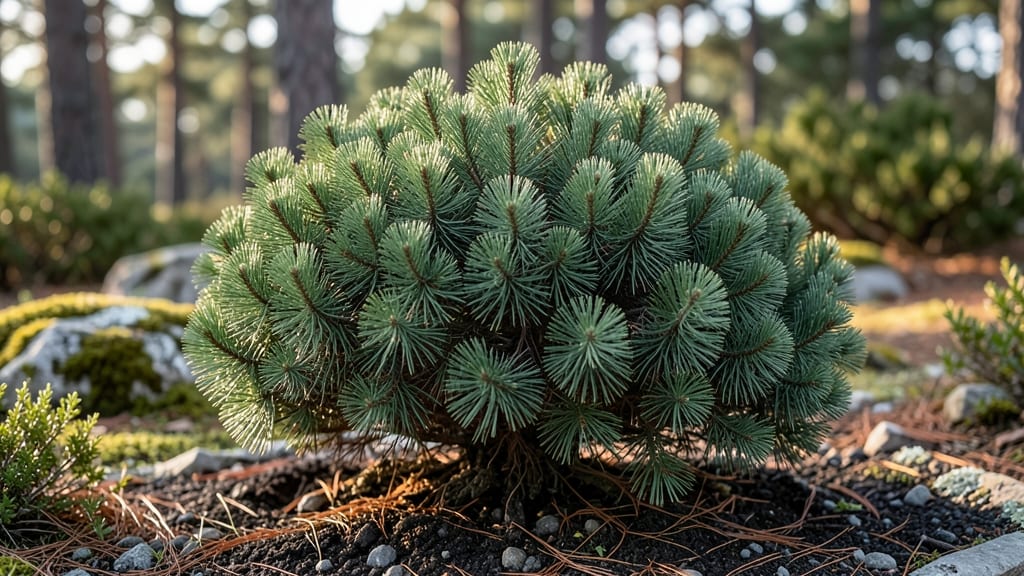
This real mini pine tree delivers year-round privacy without the bulk of full-sized trees. 🌲 I've grown these stately little evergreens as living room dividers, container centerpieces, and even as tiny topiaries—each one stays under 6 feet tall while providing the same dense, fragrant foliage as their giant cousins.
The key? Choosing the right dwarf variety for your space and climate, then mimicking their natural mountain habitat in your garden.
These pines thrive in full sun and well-draining soil, making them perfect for rocky slopes, container gardens, or even indoor winter displays. My Pinus sylvestris 'Beuvron' stays compact enough for a large pot but develops the same rugged charm as a forest sentinel.
Watering is simple: deep soaks once a week in summer, then almost nothing in winter when they're dormant. The real magic happens when you prune strategically—just a few cuts each spring keeps them shaped and encourages that signature piney aroma.
By autumn, your mini pine will be a textured, fragrant centerpiece that works year-round. Need a windbreak for your patio? A privacy screen for a small yard? Or just a low-maintenance evergreen that looks good in every season?
These trees deliver all that while staying manageable. The best part? They attract birds, repel deer, and never lose their needles—unlike those flimsy plastic alternatives.
Whether you're planting in the ground, a container, or even a large pot for a balcony, the same rules apply. Start with the right variety for your zone, give it good drainage, and resist the urge to overwater.
In just a few years, you'll have a living privacy screen that grows with your garden—without ever outgrowing its space.
📚 In This Guide
- What you need
- Instructions
- Tips and common mistakes
- Wrapping up and next steps
What you need
- ● Miniature pine trees – Choose real dwarf varieties like Pinus mugo (Mugo pine) or Pinus sylvestris (Scots pine). Aim for 10–20 plants per 3-foot section (adjust based on desired density).
- ● Potting soil – 10–15 gallons of well-draining, acidic mix (pH 5.0–6.5). Add perlite or sand (1 part perlite to 3 parts soil) for aeration.
- ● Containers or planters – Large, shallow trays (e.g., 12"x24"x6" for a 3-foot section) or individual pots (5–7" diameter) with drainage holes.
- ● Mulch – 2–3 inches of pine bark mulch or gravel to retain moisture and suppress weeds.
- ● Fertilizer – Slow-release, acid-loving plant fertilizer (e.g., Osmocote or Miracle-Gro Azalea/Camellia).
- ● Garden gloves – Heavy-duty to protect from pine needles.
- ● Hand trowel or spade – For planting and soil prep.
- ● Pruning shears – Bypass pruners (sharp, clean) for shaping.
- ○ Watering can or hose with nozzle – Drip irrigation (optional but ideal for consistency).
- ● Measuring tape – To ensure even spacing (12–18 inches apart for dense growth).
- ○ Stakes or trellis (optional) – For young trees needing support.
- ● Decorative stones or pebbles – For a polished, Zen-garden look.
- ● Solar-powered landscape lights – Highlight your mini pine trees at night!
- ● Evergreen companions – Add boxwood, juniper, or dwarf holly for layered texture.
- ○ Weatherproof paint (optional) – For stylized mini trees (use non-toxic, outdoor-safe brands).
Step-by-step instructions for planting mini pine trees as a privacy screen
Here's how to create a lush, evergreen privacy screen that stays beautiful year-round.
🌱 Step 1: Choose the Right Pine Variety and Planting Spots
For a mini pine privacy screen, dwarf varieties like Mugo pine or Ponderosa pine (grown as a dwarf) work best. These stay under 10 feet tall while providing dense foliage. Space them 3-4 feet apart in rows for a full, natural look.
Select a location with full sun to partial shade—pines thrive in 6+ hours of direct sunlight daily. Check your site's drainage first; pines hate soggy roots. If your soil drains poorly, plant on a slight mound or amend with 1 part sand per 3 parts soil.
🪴 Step 2: Dig Holes and Prepare the Planting Site
Dig holes that are twice as wide as the root ball but only as deep. Loosen the sides of the hole with a shovel to help roots spread. If using 4 dwarf pine trees (as suggested), arrange them in a straight line or staggered pattern for a natural screen effect.
Mix the removed soil with compost or peat moss (if not already amended) to improve fertility. Avoid heavy fertilizers—pines prefer lean, acidic soil. Gently place each tree in its hole, ensuring the root flare (where roots meet the trunk) sits 1 inch above soil level.
☀️ Step 3: Plant and Water for Immediate Stability
Backfill the hole with the amended soil, pressing lightly around the roots to remove air pockets. Water deeply until the soil is evenly moist 6 inches down. You'll know it's right when water pools slightly on the surface but drains within 10-15 minutes.
Mulch around the base with 2-3 inches of pine needles or wood chips, keeping mulch 6 inches away from the trunk to prevent rot. This protects roots from temperature swings and retains moisture. Avoid synthetic mulches—they can suffocate roots over time.
💧 Step 4: Maintain Watering and Light for First-Year Growth
Water newly planted pines once a week during the first growing season, more often in hot, dry weather. Check soil moisture by sticking your finger 2 inches down—water when it feels dry. Overwatering is worse than underwatering for pines.
Fertilize lightly in early spring with a slow-release, acid-loving plant fertilizer. Pines don’t need much—too much nitrogen causes weak, leggy growth. Prune only to remove dead branches or shape as needed; pines tolerate minimal trimming.
⏰ Step 5: Monitor Growth and Adjust for Long-Term Privacy
After 2-3 years, your mini pine screen will fill in beautifully. If gaps appear, consider adding a few extra trees or mixing in evergreen shrubs like boxwood or holly for density. Pines grow slowly, so patience is key—expect 6-12 inches of growth per year.
Watch for pests like pine bark beetles or spider mites. If you spot yellowing needles or sawdust-like frass, treat with neem oil or insecticidal soap. A healthy pine has deep green needles and no visible damage. With proper care, your screen will stay lush and elegant for decades.
Tips & tricks for perfect mini pine tree privacy screens
Creating a stunning evergreen privacy screen takes a little planning—here's how to avoid common pitfalls and ensure your mini pines thrive.
Variety Selection: When choosing between Mugo pine and dwarf Ponderosa pine, consider your climate. Mugo pines handle colder winters better, while Ponderosa varieties offer that classic pine aroma. Both stay under 10 feet, but Mugo grows slightly wider, making it ideal for dense screens. I always opt for Mugo when planting in northern climates—it's simply more resilient.
Planting Depth: The root flare (where roots meet the trunk) should sit 1 inch above soil level—this is critical. If planted too deep, roots can suffocate and rot. I learned this the hard way after losing two saplings from improper depth. Use a pencil to mark the flare before planting as a reference point.
Watering Wisdom: Those 10-15 minutes of drainage time after watering are your best indicator of proper moisture. If water pools for longer, your soil needs more sand amendment. For the first year, I set a timer when watering—this ensures consistent moisture without overdoing it. Pines hate soggy roots more than dry ones!
Mulching Matters: The 2-3 inches of pine needles or wood chips should stay 6 inches from the trunk to prevent rot. I like using pine needles because they naturally acidify the soil over time, which pines love. Just avoid piling mulch against the trunk—it traps too much moisture and can lead to disease.
Pro Tips for Mini Pine Tree Real
- Creating a stunning evergreen privacy screen takes a little planning—here's how to avoid common pitfalls and ensure your mini pines thrive.
- Variety Selection: When choosing between Mugo pine and dwarf Ponderosa pine, consider your climate.
- Planting Depth: The root flare (where roots meet the trunk) should sit 1 inch above soil level—this is critical.
Frequently asked questions
Got questions about mini pine trees as real, low-maintenance privacy screens?
You’re not alone! Here are answers to the most common queries to help you plan with confidence.
How tall can I expect a mini pine tree to grow?
Mini pine trees typically reach 6–12 feet tall at maturity, depending on the variety. Dwarf cultivars like Pinus mugo or Pinus sylvestris ‘Little Gem’ stay compact (3–6 ft), while standard mini pines may grow taller. Check the tag for exact expectations—some stay under 5 feet!
How long does it take for a mini pine tree to provide privacy?
Most mini pines grow 6–12 inches per year, so a 6-foot screen may take 5–10 years to fully fill out. For faster results, plant 3–5 trees per 6-foot section in a staggered row. Patience pays off—they’re evergreen and low-maintenance once established!
Can I plant mini pine trees in containers for small spaces?
Many dwarf varieties thrive in 15–25 gallon containers with well-draining soil. Use a mix of potting soil and perlite, and ensure the pot has drainage holes. Repot every 2–3 years to accommodate root growth. Just remember: container-grown trees may need annual pruning to control size.
Do mini pine trees need winter care?
Mini pines are hardy and drought-tolerant, but young trees benefit from mulch (2–3 inches) around the base to protect roots. In extreme cold (<10°F), wrap the trunk with burlap for extra insulation. Avoid heavy snow buildup—gently brush it off to prevent branch damage.
How and when should I prune my mini pine tree?
Prune in late winter or early spring (before new growth) to shape the tree. Use clean, sharp shears to trim only dead or overgrown branches—avoid heavy pruning, as pines heal slowly. For a denser look, lightly trim the tips of new growth in early summer. Never prune more than 25% of the foliage at once!
Are mini pine trees pest- or disease-prone?
Mini pines are generally resistant to pests, but watch for pine beetles or spider mites in dry conditions. Treat early with neem oil or insecticidal soap. Fungal issues (like needle blight) can occur in poor drainage—ensure soil is well-aerated and avoid overhead watering.
What’s a good alternative if I want faster privacy?
For quicker results, consider bamboo (clumping varieties), arborvitae, or fast-growing shrubs like forsythia. However, mini pines win for year-round greenery and low upkeep. If you need height fast, mix 2–3 mini pines with taller evergreens (like Leyland cypress) for a layered look.
Wrapping up and next steps
Creating a mini pine tree real privacy screen is a rewarding way to bring evergreen elegance to your space—no matter the season! 🌲 Whether you’re trimming overgrown branches, shaping young saplings, or simply maintaining your greenery, the key is patience and precision.
With the right tools and techniques, you’ll enjoy a lush, low-maintenance screen that adds charm and functionality to your outdoor area.
Ready to take the next step? Grab your pruners and start shaping! If you’re new to pruning, consider watching a few tutorials or joining a local gardening group for extra tips. Your future mini pine tree real privacy oasis awaits—happy pruning! ✂️🌿