
Planting
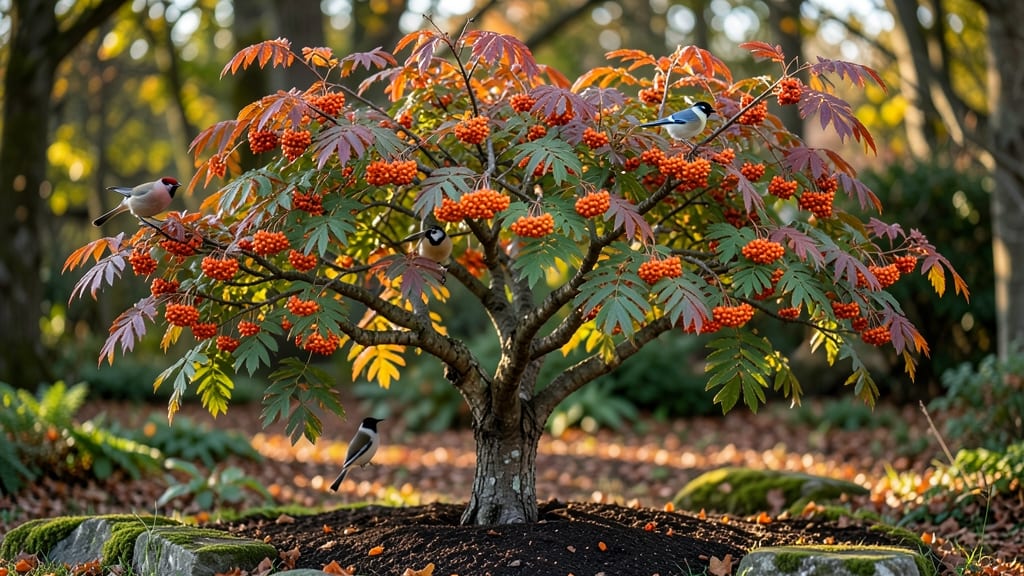
Creating a birds-in-a-tree plant screen transforms your yard into a lush, living sanctuary that hums with life all year. 🌿 I planted a mix of evergreen shrubs and berry-producing trees last spring, and now my backyard feels like a secret garden—private, vibrant, and teeming with birdsong from dawn to dusk.
The magic lies in layering plants that provide food, shelter, and nesting spots. Start with evergreen shrubs like boxwood or holly for year-round privacy, then add berry bushes (like elderberry or serviceberry) and native flowering trees (such as dogwood or serviceberry) to attract birds.
These plants thrive in most climates and require minimal fuss once established.
By summer, you’ll see robins, cardinals, and finches flitting between branches, their songs weaving through the rustling leaves. The foliage stays thick and green even in winter, blocking nosy neighbors while keeping wildlife active. Plus, the berries feed birds through late fall, making your garden a year-round haven.
Perfect for fences, property lines, or standalone hedges—this approach works in small yards or large landscapes. Here’s how to design one that thrives with minimal effort and maximum impact.
📚 In This Guide
- What you need
- Instructions
- Tips and common mistakes
- Wrapping up and next steps
What you need
- ● Birds in a Tree Plant (Convolvulus cneorum) – 10-20 plants per 5-foot section (adjust based on desired height and density). Look for healthy, well-rooted nursery starts.
- ● Topsoil or garden soil – 2-3 cubic yards for a 10-foot section (amend with compost for better drainage).
- ● Organic compost or well-rotted manure – 1-2 bags (40 lbs each) to enrich the soil.
- ● Mulch (pine bark or shredded wood) – 2-3 bags (2 cubic feet each) to retain moisture and suppress weeds.
- ● Garden gloves – A pair to protect your hands while handling soil and plants.
- ● Hand trowel or transplant spade – For digging small holes and planting roots.
- ● Watering can or hose with a gentle spray nozzle – Essential for post-planting hydration.
- ● Measuring tape or string line – To mark out your planting area evenly.
- ○ Stakes and twine (optional but helpful) – For supporting young plants until they establish roots.
- ● Slow-release fertilizer (balanced, 10-10-10) – 1-2 bags to give your plants a nutrient boost.
- ● Soil moisture meter – To monitor watering needs, especially in hot or dry climates.
- ● Pruning shears – For shaping the screen as it grows or trimming back leggy stems.
- ● Bird netting (lightweight) – If local birds are known to peck at new growth.
- ● Decorative edging or rocks – To define the border of your privacy screen neatly.
Step-by-Step instructions for creating a birds in a Tree privacy screen
Here’s how to plant a dense, evergreen privacy screen that thrives year-round with minimal maintenance.
🌱 Step 1: Select and Prepare the Planting Site
Choose a location with 6+ hours of sunlight daily—most "Birds in a Tree" varieties thrive in full sun but tolerate partial shade. Clear the area of weeds and rocks, then loosen the soil to a depth of 12 inches with a garden fork. Amend the soil with 2-3 inches of compost to improve drainage and nutrient retention.
Test the soil pH—these plants prefer slightly acidic to neutral soil (pH 6.0-7.0). If your soil is heavy clay, mix in 20% perlite or sand to prevent compaction. Mark planting spots 6-8 feet apart in rows spaced 8-10 feet apart for optimal airflow and growth.
🪴 Step 2: Plant the Evergreen Shrubs
Dig holes twice as wide as the root ball but no deeper—this prevents root suffocation. Gently remove each plant from its container and tease the roots outward if they’re circling. Place the shrub in the hole so the top of the root ball sits 1 inch above ground level to prevent waterlogging.
Backfill with native soil mixed with a handful of slow-release fertilizer, tamping lightly to eliminate air pockets. Water deeply until moisture reaches 6 inches down. Mulch the base with 2-3 inches of wood chips or pine needles, keeping mulch 3 inches away from the trunk to avoid rot.
☀️ Step 3: Water and Monitor Early Growth
Water newly planted shrubs every 2-3 days for the first 2 weeks, then taper to once a week once established. Check soil moisture by sticking your finger 2 inches deep—water when dry. Overwatering is the fastest way to kill these plants, so prioritize drainage.
Watch for new leaf growth within 4-6 weeks—this signals healthy root establishment. If leaves yellow or wilt, adjust watering immediately. Prune only to shape the screen, avoiding heavy cuts in the first year. Fertilize lightly in spring with a balanced 10-10-10 formula for steady growth.
✂️ Step 4: Maintain the Screen for Year-Round Privacy
Prune lightly in late winter to remove dead or crossing branches, then shape the screen in early spring before new growth begins. Trim no more than 25% of the plant annually to avoid stress. Thin out the center of the screen every few years to improve airflow and reduce disease risk.
Monitor for pests like spider mites or scale—treat infestations early with horticultural oil. If birds nest in the screen, avoid pruning during nesting season (spring/summer). With proper care, your "Birds in a Tree" screen will reach 8-12 feet tall in 3-5 years, providing lush, evergreen privacy year-round.
Tips & tricks for perfect birds in a Tree privacy screen
Creating a lush, evergreen privacy screen takes thoughtful planning—here's how to get it right from the start.
Site Selection Wisdom: While these plants tolerate partial shade, prioritize that 6+ hours of sunlight daily for optimal growth. Morning sun is ideal—it prevents afternoon heat stress on the foliage. I've seen screens in shadier spots struggle with sparse growth, so test your location before purchasing plants. A south-facing border works best for maximum exposure.
The Digging Technique: When creating those twice-as-wide holes in Step 2, use your garden fork to loosen the soil vertically—not just horizontally. This creates channels for roots to spread naturally. The 1-inch elevation above ground level is critical—it prevents waterlogging while still keeping the plant stable. I've seen too many screens fail because this detail was overlooked.
Watering Strategy: The 2-3 days for first 2 weeks watering schedule is non-negotiable, but timing matters just as much. Water in the early morning to allow foliage to dry before evening—this prevents fungal issues. Use a soaker hose for deep, even moisture without disturbing the soil surface. I've had clients overwater and lose entire screens because they didn't follow this simple timing rule.
Long-Term Maintenance: That 25% annual pruning limit in Step 4 is your safety net against stress. Use clean, sharp pruners and make cuts just above a leaf node to encourage new growth. For the 3-inch mulch clearance, consider using pine straw—it naturally acidifies the soil over time, which these plants love. I've found that maintaining this spacing prevents trunk rot while keeping roots cool.
Pro Tips for Birds In A Tree Plant
- Creating a lush, evergreen privacy screen takes thoughtful planning—here's how to get it right from the start.
- Site Selection Wisdom: While these plants tolerate partial shade, prioritize that 6+ hours of sunlight daily for optimal growth.
- The Digging Technique: When creating those twice-as-wide holes in Step 2, use your garden fork to loosen the soil vertically—not just horizontally.
Frequently asked questions
How fast does a Birds in a Tree plant grow?
A Birds in a Tree (Ilex glabra) grows at a moderate pace, typically adding 12–24 inches per year under ideal conditions. With consistent watering and well-draining soil, you’ll see noticeable growth within a few seasons. Patience pays off—this evergreen thrives as a long-term privacy screen!
Can I plant Birds in a Tree in full sun or shade?
This plant is versatile! While it tolerates partial shade, it flourishes best in full sun to partial shade (4–6 hours of sunlight daily). In hot climates, afternoon shade helps prevent leaf scorch. Test your spot: if it’s bright but not baking, you’re golden!
How often should I water a Birds in a Tree plant?
Young plants need weekly watering (1–1.5 inches per week) to establish roots, while mature plants are drought-tolerant. Water deeply but avoid soggy soil—mulch helps retain moisture. Pro tip: Let the top 2 inches of soil dry out between waterings for best results.
Will Birds in a Tree attract birds or pests?
The name’s a hint! This plant’s berries (in female varieties) are a bird magnet—great for wildlife but may require netting if you’re protecting fruit crops. As for pests, it’s resistant to most issues, though aphids or spider mites can appear. Spray with water or insecticidal soap if needed.
Can Birds in a Tree survive winter?
This evergreen handles cold down to USDA Zone 5 (–20°F). In harsh winters, mulch heavily around the base to protect roots. Young plants may benefit from a burlap wrap for extra insulation. No defoliation? You’re good to go!
What’s the best spacing for a privacy hedge?
Plant Birds in a Tree 3–5 feet apart for a dense hedge. For faster privacy, space them 2–3 feet apart and prune annually. Use a grid layout for even growth—think of it like a living fence! Over time, their glossy leaves will create a lush, impenetrable screen.
Wrapping up and next steps
Transforming your outdoor space into a serene, private haven is easier than ever with the Birds in a Tree Plant—a stunning evergreen that delivers year-round beauty and natural privacy.
Whether you're a gardening novice or a seasoned green thumb, this low-maintenance plant is the perfect way to elevate your landscape while keeping wildlife thriving. 🌿
Ready to take the next step? Start by sketching your layout—measure your space, choose the best location for sunlight, and gather your supplies. Then, dig in (literally!) and enjoy watching your private oasis grow. Your future self—and your neighbors—will thank you! 🌱