
Pruning
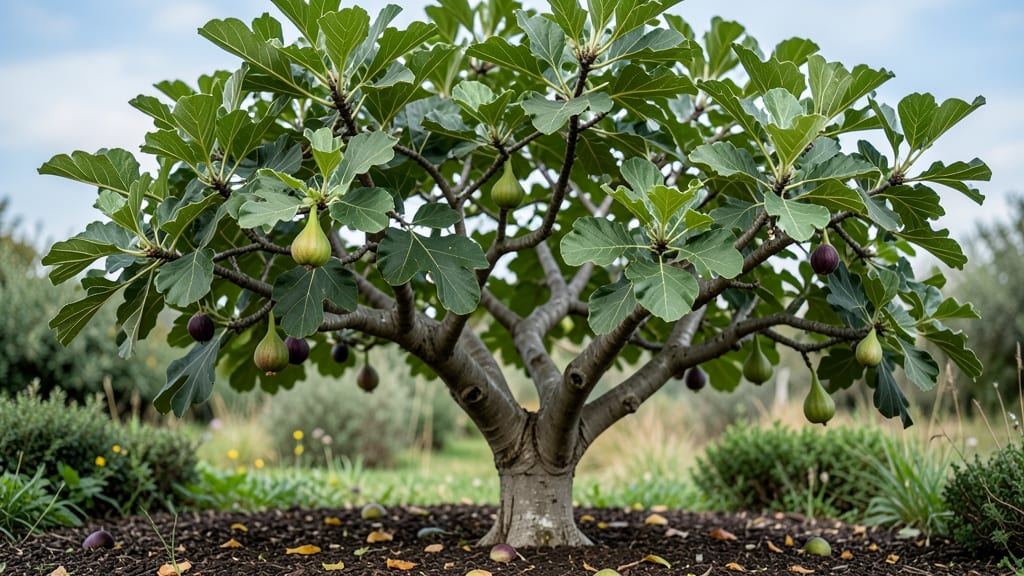
Shaping your fig tree isn’t just about pruning—it’s about sculpting a living privacy screen that stays lush all year. 🌿 I’ve turned my once-wild fig into a structured, elegant wall that blocks neighbors’ views while adding architectural drama to my yard. The key?
Strategic cuts that encourage dense growth while keeping the tree’s natural beauty. Start with the right tools: sharp pruners for clean cuts, gloves to avoid sap irritation, and a ladder if your tree is tall.
Fig trees respond best to pruning in late winter or early spring, when they’re just waking up from dormancy. You’ll shape branches to create a uniform screen or train them into an espalier for a modern look—either way, the result is a tree that’s both functional and stunning.
By summer, you’ll see thick, healthy foliage filling in every gap, with glossy leaves that catch the light. The best part? Figs thrive on this shaping, producing even more fruit as the tree focuses its energy on growth rather than sprawling.
Just avoid over-pruning—figs hate being stripped bare, and too many cuts can stress the tree. Works for urban backyards, rural borders, or even as a striking focal point. Here’s how to get started without killing your tree—or your patience.
📚 In This Guide
- What you need
- Instructions
- Tips and common mistakes
- Wrapping up and next steps
What you need
- ● Fig Trees: 1–3 mature fig trees (depending on desired width; Ficus carica varieties like 'Brown Turkey' or 'Celeste' work best)
- ○ Optional: 3–5 young fig trees (for faster, denser growth)
- ● Pruning Tools: 1 pair of bypass pruners (sharp, clean-cut for branches <½" thick)
- ● 1 pair of loppers (for branches ½"–2" thick)
- ● 1 pruning saw (for thicker branches or trunks)
- ● 1 hand pruner (for precision trimming)
- ● Safety Gear: 1 pair of gloves (cut-resistant, like Felco or Fiskars)
- ● 1 safety goggles (to protect from debris)
- ● 1 long-sleeve shirt and pants (for protection)
- ○ Support & Structure (Optional but Helpful): 1–2 bamboo stakes or metal tree ties (for training young trees)
- ● 1 tree pruning spreader (for wider canopies)
- ● 📅 Best Time to Prune: Late winter or early spring (before new growth starts) or immediately after harvest (for summer pruning).
- ● ☀️ Sunlight: Full sun (6+ hours/day) for optimal growth and fruit production.
- ● 💧 Water Access: Hose or watering can (figs need 1–2 inches of water weekly, especially during dry spells).
- ○ 🌿 Soil Prep (Optional): Well-draining soil (amend with compost if clay-heavy)
- ● Mulch (2–3 inches of organic mulch to retain moisture)
How to train a fig tree for a stunning privacy screen
Here's how to sculpt your fig tree into a lush, year-round privacy screen that turns heads.
🌱 Step 1: Choose the Right Variety and Planting Site
Start with a hardy fig variety like 'Celeste' or 'Brown Turkey'—these handle pruning well and grow fast. Plant in full sun (at least 6 hours daily) with well-draining soil to prevent root rot. Figs hate soggy feet, so avoid low spots where water pools.
Dig a hole twice as wide as the root ball but no deeper—planting too deep suffocates roots. Mix compost into the native soil to boost fertility. Space 4 trees 8-10 feet apart for a full privacy screen by year three. I always mark the spot with a stake before digging to keep the hole centered.
☀️ Step 2: Prune for Structure in Early Spring
Wait until late winter or early spring (just before buds swell) to prune. Remove dead, crossing, or inward-growing branches first—these compete for sunlight and air flow. Cut back overly long branches by ⅓ to encourage bushier growth. Use clean, sharp pruners to make cuts at a 45-degree angle just above a leaf node.
Step back and visualize your screen: aim for a pyramidal shape with the widest canopy at the top. Thin out branches to let light reach the center—figs grow dense, and too much shade inside creates weak wood. I like to leave 3-4 main scaffold branches as my framework, then fill in with smaller branches for density.
✂️ Step 3: Summer Maintenance Pruning
After the initial spring prune, check your tree monthly during summer. Pinch back new growth at the tips to encourage branching—this creates that lush, bushy look. Remove any suckers (shoots growing from the base) immediately; they drain energy from your privacy screen.
Watch for water sprouts (thin, vertical shoots)—these grow fast but weaken the tree. Snip them off at the base. If a branch grows too leggy (long with few leaves), cut it back by ⅓ to prompt bushier regrowth. Figs respond quickly to pruning, so you'll see new leaves within 2-3 weeks of trimming.
🪴 Step 4: Winter Shape Refinement
In late fall or winter, do a final light prune to clean up and refine the shape. Remove any deadwood or branches that spoil the silhouette. Figs are evergreen in mild climates, but in colder zones, they drop leaves—this is normal. Prune just before buds swell to avoid frost damage.
Step back and adjust the height—aim for 8-10 feet tall for a full privacy screen. If a branch grows too tall, cut it back to just above a strong lateral branch. Figs sprout new growth from old wood, so don’t worry about cutting back to bare wood. Mulch around the base with 2-3 inches of organic mulch to protect roots from winter chill.
⏰ Step 5: Year-Round Care for Long-Term Shape
Water deeply once a week (more in extreme heat) to encourage strong root growth. Figs hate wet feet, so improve drainage if your soil stays soggy. Fertilize lightly in spring with a balanced 10-10-10—too much nitrogen makes leaves, not structure. I avoid heavy-handed feeding; figs grow fast enough on their own.
Watch for pest issues like aphids or scale—spray with neem oil if you see sticky residue on leaves. A healthy fig tree resists pests, so focus on good airflow (your pruning helps!) and proper watering. By year three, your 4-tree screen should block views completely while adding architectural beauty to your yard.
Tips & tricks for perfect fig tree shaping
Transforming figs into a privacy screen takes patience, but these tricks will help you avoid common mistakes and create a lush, architectural hedge.
Variety Selection Matters: While 'Celeste' and 'Brown Turkey' are excellent choices for pruning, consider 'Chicago Hardy' if you live in colder zones—it handles winter pruning better. I planted 'Celeste' in my zone 8 garden, and its glossy leaves create that perfect privacy screen look. The key is choosing a variety that thrives in your specific climate while still responding well to pruning.
Pruning Timing is Everything: In Step 2, when you're pruning for structure, make sure buds haven't started swelling yet—this is your window for clean cuts. I've learned the hard way that pruning too early can damage dormant buds, while waiting too late means you're cutting back new growth. The "just before buds swell" guideline is your best friend here. For summer maintenance in Step 3, that monthly check keeps your tree looking intentional rather than wild.
Shape Visualization Trick: Before making any cuts, step back and sketch a simple outline of your desired shape on paper. I find that seeing the pyramid or rounded shape on paper helps me visualize how branches will fill in. For a privacy screen, aim for that dense middle section—this is where most of your pruning focus should be. The 3-4 main scaffold branches mentioned in Step 2 become your framework, with smaller branches filling in like spokes on a wheel.
Mulching Strategy: That 2-3 inches of organic mulch in Step 4 isn't just about protecting roots—it's also about moisture retention. I use shredded bark mulch because it breaks down slowly and improves soil structure over time. Spread it in a 3-inch diameter around the base, keeping it a few inches away from the trunk to prevent rot. This simple step makes all the difference in maintaining healthy roots for your privacy screen.
Pro Tips for Fig Tree Shape
- Transforming figs into a privacy screen takes patience, but these tricks will help you avoid common mistakes and create a lush, architectural hedge.
- Variety Selection Matters: While 'Celeste' and 'Brown Turkey' are excellent choices for pruning, consider 'Chicago Hardy' if you live in colder zones—it handles winter pruning better.
- Pruning Timing is Everything: In Step 2, when you're pruning for structure, make sure buds haven't started swelling yet—this is your window for clean cuts.
Frequently asked questions
Got questions about shaping your fig tree for year-round privacy and style? Here are some common ones—and their answers—to help you grow a stunning, functional screen with ease!
What’s the best time of year to prune a fig tree for shaping?
The ideal time is late winter or early spring (just before new growth starts). This ensures clean cuts while the tree is dormant, reducing stress. Avoid pruning in summer or fall, as it can stimulate unwanted growth or weaken the tree before winter.
How much can I trim a fig tree without harming it?
You can safely remove up to 25-30% of the tree’s foliage in one session. For shaping, focus on thinning out dense branches rather than shearing. Avoid cutting more than 1/3 of the canopy annually to prevent shock. Younger trees handle pruning better than mature ones!
Can I shape a fig tree into a formal hedge, or does it need a more natural look?
Fig trees thrive with a natural, layered shape but can be lightly sheared for a softer hedge look. Avoid tight, geometric cuts—they stress the tree. Instead, prune selectively to encourage air flow and sunlight penetration, which keeps leaves lush and healthy year-round.
Will pruning affect fig production or fruit quality?
Pruning can reduce fruit yield temporarily but improves long-term health and fruit quality. Focus on removing dead or crossing branches first. If fruit is a priority, prune after harvest (late summer) to balance aesthetics and productivity.
What if my fig tree isn’t growing back after pruning?
If new growth stalls, check for over-pruning, disease, or pests. Apply a balanced fertilizer and ensure it gets 6+ hours of sunlight daily. Figs are resilient—give it time (up to 2 weeks) for buds to sprout. If issues persist, inspect for root rot or fungal spots.
Wrapping up and next steps
Transforming your outdoor space with a fig tree shape isn’t just about aesthetics—it’s about creating a functional, year-round privacy screen that adds architectural charm to your landscape. 🌿 Whether you’re pruning for structure or simply admiring its natural beauty, the key is patience and precision.
With the right tools, techniques, and care, your fig tree will thrive as both a living masterpiece and a serene retreat.
Ready to take the next step? Start by reviewing your pruning schedule or sketching your ideal shape. Every trim brings you closer to that lush, sculpted privacy screen you envision—so grab those shears and get growing! 🌱✨