
Pruning
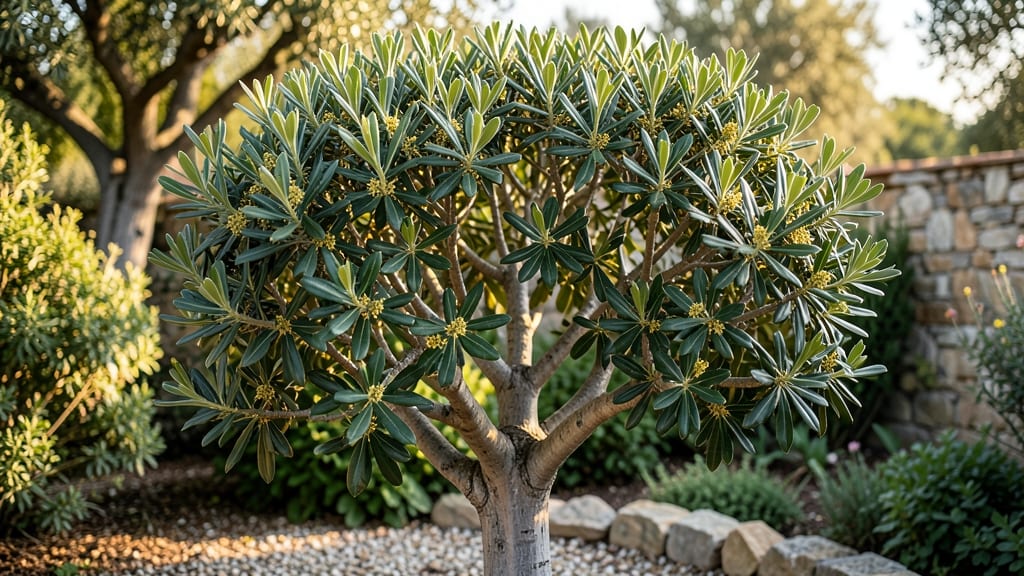
Harvesting golden mastic resin from your own Chios-style mastic tree is like unlocking a Mediterranean treasure. 🌿 This evergreen shrub from Greece's Chios island thrives when pruned with intention—cutting at the right time and angle ensures your tree produces the prized resin year after year without stress.
The secret lies in mimicking its natural growth patterns while keeping the branches open for sunlight. My first attempt at pruning felt like surgery without a map—I nearly overdid it. The key is working during late winter when the tree is dormant but before new growth starts.
Use sharp shears to make clean cuts just above outward-facing buds, shaping the tree into an open vase form. This encourages resin production while keeping the center airy and disease-free. Even a small tree can yield 1-2 pounds of resin annually with proper care.
What you'll end up with is a tree that looks stunning year-round and rewards you with golden droplets of pure mastic. The resin itself has a warm, piney aroma and can be used for everything from traditional sweets to natural varnishes.
The tree becomes a living heritage piece in your garden, connecting you to centuries-old Chios traditions. Works beautifully in Mediterranean climates but can adapt to other regions with proper winter protection. Here's how to get started without the common pitfalls!"
📚 In This Guide
- What you need
- Instructions
- Tips and common mistakes
- Wrapping up and next steps
What you need
- ● Pruning shears: Bypass pruners (sharp, 6-8 inch blades) – 2 pairs (one for thick branches, one for precision cuts).
- ● Loppers: Heavy-duty (18-24 inch) for branches ½ to 1.5 inches thick.
- ● Pruning saw: Curved-tooth saw for branches 1.5+ inches thick.
- ● Disinfectant: 70% isopropyl alcohol or 10% bleach solution (to sterilize tools between cuts).
- ● Gloves: Heavy-duty gardening gloves (cut-resistant, nitrile-coated for grip).
- ● Safety goggles: ANSI-rated for debris protection.
- ● Tarp or drop cloth: 10x12 ft (to collect resin and debris).
- ○ Marking twine or spray paint: For tagging branches (optional but helpful for tracking growth).
- ● Weather check: Prune on a dry, overcast day (resin flows best in cool, humid conditions).
- ● Resin collection kit: Small glass jars (8 oz, with lids) – 5-10 jars.
- ● Fine-mesh strainer or cheesecloth (to filter resin).
- ● Labeling tags (for tracking harvest dates).
- ● Mulch: Organic mulch (e.g., pine bark) – 2-3 inches deep (to retain moisture post-pruning).
- ● Fertilizer: Slow-release balanced fertilizer (10-10-10) (apply 4-6 weeks post-pruning).
- ○ Tree growth chart: Optional but useful for tracking pruning patterns over years.
Step-by-step guide to pruning mastic trees for optimal resin production
Here’s how I prune mastic trees in Chios to maximize resin yield while keeping the tree healthy and productive.
🌿 Step 1: Time Your Pruning for Peak Resin Flow
Prune your mastic tree in late winter or early spring, just before new growth begins. This is when the tree’s energy is still dormant but ready to redirect into resin production. Avoid pruning during summer or fall—the tree needs its foliage to photosynthesize and store energy for winter. I always check for bud swell (small, plump buds forming along branches) as my signal that it’s time to start.
If you’re harvesting resin year-round, do light maintenance pruning in late summer to remove only dead or damaged branches. Heavy pruning at this time stresses the tree and reduces resin quality. Watch for new shoots—if they appear weak or sparse, that’s a sign you’ve pruned too late in the season.
✂️ Step 2: Remove Dead, Diseased, or Crowded Branches
Start by sterilizing your pruning shears with rubbing alcohol to prevent spreading disease. Cut out any branches that are dead, diseased, or crossing—these compete with healthy branches for nutrients and reduce resin production. Look for brown, brittle wood or branches with peeling bark—these are clear signs of decline. I make my cuts just outside the branch collar (the swollen area where the branch meets the trunk) to promote faster healing.
Thin out crowded branches to improve airflow, which helps the tree recover faster and produces higher-quality resin. Aim to leave 6-8 inches of space between branches. If a branch is larger than 1/3 the diameter of the trunk, it’s better to remove it entirely—thick branches drain energy that could go toward resin production.
☀️ Step 3: Shape for Sun Exposure and Resin Access
Mastic trees need full sun (6+ hours daily) to produce resin efficiently. Prune to open the canopy, ensuring the inner branches receive light. Start by removing branches that grow straight upward—these create shade and reduce resin yield. Instead, encourage horizontal branches by pruning vertical growth back to a side bud (a small bump on the stem where a branch grows outward).
Leave 3-4 main branches as your primary structure—they’ll support the most resin-producing bark. If you’re harvesting resin from the trunk, avoid over-pruning the lower branches, as they protect the bark from sun damage. After pruning, step back and visualize sunlight hitting all sides—that’s your goal.
💧 Step 4: Post-Pruning Care for Resin Recovery
Water the tree deeply within 48 hours of pruning to help it recover. Mastic trees are drought-tolerant, but pruning creates wounds that need healing. I use a mulch ring (2-3 inches deep) around the base to retain moisture and protect roots. Avoid fertilizing immediately after pruning—let the tree focus on sealing cuts before diverting energy to new growth.
Monitor the tree for resin flow in the weeks after pruning. Healthy mastic trees produce clear, golden resin when lightly scratched. If you see dark, sticky sap instead, the tree may be stressed—reduce watering slightly and wait another month before harvesting. Pruned trees typically double resin production in the first growing season if cared for properly.
⏰ Step 5: Schedule Year-Round Maintenance Pruning
For continuous resin harvest, do light pruning every 3 months to remove only dead wood or overgrowth. Avoid heavy cuts—mastic trees respond best to gradual shaping. In summer, focus on trimming new shoots that grow too fast, as they divert energy from resin production. Use sharp, clean shears each time to prevent disease.
I mark my pruning schedule on a calendar with reminders for late winter (main prune), late summer (light trim), and early fall (harvest prep). This keeps the tree in balance and ensures consistent resin quality. If you notice yellowing leaves after pruning, it’s a sign of over-pruning—scale back next time and focus on smaller, strategic cuts.
Tips & tricks for pruning mastic trees in Chios
These practical insights will help you maximize resin production while keeping your mastic tree thriving year-round.
Timing is Everything: The late winter or early spring timing in Step 1 is critical because that's when the tree's energy is still dormant but ready to redirect into resin production. I've seen trees that were pruned during summer or fall struggle with reduced resin quality for up to two growing seasons. Look for those plump buds forming—this is your clear signal that it's time to prune. For year-round harvesters, that light maintenance pruning in late summer is non-negotiable—it's the difference between good resin and exceptional resin.
Precision Cuts for Better Healing: When making those cuts in Step 2, focus on making clean cuts just outside the branch collar. I've learned this the hard way—cutting too close to the trunk can leave ugly wounds that take forever to heal and become entry points for disease. Sterilizing your tools with rubbing alcohol might seem like overkill, but it's a small step that prevents spreading fungal infections that can devastate your tree's resin production. Remember, the goal is to make the tree's healing process as smooth as possible so it can redirect its energy to resin production.
Sunlight Strategy: Step 3's emphasis on full sun exposure is where the magic happens for resin production. I've noticed that trees with open canopies produce resin that's noticeably clearer and more golden than those with shaded branches. When shaping your tree, think of it like creating a dome that catches sunlight from all directions. Those upward-growing branches you're removing? They're essentially stealing sunlight from the lower branches that need it most for resin production. After pruning, take a step back and visualize how sunlight will hit your tree—this mental check helps ensure you're creating the optimal structure.
Post-Pruning Recovery: The 48-hour watering window in Step 4 is your chance to give the tree a head start in recovery. I've found that using a 2-3 inch mulch ring creates a microclimate that retains moisture perfectly while protecting roots from temperature fluctuations. One mistake I see often is people fertilizing right after pruning—this is a big no-no! The tree needs to focus all its energy on sealing those cuts before it can think about new growth. If you notice dark, sticky sap instead of the clear golden resin, that's your tree's way of saying it's stressed—back off on watering and give it a month to recover before harvesting.
Pro Tips for Mastic Tree Chios
- These practical insights will help you maximize resin production while keeping your mastic tree thriving year-round.
- Timing is Everything: The late winter or early spring timing in Step 1 is critical because that's when the tree's energy is still dormant but ready to redirect into resin production.
- Precision Cuts for Better Healing: When making those cuts in Step 2, focus on making clean cuts just outside the branch collar.
Frequently asked questions
Got questions about pruning your mastic tree (Chios) for resin? You’re in the right place! Here are answers to the most common queries—from timing to troubleshooting—so you can maximize your harvest year-round.
When is the best time to prune a mastic tree for resin production?
The ideal time is late winter or early spring (February–March), just before new growth begins. This minimizes stress on the tree while encouraging vigorous resin flow in spring and summer. Avoid heavy pruning in autumn, as it can disrupt the tree’s natural dormancy cycle.
How much of the mastic tree can I prune without harming it?
For healthy resin production, limit pruning to 15–25% of the tree’s canopy per year. Over-pruning (beyond 30%) can weaken the tree and reduce resin yield. Focus on removing dead, diseased, or crossing branches first, then selectively thin to improve airflow.
Why isn’t my mastic tree producing much resin after pruning?
Resin production depends on stress and sunlight. If yields are low, check for:
- Shade: Ensure the tree gets full sun (6+ hours/day)—partial shade reduces resin flow.
- Water stress: Mild drought triggers resin, but overwatering dilutes it. Let soil dry slightly between waterings.
- Age: Young trees (<5 years) produce less resin; patience is key!
Can I prune a mastic tree in summer, and will it affect resin harvest?
Summer pruning is possible but riskier. If you must, do it in early summer (June) and avoid heavy cuts. Pruning in peak heat (July–August) can stress the tree, reducing resin quality. Always water thoroughly after pruning to aid recovery.
What’s the best alternative if I can’t prune my mastic tree right now?
If timing isn’t ideal, focus on light maintenance:
- Remove only dead or diseased branches to prevent spread.
- Thin the canopy slightly to improve airflow and sunlight.
- Fertilize with phosphorus-rich compost (like bone meal) to support resin production.
Plan for a full pruning session in the next dormant season for optimal results.
Wrapping up and next steps
The mastic tree of Chios is a treasure trove of golden resin, and with the right pruning techniques, you can ensure a bountiful, year-round harvest—whether you're a seasoned grower or just starting out. 🌿 From mastering the art of selective cuts to understanding seasonal timing, every step plays a role in nurturing a healthy tree that rewards you with high-quality resin.
Now that you’re armed with the secrets to pruning success, it’s time to roll up your sleeves and give your mastic tree the care it deserves!
Ready to take the next step? Start small—prune a single branch this week and observe how your tree responds. Over time, you’ll refine your skills and unlock the full potential of your mastic tree, turning your garden into a resin-rich paradise. Happy pruning! ✂️✨