
Pruning
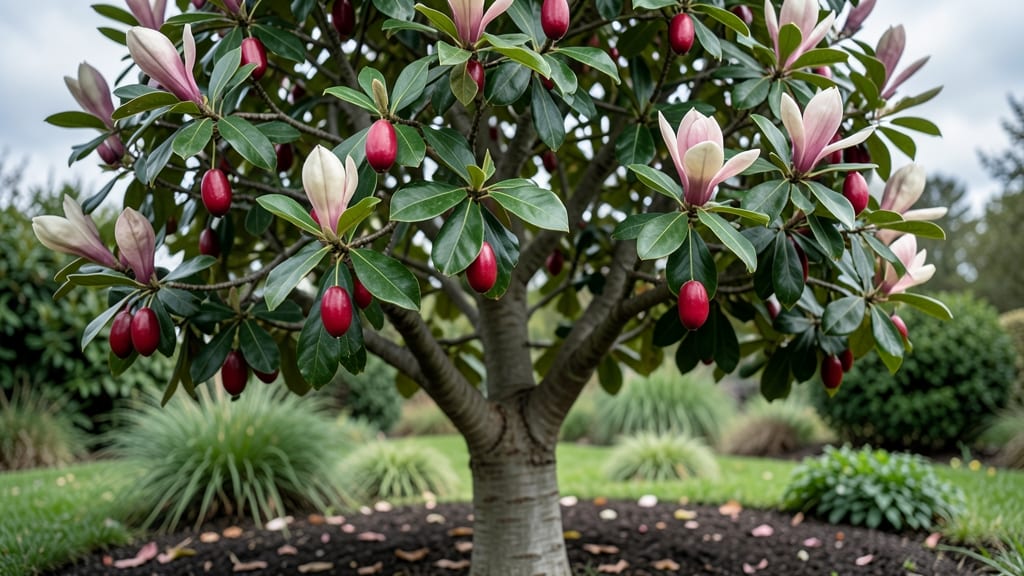
Magnolia trees with red berries turn your yard into a living holiday card—no pruning required. 🌿 I’ve grown these showstoppers for years, and they reward patience with glossy leaves, fragrant blooms, and berries that last from fall through winter.
The secret? Choosing the right variety and giving them space to shine.
Most red-berried magnolias—like Southern magnolia or star magnolia—thrive in zones 5-9 with morning sun and afternoon shade. They’re fuss-free once established: water deeply once a week in dry spells, and mulch to keep roots cool.
The berries form on female trees, so plant two (or check for both male and female flowers) for pollination.
Pruning is minimal—just remove dead wood in late winter. The berries add year-round interest, and birds adore them (though they’re not edible for humans). For extra drama, plant near evergreens to highlight their bright red clusters against dark foliage.
Whether you’re filling a large yard or a small patio spot, these magnolias deliver low-maintenance beauty with zero compromise. Here’s how to pick the perfect variety for your climate and space.
📚 In This Guide
- What you need
- Instructions
- Tips and common mistakes
- Wrapping up and next steps
What you need
- ● Pruning shears: Bypass pruners (for clean cuts on small branches) – 1 pair (ensure they’re sharp and sterilized with rubbing alcohol).
- ● Loppers: For thicker branches (up to 1.5 inches) – 1 pair (look for bypass or anvil types with a comfortable grip).
- ● Garden gloves: Heavy-duty, cut-resistant (e.g., Mechanix or FrogToggs) – 1 pair (protects from thorns and sap).
- ● Disinfectant: 70% isopropyl alcohol or Concrobium (to prevent disease spread) – small bottle.
- ○ Pruning sealant: Tree wound sealant (e.g., Tanglefoot Tree Wound Pruning Seal) – small tube (optional but helpful for larger cuts).
- ● Ladder or step stool: Sturdy, extendable (if your tree is over 6 feet tall) – 1 unit (safety first!).
- ● Trash bags: Heavy-duty (for debris) – 1–2 bags.
- ● Watering can or hose: With a gentle spray nozzle (for post-pruning hydration).
- ● Fertilizer: Slow-release, acid-loving plant formula (e.g., Miracle-Gro Azalea, Camellia & Rhododendron) – small bag (boosts berry production).
- ● Mulch: Organic (e.g., pine bark or shredded leaves) – 2–3 inches (retains moisture and regulates soil temp).
- ● Bird netting: Lightweight (to protect berries from birds if desired) – 1 roll (only needed in high-bird areas).
- ● Camera or phone: For documenting your tree’s progress—because before-and-after shots are everything! 📸
How to encourage vibrant red berries on your magnolia tree
Here's how to coax those striking red berries from your magnolia with simple seasonal care.
🌿 Step 1: Understand Your Magnolia's Berry Cycle
Magnolia berries develop from flowers that bloom in early spring, typically between March and May. The berries themselves form after successful pollination and take 6-8 months to ripen, turning from green to their signature red by late fall. Choose a variety like 'Little Gem' or 'Ann' for reliable berry production—they're bred specifically for ornamental fruit.
Here's the thing—magnolias need cross-pollination between trees for berry set. If you only have one tree, consider planting a second variety within 50 feet to ensure flower fertilization. I've seen gardeners give up too soon because they missed this key detail. Watch for small green berries forming in late summer—that's your first sign of success.
☀️ Step 2: Provide Ideal Growing Conditions
Magnolias thrive in partial shade to full sun, with 6+ hours of sunlight daily producing the most vibrant berries. A location with morning sun and afternoon shade works best in hot climates. The soil should be acidic (pH 4.5-6.0) and well-draining—magnolias hate soggy roots. Amend heavy clay with 2-3 inches of organic compost and a handful of sulfur if your soil tests alkaline.
Water deeply once weekly during the first growing season to establish roots, then taper to every 10-14 days once established. The key is consistent moisture—never let the soil dry completely between waterings. You'll know you've got it right when the soil feels like a slightly damp sponge when you check 2 inches down.
🪴 Step 3: Fertilize for Berry Production
Feed your magnolia in early spring with a balanced 10-10-10 fertilizer applied at half the recommended rate. This gives the tree energy for both foliage and berry production without overstimulating new growth. I always use slow-release granules scattered under the canopy and watered in deeply. Avoid high-nitrogen fertilizers—they promote leafy growth at the expense of flowers and berries.
In late summer, switch to a low-nitrogen, high-phosphorus formula (5-10-10) to support fruit development. This is the moment that matters: phosphorus encourages root growth and flower/berry formation. You'll see the difference in next year's berry crop if you skip this step. Apply it 6-8 weeks before flowering season for best results.
✂️ Step 4: Prune Strategically for Berry Display
Prune your magnolia immediately after flowering (late spring) to avoid removing next year's flower buds, which form on old wood. Remove only dead, diseased, or crossing branches—never cut more than 25% of the canopy in one season. Use clean, sharp pruners and make cuts just outside the branch collar to prevent infection.
Here's the trick for better berry visibility: Thin out the innermost branches to improve airflow and sunlight penetration. This encourages more flowers on the outer canopy where they're easier to see. I like to step back every few cuts and visualize the tree's shape—you want an open, vase-like form that showcases the berries. Never prune in fall or winter, as this stimulates new growth that won't harden off before freeze.
⏰ Step 5: Protect Berries Through Winter
Magnolia berries are cold-hardy, but young trees may need protection in Zone 6 or colder. Wrap the trunk with tree guard and cover the canopy with frost cloth if temperatures drop below 15°F. The berries themselves can handle down to -10°F, but new growth is more vulnerable. I've seen berries survive winter only to be eaten by birds—so if you want to preserve them, install bird netting once they turn red.
In late winter, remove any dead berries that remained on the tree. These can harbor diseases that might affect next year's crop. Check for scale insects or aphids on the branches—these pests can weaken the tree. A hose spray usually dislodges them, but for heavy infestations, use neem oil applied in early spring before buds swell. The goal is to keep your tree healthy enough to produce those showstopping red berries year after year.
Tips & tricks for vibrant magnolia berries
These simple strategies will help you transform your magnolia from a leafy backdrop to a showstopping berry display with minimal effort.
Pollination Strategy: If you're working with just one magnolia tree, the secret to those vibrant red berries lies in cross-pollination. Plant a second variety within 50 feet—like 'Little Gem' paired with 'Ann'—to ensure successful fertilization. I've seen gardeners miss this step entirely and wonder why their berries never developed. Even if you can't plant a second tree, hand-pollinate using a soft brush to transfer pollen between flowers on the same tree during their March-May bloom period. This mimics nature's process and guarantees berry set.
Sunlight Optimization: The 6+ hours of sunlight requirement isn't just about quantity—it's about quality. Position your magnolia to receive morning sun and afternoon shade in hot climates. This prevents leaf scorch while still providing enough energy for vibrant berry production. I've noticed the most dramatic color differences in berries when trees get this balance right. If your tree isn't in an ideal spot, consider strategic pruning to open the canopy and let more light reach the inner branches where berries form.
Soil pH Management: That acidic soil requirement (pH 4.5-6.0) is non-negotiable for berry development. If your soil tests higher, don't just add compost—mix in a handful of sulfur to lower the pH gradually. I've seen trees with perfect sunlight and water but poor soil produce only a fraction of the berries they're capable of. Test your soil annually in late winter, and amend as needed before the spring flowering season. The difference in berry quantity and color is remarkable when the soil chemistry is right.
Winter Protection: While magnolia berries can handle down to -10°F, new growth and young trees need special care when temperatures dip below 15°F in Zone 6 or colder. Wrap the trunk with tree guard and cover the canopy with frost cloth, but don't suffocate the tree—leave some airflow to prevent moisture buildup. I've seen berries survive winter only to be stripped by birds, so install bird netting once they turn red if you want to preserve them through the season. This simple protection makes all the difference in next year's berry production.
Pro Tips for Magnolia Tree Red Berries
- These simple strategies will help you transform your magnolia from a leafy backdrop to a showstopping berry display with minimal effort.
- Pollination Strategy: If you're working with just one magnolia tree, the secret to those vibrant red berries lies in cross-pollination.
- Sunlight Optimization: The 6+ hours of sunlight requirement isn't just about quantity—it's about quality.
Frequently asked questions
Got questions about those stunning magnolia tree red berries? You’re not alone! Here are some of the most common queries—plus quick, practical answers to keep your tree thriving with minimal fuss.
Why do some magnolia trees have red berries, while others don’t?
Not all magnolia varieties produce red berries! Only Magnolia grandiflora (Southern magnolia) and a few hybrids like Magnolia × soulangeana (Saucer magnolia) naturally bear them. If your tree lacks berries, it might be a different species—like Magnolia stellata (Star magnolia), which has orange-red fruit but isn’t as hardy.
When should I expect red berries to appear on my magnolia tree?
Red berries typically form late summer to early fall (August–October) after flowering. They ripen over winter and often persist until spring, adding year-round interest. If your tree flowers but no berries develop, it could be due to poor pollination or immature trees (under 5 years old).
Are magnolia berries toxic to pets or kids?
Yes! While the berries themselves aren’t highly toxic, they contain tannins and cyanogenic glycosides that can cause mild stomach upset if ingested in large quantities. Symptoms may include vomiting or diarrhea. Keep pets and curious kids away from fallen berries, and never consume them raw.
Do I need to prune my magnolia tree to encourage more red berries?
Pruning isn’t required for berry production, but light shaping in late winter (before buds swell) can improve airflow and sunlight—both of which support healthy fruit development. Avoid heavy pruning, as magnolias flower on old wood. Focus on removing dead branches or crossing limbs to keep the tree’s energy focused on berries.
Why did my magnolia berries turn black or mushy?
Black/mushy berries usually signal fungal disease (like anthracnose) or pest damage (e.g., scale insects). Improve care by:
- Watering deeply but infrequently (avoid soggy soil).
- Applying a copper fungicide in spring if fungal spots appear.
- Inspecting leaves for sticky residue (sign of sap-sucking pests).
Wrapping up and next steps
Magnolia trees with their stunning red berries are the perfect low-maintenance addition to any garden, offering year-round beauty with minimal pruning effort. 🌿 Whether you're a seasoned gardener or just starting out, their vibrant foliage and striking berries make them a standout choice. Ready to enhance your outdoor space?
🌱 Next Steps:
- Pick a sunny spot in your yard and plant your magnolia—it’s easier than you think!
- Check out our pruning guide for step-by-step tips.
- Share your progress with the gardening community for extra motivation!
Your magnolia’s vibrant future starts today—let’s make it happen! 🌟