
Diseases
Fall brings stunning color transformations to magnolia trees—but also hidden threats. Learn to identify 10 distinct leaf patterns, spot early signs of 5 common diseases, and protect your tree before winter arrives.
Crimson Purple Fall Foliage on Southern Magnolias
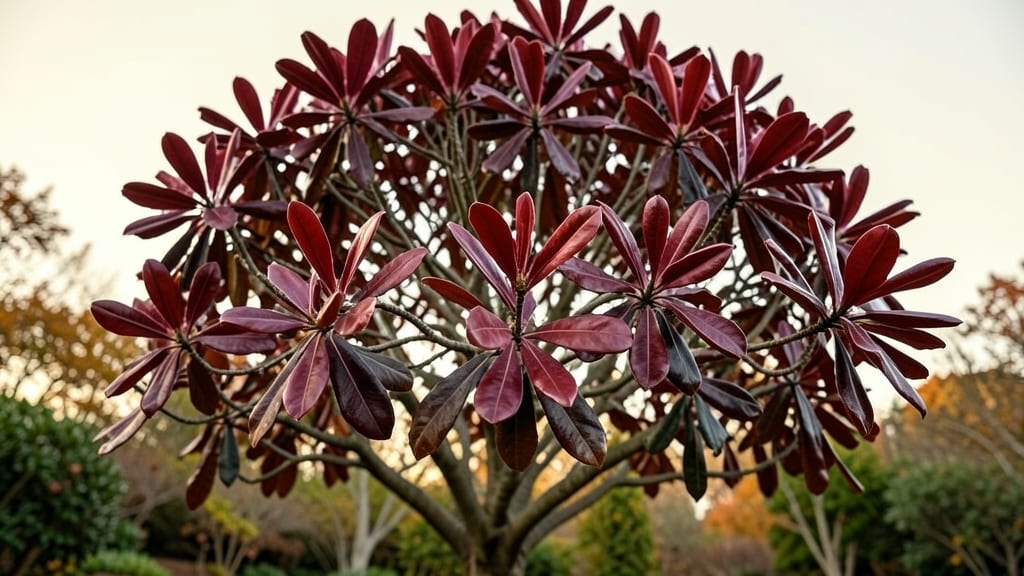
If your Southern magnolia (Magnolia grandiflora) is sporting vibrant crimson-purple leaves this fall, don’t assume it’s just autumn beauty—this is a health sign unique to this species. Unlike other magnolias that fade to yellow or brown, these deep red hues mean your tree is thriving in warm climates.
This color shift occurs when leaves break down sugars into anthocyanins (the same pigments in red apples), a natural process that signals robust late-season vitality. However, if you notice yellowing instead, it could indicate stress or fungal infection, especially in humid Southern climates. Prune any discolored branches immediately and apply a copper-based fungicide as a preventive measure.
Southern magnolias are prized for their year-round evergreen foliage, but this fall flush is your cue to monitor moisture levels—overwatering can trigger stress. Gardeners in USDA Zones 7-10 will love this hardy tree’s resilience, but keep an eye out for sudden color changes. 🌟
Yellowing Edges with Brown Spots on Star Magnolias
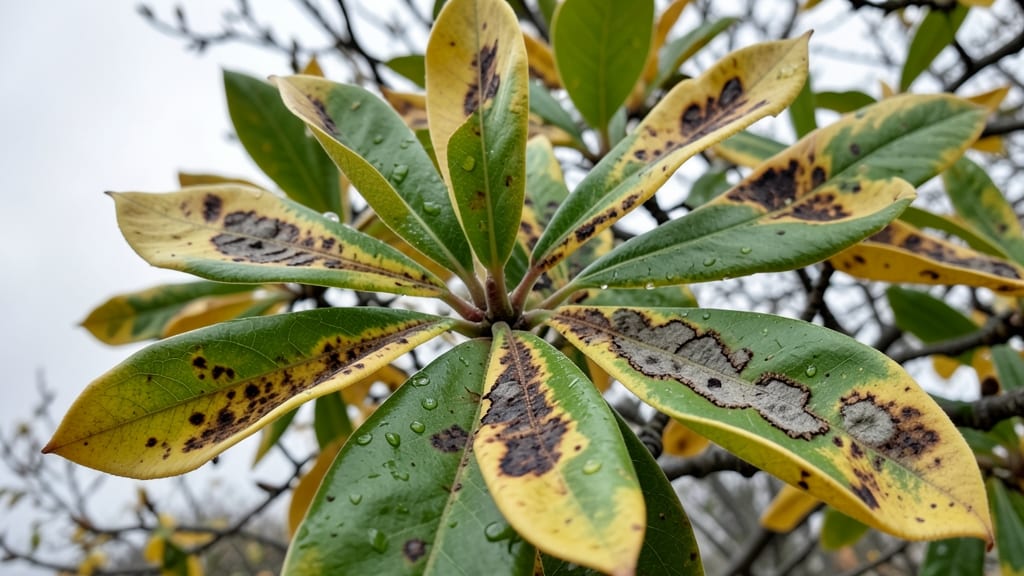
If your Magnolia stellata (star magnolia) is showing yellowing edges with brown spots, don’t wait—this is a red flag for magnolia scale or anthracnose, two sneaky diseases that can weaken your tree before winter. These issues thrive in fall’s damp conditions, turning harmless seasonal changes into serious threats if ignored.
Start by pruning infected branches immediately, cutting back to healthy green tissue. Apply a copper-based fungicide (like copper sulfate) every 2–3 weeks until new growth appears. For scale, a strong spray of water can dislodge some pests, but follow up with horticultural oil to suffocate remaining insects. Sterilize your pruners with rubbing alcohol between cuts to avoid spreading disease.
Star magnolias are prized for their delicate blooms, so early action preserves their beauty—and your tree’s health—for years to come. 🌱
Mottled Green and Purple Leaves on Saucer Magnolias
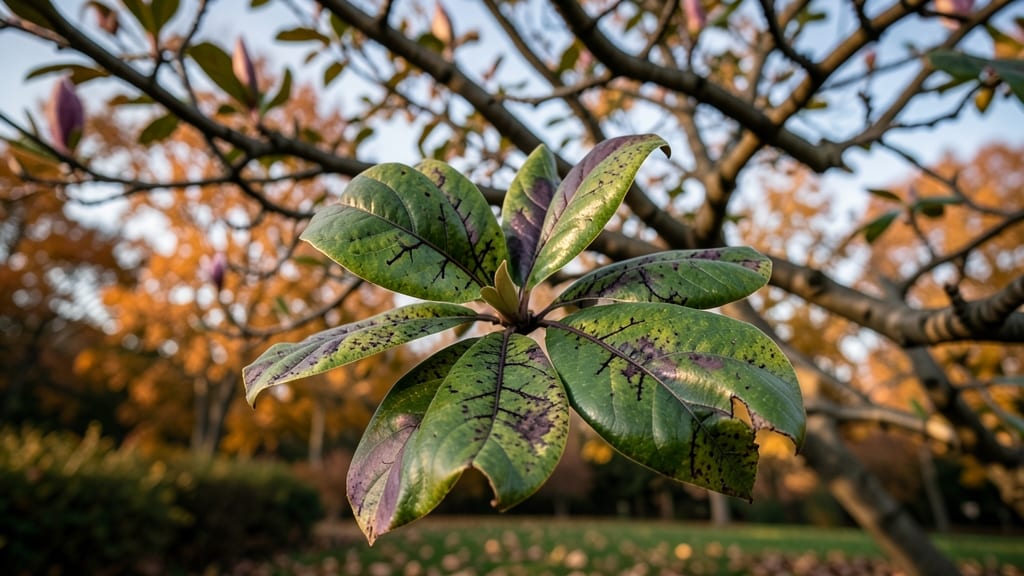
Seeing mottled green and purple leaves on your Saucer Magnolia (Magnolia × soulangeana) might look like a stunning fall show—but not always. While some color variation is normal as temperatures drop, persistent mottling with blackened veins is a red flag for magnolia leaf gall, a bacterial infection.
This disease thrives in damp conditions, causing leaves to develop irregular dark patches and stunted growth. The key difference? Healthy fall foliage fades naturally, while infected leaves show raised, blackened veins and may drop prematurely. Act fast by applying a copper-based fungicide (like copper hydroxide) every 2-3 weeks until new growth appears.
Gardeners in humid climates or those with overcrowded plantings are most at risk. Prune infected branches in dry weather and sterilize tools between cuts to prevent spreading. Catch it early, and your magnolia will reward you with year-round beauty. ✨
Premature Leaf Drop with White Fungal Spots
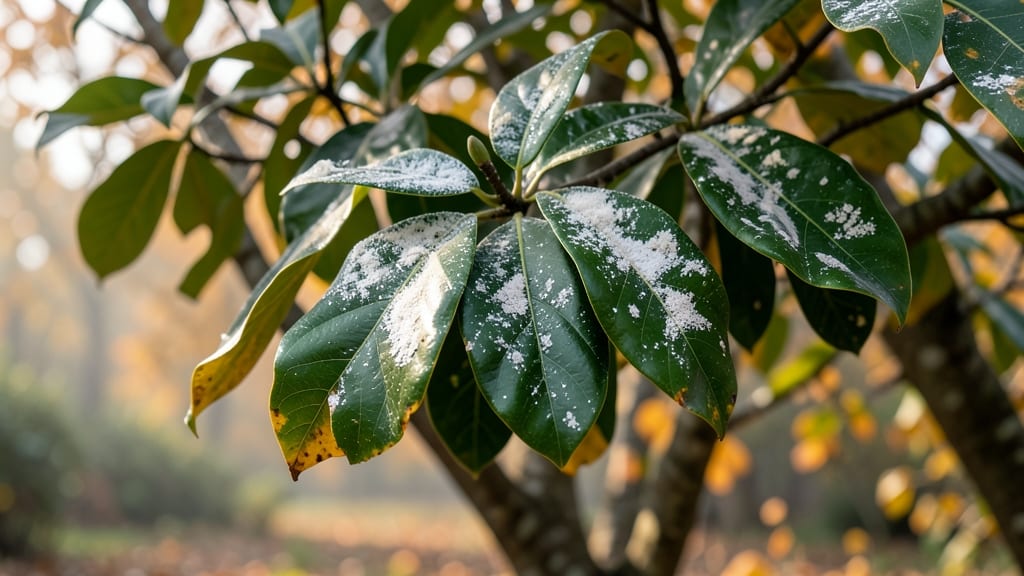
If your Magnolia kobus or Magnolia × loebneri is shedding leaves earlier than usual with a dusting of white fungal spots, you’re likely dealing with powdery mildew—the perfect fall pest. This fungal infection thrives in the humid autumn air that magnolias love, turning vibrant foliage into a powdery mess.
Act fast by applying a neem oil solution (1 tablespoon per quart of water) to both affected and nearby leaves every 7–10 days. Improve airflow by pruning dense branches, and avoid overhead watering to keep foliage dry. The key is to treat before leaves fall, as fallen leaves can spread spores to next year’s growth.
This issue is especially tricky for urban gardeners with tight planting spaces. With timely intervention, you can save your magnolia’s health and keep those stunning blooms coming year after year. 💚
Blackened Leaf Tips on Evergreen Magnolias
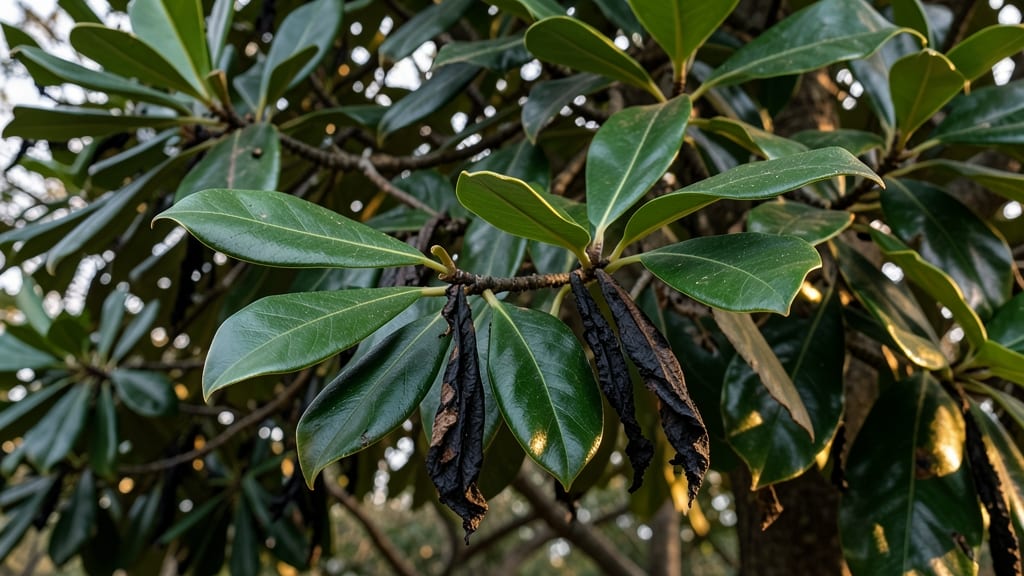
If your evergreen magnolia—especially Magnolia virginiana—has leaves with blackened, crispy tips, don’t dismiss it as winter damage. This is often the first visible sign of cytospora canker, a fungal disease that can kill your tree if left unchecked. Unlike normal fall color changes, canker symptoms worsen over time, spreading to branches and bark.
Act fast by pruning infected branches only during dry weather (never when leaves are wet) and sterilizing your pruners with rubbing alcohol between cuts. Look for oozing cankers or sunken lesions on branches—these are the fungal entry points. Remove all infected wood 6 inches below the visible damage to prevent further spread. This disease thrives in wet conditions, so improving air circulation around your tree helps too.
Gardeners in humid climates or near water sources should monitor their evergreen magnolias closely—this disease is particularly aggressive in these conditions. Early intervention saves your tree from irreversible decline. ✨
Bright Orange Fall Leaves on Cucumbertree Magnolias
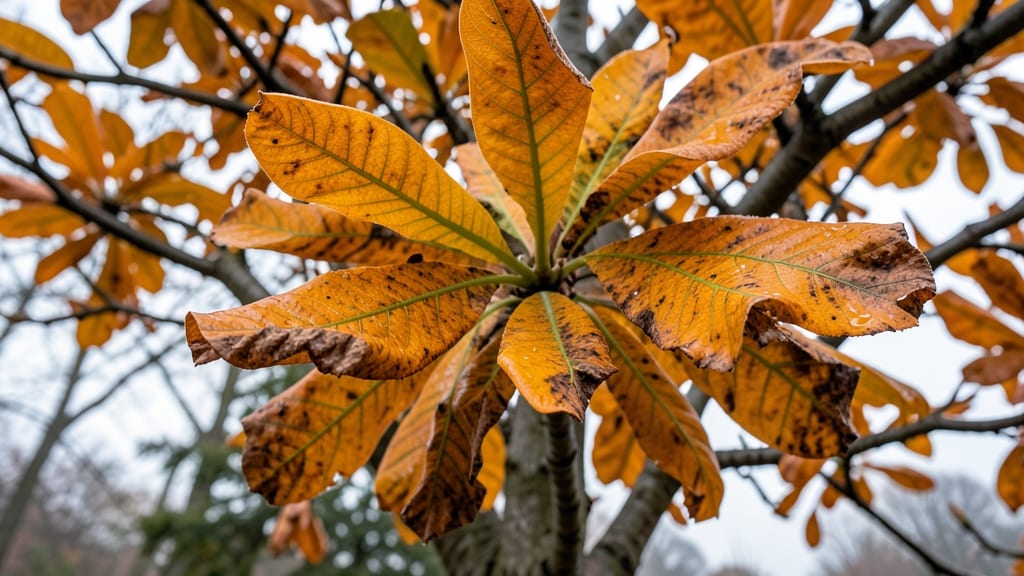
That fiery orange foliage on your cucumbertree magnolia (Magnolia acuminata) could be a stunning fall spectacle—or a silent warning. While vibrant orange leaves are normal, crispy edges paired with this color mean magnolia leaf blight may be lurking.
Leaf blight thrives in damp fall conditions, and infected leaves left on the ground can reintroduce the fungus next season. Remove all fallen leaves from the base of your tree and compost them away from the garden. Prune infected branches back to healthy wood, sterilizing your tools with rubbing alcohol between cuts to prevent spreading spores.
Gardeners in humid climates should monitor their cucumbertree magnolias closely during fall—early action can save your tree from winter decline. 💚
Hole-Punched Leaves from Magnolia Leaf Miners
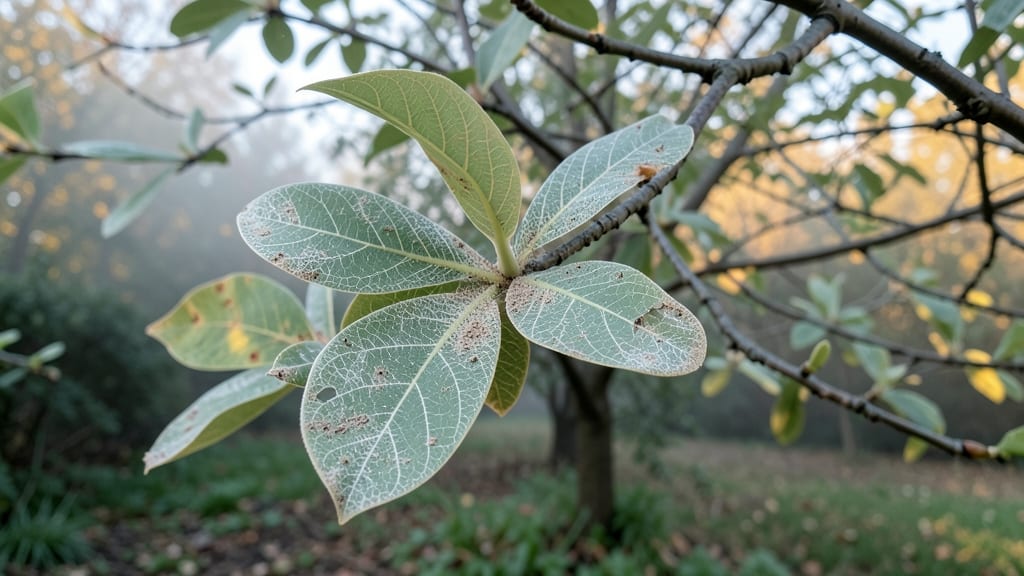
If your Magnolia denudata leaves look like delicate lace this fall, blame tiny leaf miners—not your gardening skills. These pale green larvae tunnel between leaf layers, leaving behind white, skeletonized patterns and fine frass trails that resemble sawdust.
To stop next year’s damage, treat your tree with insecticidal soap in early fall (September-October) when adults emerge. Focus on the undersides of leaves, where larvae hide. For severe cases, repeat applications every 7-10 days until leaf drop. This preventative approach is especially critical for young trees still developing their defense mechanisms.
Leaf miners are more of a nuisance than a killer, but untreated trees may develop stunted growth over time. Gardeners in mild climates should monitor their magnolias weekly during fall—early action prevents a repeat performance next spring. 🌱
Reddish-Brown Leaf Scorch on Sweetbay Magnolias
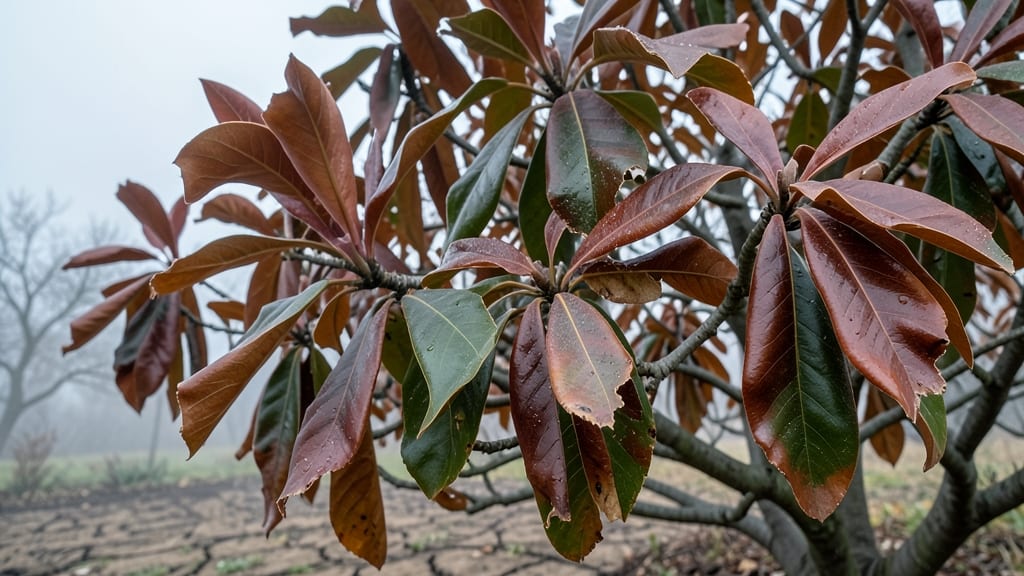
If your Sweetbay magnolia (Magnolia virginiana) leaves are turning a concerning reddish-brown this fall, don’t assume it’s disease—it could be environmental stress mimicking magnolia rust. This common lookalike often stems from drought or salt spray, especially in coastal or urban gardens.
Start by testing your soil’s pH—Sweetbay magnolias thrive in slightly acidic soil (pH 5.0-6.0)—and adjust irrigation to provide deep, infrequent watering (1-2 inches per week). If salt exposure is the culprit (like near roadways), flush the soil with fresh water. Focus on reviving the tree before winter dormancy, as stressed roots struggle to recover in cold months.
Gardeners in coastal or high-salt areas will find this fix particularly valuable—proactive care now ensures your tree’s resilience for next season’s blooms. 💪
Glossy Green Leaves Turning Brown Prematurely
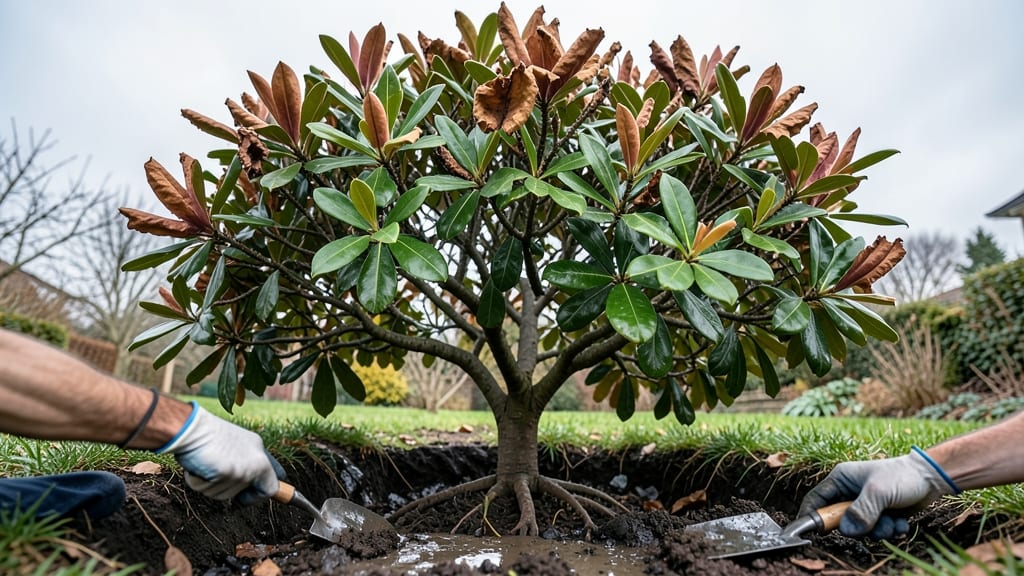
When your Magnolia × veitchii leaves stay glossy green but suddenly brown at the edges, it’s not normal fall color—it’s a cry for help from root rot. This sneaky issue thrives in soggy soil, often overlooked until the damage appears above ground.
To save your tree, check the soil first: if it stays damp for days after rain, amend with perlite to improve drainage. Repot if needed, and always use a well-draining mix. Don’t forget to mulch heavily in winter—this protects roots from freezing while allowing excess moisture to evaporate. Act fast, as root rot spreads quickly in cool, wet fall conditions.
This is especially critical for gardeners in container-grown magnolias or areas with heavy clay soil. A little soil prep now can mean the difference between a thriving tree and a lost investment. 🌿
Curling Leaves with Sticky Residue from Aphids

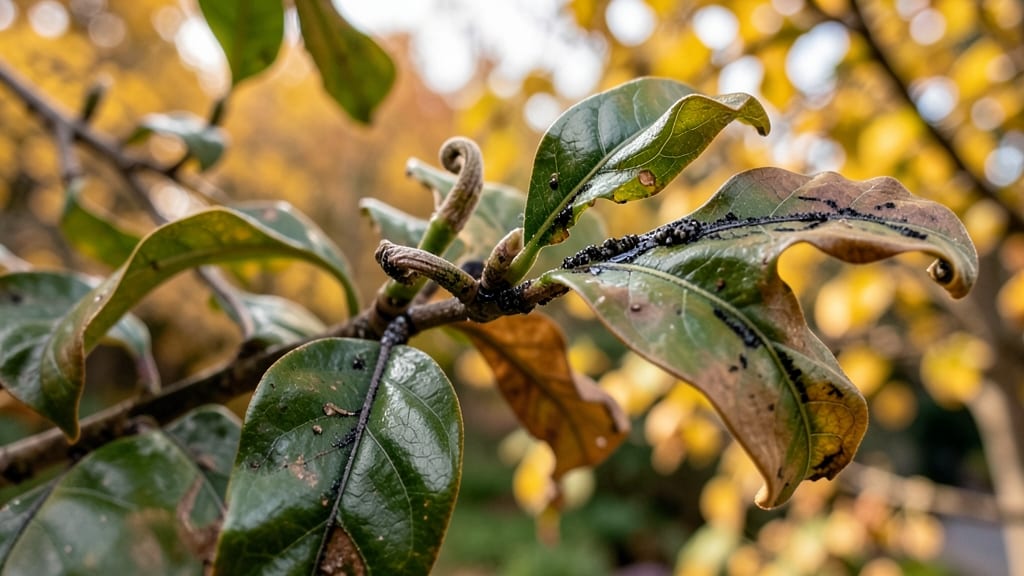
If your Magnolia × brooklynensis leaves are curling upward with a shiny, sticky residue, you’re likely dealing with an aphid infestation—a common but treatable issue in fall. These tiny pests feed on sap, distorting new growth and leaving behind honeydew, which can attract sooty mold if left unchecked.
Start by inspecting the undersides of leaves, where aphids cluster. A strong blast of water from your hose can dislodge them, but for stubborn infestations, apply horticultural oil (like neem oil) in the early evening to suffocate them without harming beneficial insects. Reapply every 5–7 days until the leaves return to their normal shape.
This method is especially effective for urban gardeners with limited space, as it avoids harsh chemicals while keeping your magnolia’s delicate foliage thriving. 🌱