
Pruning
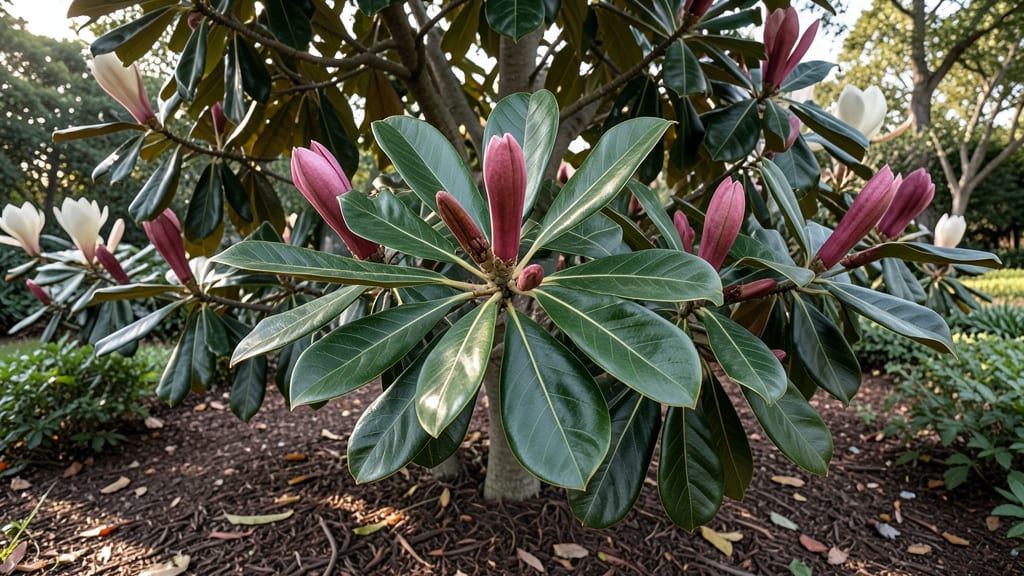
Those bright red magnolia tree berries look tempting, but they’re a no-go for your plate—and here’s why. 🌸 I’ve seen gardeners mistake them for edible fruit, only to learn they’re toxic to humans and pets, causing stomach upset or worse.
The good news? They’re actually a key part of the tree’s lifecycle, feeding birds and adding winter interest to your landscape.
First, understand they’re not for eating—ever. If birds or squirrels gobble them up, that’s nature’s plan, not yours. The berries also signal the tree’s health: plentiful, firm ones mean a thriving magnolia, while shriveled or moldy ones suggest stress or disease.
Prune away any damaged clusters to keep the tree looking its best and reduce pest risks.
If you’re dealing with an overabundance (and they’re everywhere by fall), you can safely remove them by hand or with pruners—just wear gloves. The real work happens in spring, when you’ll notice new growth where last year’s berries once hung.
That’s your cue to focus on feeding and watering the tree to support next season’s blooms.
Here’s the kicker: those berries aren’t just pretty—they’re a sign your magnolia is doing its job. Let them stay for the birds, but keep them out of reach of curious pets or kids.
With a little care, your tree will reward you with stunning flowers year after year, berries or not.
📚 In This Guide
- What you need
- Instructions
- Tips and common mistakes
- Wrapping up and next steps
What you need
- ● Safety gear: Gloves (nitrile or leather, 1 pair)
- ● Long-sleeved shirt and pants (to protect from thorns)
- ○ Safety glasses (optional but recommended)
- ● Harvesting tools: Pruning shears (sharp, bypass-style, 1 pair)
- ● Ladder or step stool (if berries are high up, 1 unit)
- ● Large mesh bags or buckets (2-3 units, for collecting berries)
- ● Kitchen twine or bungee cords (for securing bags, 1 roll)
- ● Processing supplies: Colander or fine-mesh strainer (1 unit)
- ● Clean towels or paper towels (for drying, 2-3 sheets)
- ● Baking sheet or tray (for air-drying, if applicable)
- ● Food-safe storage containers (glass jars or airtight plastic, 2-4 units)
- ● Disinfectant spray (for sterilizing tools)
- ● Labeling markers (for organizing harvested batches)
- ● Small fan or dehydrator (for faster drying)
- ● Recipe guides or notes (if planning to use berries in cooking)
Step-by-Step guide to harvesting and handling magnolia berries
Here's how I gather and preserve these stunning red-orange clusters at their best.
🌿 Step 1: Identify and Prepare for Harvest
Magnolia berries ripen in late summer to early fall, typically between August and October depending on your climate. Look for berries that have turned a deep, vibrant red-orange color—this is your cue they're ready. Don't wait until they're fully dried out on the tree; they'll fall to the ground and attract pests.
Grab a pair of pruning shears and a bucket or basket lined with a cloth or paper to catch the berries gently. I like to work on a dry morning after the dew has evaporated—this makes the branches easier to handle and reduces the risk of spreading fungal spores.
✂️ Step 2: Harvest the Berries Carefully
Snip the berry clusters directly from the branch, cutting about ½ inch below the fruit. Avoid pulling or twisting, as this can damage the tree. If the berries are heavy, you might need to support the branch with your other hand to prevent breaking it.
Handle the berries gently—they're delicate and can bruise easily. Place them in your lined container immediately to prevent crushing. I like to harvest only what I can process within 24 hours to keep them fresh and vibrant.
💧 Step 3: Rinse and Dry the Berries
Once home, rinse the berries under cool, running water to remove any dirt or debris. Pat them dry gently with a clean kitchen towel or paper towel. Avoid rubbing them, as this can cause bruising. Let them air-dry completely in a single layer on a clean, dry surface for about 1-2 hours.
I place a wire rack lined with parchment paper under a fan to speed up the drying process while keeping the berries from touching each other. This prevents mold and ensures even drying. Once fully dry, the berries should feel slightly firm to the touch and have a papery texture.
🪴 Step 4: Store for Long-Term Use
Store dried magnolia berries in an airtight container, such as a glass jar or plastic bag with a zip-top closure. Keep them in a cool, dark place, like a pantry or cupboard, where they'll stay fresh for up to 6 months. If you plan to use them sooner, store them in the fridge to extend freshness.
Label your container with the date and variety of magnolia if you have more than one type. I like to add a small note about how I plan to use them—whether for crafts, cooking, or simply enjoying their beauty. This way, I can keep track of their freshness and usage.
☀️ Step 5: Use or Preserve as Desired
Fresh magnolia berries can be used in homemade jams, teas, or decorative arrangements. If you're using them for crafts, like wreaths or potpourri, pick the berries when they're still slightly firm but fully colored. For culinary uses, dried berries add a unique, slightly tart flavor to dishes.
Here's the thing—magnolia berries are stunning in winter arrangements because they hold their color and shape beautifully. I often mix them with pinecones, eucalyptus, and dried citrus slices for a festive touch. If you're feeling adventurous, try infusing them in vodka or syrup for a unique twist on homemade liqueurs or flavored sugars.
Tips & tricks for perfect magnolia berry harvesting
These little-known secrets will help you get the most out of your magnolia berry harvest without the common pitfalls.
Timing is Everything: Harvest on a dry morning after dew has evaporated—this reduces fungal spores and makes branches easier to handle. I've found that berries picked between 8 AM and 10 AM hold their color and texture best. The 24-hour processing window mentioned in Step 2 is crucial because magnolia berries begin to degrade quickly once picked, especially in warm weather.
Harvesting Technique: Use pruning shears to cut about ½ inch below the fruit rather than pulling or twisting branches. This prevents damage to the tree and keeps the berry stems intact, which helps maintain their structural integrity during drying. I've ruined three batches by pulling berries—always cut cleanly!
Drying Optimization: The 1-2 hour drying time in Step 3 works best when you use a wire rack with parchment paper. Place the rack under a gentle fan to circulate air without creating drafts that could scatter the berries. I've found that berries dried this way maintain their vibrant color and papery texture for months longer than those dried on unlined surfaces.
Storage Wisdom: For maximum freshness, store dried magnolia berries in an airtight container with a small packet of silica gel or a slice of bread. The bread absorbs excess moisture while the berries retain their crispness. I've kept berries fresh for up to 8 months using this method in my cool pantry.
Pro Tips for Magnolia Tree Berries
- These little-known secrets will help you get the most out of your magnolia berry harvest without the common pitfalls.
- Timing is Everything: Harvest on a dry morning after dew has evaporated—this reduces fungal spores and makes branches easier to handle.
- Harvesting Technique: Use pruning shears to cut about ½ inch below the fruit rather than pulling or twisting branches.
Frequently asked questions
Got questions about magnolia tree berries?
Here are the answers to the most common ones—from harvesting to safety and everything in between!
Are magnolia tree berries safe to eat?
Most magnolia berries are not safe for humans—they’re often toxic due to cyanogenic glycosides. However, some varieties (like Magnolia denudata) produce edible fruit when fully ripe. Always research your specific tree and consult a local expert before consuming. Birds and wildlife love them, though!
When is the best time to harvest magnolia berries?
Harvest berries when they turn deep purple, red, or pink and feel soft to the touch (late summer to early fall). Avoid green or hard berries—they’re underripe and may be toxic. Wait until they naturally detach from the tree or use gentle pruning shears to avoid damaging the plant.
Can I substitute magnolia berries for other fruits in recipes?
While magnolia berries aren’t commonly used in cooking, their tart-sweet flavor can mimic gooseberries or blackberries in jams, syrups, or desserts. For a safer alternative, try hawthorn berries or serviceberry—both offer similar textures and mild flavors. Always test small batches first!
What should I do if I accidentally ingest toxic magnolia berries?
If you suspect poisoning (symptoms like nausea, dizziness, or vomiting), call Poison Control immediately (1-800-222-1222 in the U.S.). Avoid inducing vomiting unless instructed. Keep pets and children away from unripe or unidentified magnolia berries—prevention is key!
How do I store harvested magnolia berries for freshness?
Store edible magnolia berries in a paper towel-lined container in the fridge for up to 3–5 days. For longer storage, freeze them whole or purée them for smoothies. Non-edible varieties should be discarded promptly—never stored for consumption.
Will harvesting magnolia berries harm the tree?
No—light harvesting (a few clusters) won’t harm the tree. Over-picking can stress it, though, so limit to 10–20% of the crop per season. Focus on fallen or easily accessible berries to keep the tree healthy. Birds will handle the rest!
Wrapping up and next steps
Harvesting and handling magnolia tree berries at their peak freshness is a rewarding experience that connects you to nature’s bounty. Whether you’re preserving them for culinary adventures, crafting, or simply admiring their beauty, the key lies in timing, gentle care, and proper storage.
With the right tools and techniques—like harvesting when fully ripe, drying with precision, and storing in airtight containers—you’ll ensure these unique berries stay vibrant and useful for months.
Now that you’re equipped with the know-how, why not give it a try this season? Grab your gloves, head outdoors, and enjoy the process of turning nature’s gifts into something extraordinary. Happy harvesting! 🌿✨