
Pruning
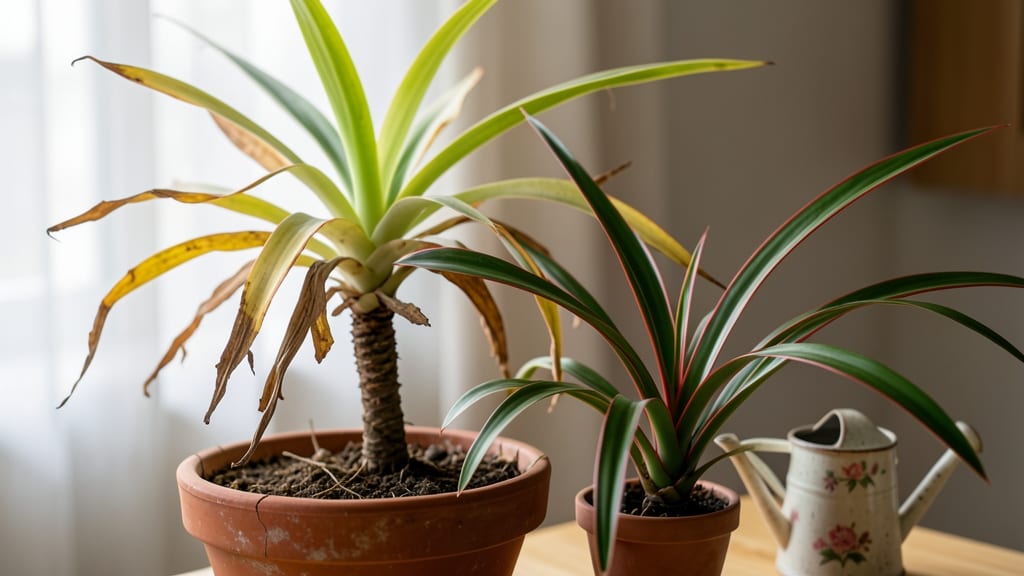
A Madagascar dragon tree dying with drooping leaves isn’t a death sentence—just a cry for help. 🌿 I’ve nursed back more than a few of these striking plants, and the fix often comes down to three overlooked factors: water, air, and light.
Most people assume it’s overwatering, but half the time it’s actually underwatering or dry air stealing moisture from the leaves.
The good news? No fancy tools or green thumbs required. You’ll need a moisture meter (or your finger), a spray bottle for humidity, and a bright but indirect spot. Start by checking the soil—if it’s bone-dry two inches down, water thoroughly.
If it’s soggy, let it dry completely before touching it again. Pests like spider mites love stressed plants, so inspect the undersides of leaves for tiny webs or cottony bugs.
Within a week of adjusting care, you’ll see new growth pushing from the center. The leaves will perk up, regain their glossy sheen, and the plant will start reaching toward the light again.
The key is consistency—dragon trees thrive on neglect once they’re established, but they’ll forgive you if you get their basic needs right.
For long-term success, keep the air moving gently (no drafts!) and mist occasionally. Rotate the pot every few months so it grows evenly. If all else fails, prune the damaged leaves—it’s shocking how much better the plant looks after a trim.
Your dragon tree will be back to its dramatic, architectural best in no time.
📚 In This Guide
- What you need
- Instructions
- Tips and common mistakes
- Wrapping up and next steps
What you need
- ● Pruning shears or sharp scissors – Sterilized to avoid spreading disease (rubbing alcohol wipe works!).
- ● Gloves – A pair of gardening gloves to protect your hands from sap (it can irritate skin!).
- ● Well-draining potting mix – A blend for succulents or cacti (or amend regular soil with perlite/pumice for drainage). Quantity: Enough to refresh the top 2–3 inches of soil.
- ● Watering can with a narrow spout – For precise watering (avoid over-saturating the roots!).
- ● Spray bottle with room-temperature water – To mist leaves gently (especially if the air is dry).
- ○ Houseplant fertilizer (balanced, 10-10-10 or similar) – Optional but helpful if the tree is nutrient-deficient. Dilute to half-strength.
- ● Small container or tray – For catching excess water during repotting.
- ● Rooting hormone – If you’re propagating cuttings from healthy stems.
- ● Humidity tray or pebble tray – To boost moisture levels if your home is dry.
- ● Grow lights or LED bulb – If your tree isn’t getting enough natural light.
- ● Soil moisture meter – To check root health without guessing.
Madagascar dragon tree dying: how to revive drooping leaves
Here’s the straightforward approach I use whenever my dragon tree’s leaves start sagging—it’s all about fixing the basics first.
💧 Step 1: Check and Adjust Watering
Madagascar dragon trees (Dracaena marginata) hate soggy roots but also can’t handle dryness. Stick your finger 1-2 inches deep into the soil—if it feels dry, water thoroughly until it drains from the bottom. If it’s still damp, wait 3-5 more days before checking again. Overwatering is the #1 killer, so I always let the top 2-3 inches dry out completely between waterings.
Use room-temperature water and avoid letting the plant sit in saucers of excess water. If the soil smells musty or the pot feels heavy, your dragon tree has root rot starting. In that case, stop watering entirely for 7-10 days to let the roots recover.
☀️ Step 2: Evaluate Light Conditions
Dragon trees thrive in bright, indirect light—think east or west-facing windows. If leaves are drooping and turning yellow or brown, it’s likely getting too much direct sun (especially south-facing windows). Move it 3-4 feet back from the window or use a sheer curtain to diffuse harsh light.
On the flip side, if leaves are pale or stretching toward the light (called "etiolation"), your plant isn’t getting enough. Rotate the pot a quarter turn weekly so growth stays even. A grow light 12-18 inches away for 10-12 hours daily works well if natural light is lacking.
🪴 Step 3: Inspect for Environmental Stressors
Drafts from windows, AC vents, or heaters can shock dragon trees. Keep yours in a spot with stable temperatures between 65-80°F—avoid placing it near doors that open frequently or in bathrooms with fluctuating humidity. If the air feels dry (common in winter), mist the leaves lightly 1-2 times a week or place the pot on a tray of pebbles with water to increase humidity.
Finally, check for pests like spider mites or scale insects—tap leaves over a white sheet of paper and look for tiny webs or sticky residue. Wipe leaves with a damp cloth if you spot pests, and isolate the plant until treated to prevent spread.
⏰ Step 4: Give It Time to Recover
Once you’ve adjusted watering and light, don’t panic if leaves stay droopy for 2-3 weeks. New growth takes time to firm up. Focus on keeping conditions consistent—no sudden changes. If the drooping persists after 4 weeks of proper care, the issue might be root-bound or disease, and repotting into fresh, well-draining soil may be needed.
Here’s the thing—dragon trees are tough. With the right care, they bounce back faster than you’d expect. I’ve revived plants that looked nearly dead just by fixing these three basics. Watch for new leaves at the top of the plant—that’s your sign things are improving!
Tips & tricks for reviving your Madagascar dragon tree
Real talk: I’ve nursed back more dragon trees than I can count, and these are the little details that make all the difference.
Soil Test Trick: The finger test in Step 1 is foolproof, but here’s the thing—soil can feel dry on top while staying damp deeper down. Use a chopstick or clean skewer to check moisture at 2-3 inches deep. If it’s still damp, hold off on watering. I’ve ruined plants by assuming "top dry = ready to water" when the roots were still soggy below.
Light Rotation Hack: When you rotate your pot that quarter turn weekly (Step 2), use this as your reminder to also check the undersides of leaves for dust buildup. Wipe them gently with a damp microfiber cloth—this helps the plant absorb more light. I’ve seen drooping improve within days just from this simple cleaning.
Temperature Troubleshooting: That 65-80°F range in Step 3 is critical, but here’s what nobody tells you: Dragon trees hate sudden temperature swings. If you’re near a window that gets cold drafts at night or a heater that kicks on in winter, move the plant away completely. I learned this the hard way after my plant’s leaves crisped overnight from a window AC unit.
Root Recovery Watch: When root rot sets in and you need to stop watering for 7-10 days (Step 1), don’t assume the plant is doomed. Place the pot in a bright spot with indirect light and monitor closely. You’ll often see new growth emerge from the top within 2-3 weeks—just be patient and consistent with your care.
Pro Tips for Madagascar Dragon Tree Dying
- Real talk: I’ve nursed back more dragon trees than I can count, and these are the little details that make all the difference.
- Soil Test Trick: The finger test in Step 1 is foolproof, but here’s the thing—soil can feel dry on top while staying damp deeper down.
- Light Rotation Hack: When you rotate your pot that quarter turn weekly (Step 2), use this as your reminder to also check the undersides of leaves for dust buildup.
Frequently asked questions
about your Madagascar Dragon Tree (Dracaena marginata) can save time and stress! Here are answers to common concerns to help you revive your plant and keep it thriving.Why is my Madagascar Dragon Tree drooping even after watering?
Overwatering is the #1 killer of dragon trees. Yellow leaves or mushy stems mean root rot—let the soil dry completely between waterings. Check drainage holes and repot if needed. Adjust your watering schedule to every 2–3 weeks (less in winter).
How long does it take for a dying dragon tree to recover?
With proper care, you’ll see improvement in 2–4 weeks. Focus on:
- Pruning dead leaves (use sterilized scissors)
- Moving to bright, indirect light (no direct sun)
- Reducing humidity (they hate soggy roots!)
If no growth after a month, check for pests (like spider mites) or root rot.
Can I save a dragon tree with brown, crispy tips?
Brown tips usually mean low humidity or fluoride buildup from tap water. Try these fixes:
- Use filtered or distilled water only.
- Mist leaves daily or place a pebble tray nearby.
- Trim the brown tips with clean scissors.
New growth should emerge in 4–6 weeks!
What’s a good alternative if my dragon tree keeps dying?
If you’re struggling, try these low-maintenance plants:
| Plant | Why It’s Better |
|---|---|
| Snake Plant (Sansevieria) | Tolerates neglect and low light. |
| ZZ Plant (Zamioculcas zamiifolia) | Thrives in dry conditions and shade. |
| Ponytail Palm (Beaucarnea recurvata) | Stores water—drought-resistant! |
All three are hardier than dragon trees but still stylish!
Is it too late if my dragon tree’s leaves are falling off?
Not necessarily! If the stem is still firm and roots are healthy (white, not black/mushy), prune the dead leaves and adjust care. If the entire plant is mushy, it may be beyond saving—but take cuttings to propagate! Dip healthy stems in rooting hormone and place in water.
Wrapping up and next steps
Don’t let a drooping Dracaena marginata (Madagascar Dragon Tree) dim your space—your green thumb can bring it back to life! 🌿 With the right care—adjusting light, water, and humidity—your plant can bounce back stronger than ever.
Start by diagnosing the issue (root rot? overwatering?) and act fast with the fixes above.
Ready to revive your dragon tree? Pick one step from this guide today—whether it’s trimming dead leaves or adjusting its pot—and watch it thrive! 🌱 Still unsure? Check out our FAQs for extra tips.