
Pruning
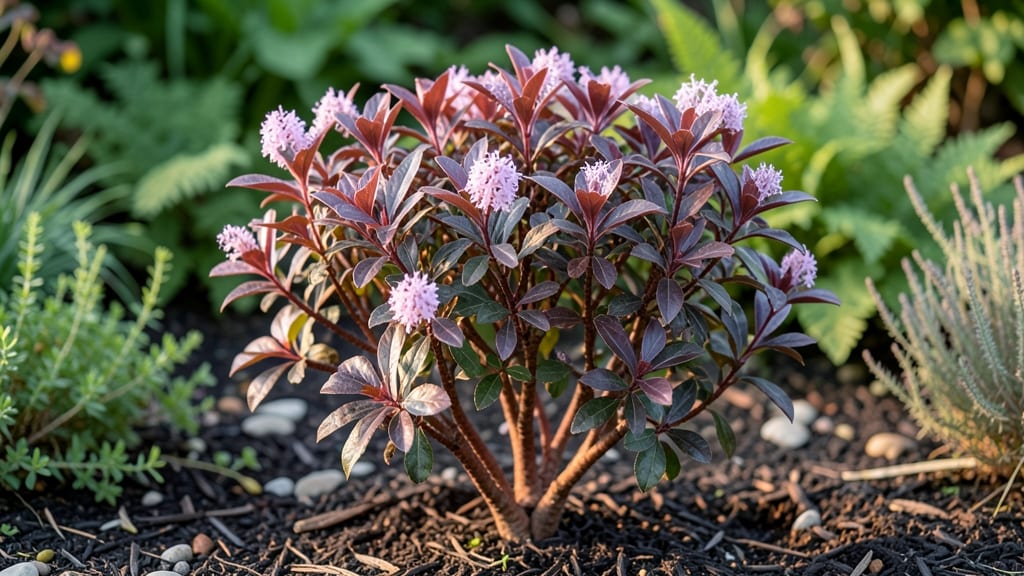
The loropetalum tree height you end up with depends entirely on the variety you choose, with some staying compact at just 3 feet while others stretch toward 10 feet or more.
If you’re dreaming of a stunning, low-maintenance shrub that thrives in heat and humidity while adding vibrant color to your landscape, the loropetalum tree might be your perfect match—but first, you need to know how tall it really grows.
Dwarf varieties like 'Purple Petticoats' stay under 4 feet, making them ideal for borders or containers, while 'Rhapsody' can reach 8 feet or taller if left unpruned.
Below, I’ll break down the height ranges of the most popular loropetalum varieties, how to control their growth, and the pruning tricks that keep them looking polished year-round.

Loropetalum tree height by variety: from dwarf to giant
Choosing the right loropetalum variety depends entirely on your space and design goals. These shrubs grow from compact 3-foot dwarfs to towering 10-foot specimens, making them perfect for everything from container gardens to privacy screens.
Let’s explore the most popular cultivars and their mature heights so you can pick the perfect fit for your landscape.
The growth rate of loropetalum varies by variety, but most gain 1-2 feet per year under ideal conditions. In warmer climates (USDA Zones 7-10), they thrive year-round, while colder regions may see slower growth. Understanding these differences helps you plan spacing and pruning strategies from day one.
🌿
For small-space gardeners, 'Tiny Wine' and 'Purple Petticoats' are my top picks—they stay compact without sacrificing color. These varieties thrive in 15-gallon containers and can even be grown as bonsai with proper pruning. Their slow growth makes them ideal for renters or urban balconies.
If you’re planning a privacy hedge, 'China Girl' and 'Rhapsody' deliver the most impact. These varieties grow quickly and develop dense foliage, blocking noise and views effectively. Just be prepared for their 8-10 foot mature height—they’ll need regular pruning to maintain shape and prevent overcrowding.
🌳
Spacing is critical for loropetalum health. Plant dwarf varieties like 'Purple Petticoats' at least 3 feet apart to allow airflow, while larger types like 'China Girl' need 8-10 feet of clearance.
Proper spacing prevents disease and makes future pruning easier. I always recommend planting 1-2 feet deeper than the nursery pot to encourage strong root development.
One common mistake I see is underestimating growth potential. Even 'Tiny Wine' can reach 4 feet if left unpruned, so always account for future expansion.
For example, if you plant three 'Rhapsody' shrubs in a row, give them 15 feet total space at maturity. This foresight saves headaches down the road.
🪴
Climate plays a surprising role in loropetalum height. In hot, humid zones (8-10), these shrubs grow faster and reach their mature height sooner. But in cooler regions (Zone 7), growth slows significantly, especially in winter.
If you live in a colder area, choose a dwarf variety or expect a 2-3 year delay before reaching full size.
For color enthusiasts, 'Plum Delight' offers the most vibrant foliage, with deep purple leaves that intensify in cooler weather. However, its 5-7 foot height means it’s better suited for medium-sized gardens.
If you love the color but need something smaller, 'Purple Petticoats' provides a similar hue in a more manageable package.
🌿
How to prune loropetalum for controlled height & shape
Pruning your loropetalum tree isn't just about keeping it tidy—it's the secret to controlling its height and encouraging that lush, bushy growth you love.
Whether you're dealing with a 6-foot dwarf variety or a 10-foot standard shrub, proper pruning techniques will help you maintain the perfect size for your landscape design. The key is timing, tools, and knowing where to cut to avoid damaging the plant's natural structure.
Timing is everything when it comes to pruning loropetalum. The best time to prune is in late winter or early spring, just before new growth begins. This allows you to shape the plant while it's still dormant, reducing stress and promoting healthy regrowth.
Avoid heavy pruning in fall or winter, as this can leave the plant vulnerable to cold damage and disease. For light maintenance pruning, you can also trim throughout the growing season to keep the shape you desire.
Step-by-Step Pruning Guide for Loropetalum
-
Step 1: Gather your tools
- ✂️ Bypass pruners for clean cuts on small branches
- 🪒 Loppers for thicker branches (up to 1-inch diameter)
- 🧼 Rubbing alcohol to sterilize tools between cuts
- 🧤 Gloves to protect from thorns
-
Step 2: Assess the plant
- 🌿 Identify dead or diseased branches (remove first)
- 📏 Locate the target height for your variety
- 🌱 Spot overcrowded areas needing thinning
-
Step 3: Prune for height control
- ✂️ Cut just above a leaf node (never at a joint)
- 📉 Reduce height by 1/3 at a time for gradual shaping
- 🌿 Aim for open center growth to improve airflow
-
Step 4: Encourage bushiness
- 🌱 Trim backward-growing branches to redirect energy outward
- 🌿 Pinch new growth tips to stimulate side shoots
- 🌸 Remove spent flowers to encourage more blooms
-
Step 5: Clean up and monitor
- 🧹 Remove all pruned debris from the area
- 💧 Water thoroughly after pruning to reduce stress
- 📅 Schedule light maintenance every 6-8 weeks
One of the most common mistakes gardeners make is pruning too aggressively, which can shock the plant and lead to stunted growth or even death. Loropetalum trees are resilient, but they prefer gradual shaping over drastic cuts.
If you're trying to reduce the height of a mature plant, spread your pruning out over 2-3 years rather than doing it all at once. This gives the plant time to recover and maintain its vigor.
For flowering varieties, timing your pruning is crucial. If you prune too late in the season, you might remove next year's flower buds. Always prune after flowering for most loropetalum cultivars, typically in late spring or early summer.
This ensures you don't accidentally cut off potential blooms while still maintaining the shape you want. Pay attention to your specific variety's flowering habits—some may bloom earlier or later in the season.
Don't forget that loropetalum trees respond well to regular maintenance pruning throughout the growing season. Light trimming every 6-8 weeks helps maintain your desired shape and encourages dense, healthy growth. Focus on removing any crossing branches or those growing inward, as these can create weak spots and reduce airflow.
With consistent care, your loropetalum will reward you with vibrant foliage and beautiful blooms year after year.
🌿 For best results, combine pruning with proper fertilization and watering to support new growth. A balanced 10-10-10 fertilizer applied in early spring will give your loropetalum the nutrients it needs to bounce back beautifully after pruning.