
Pruning
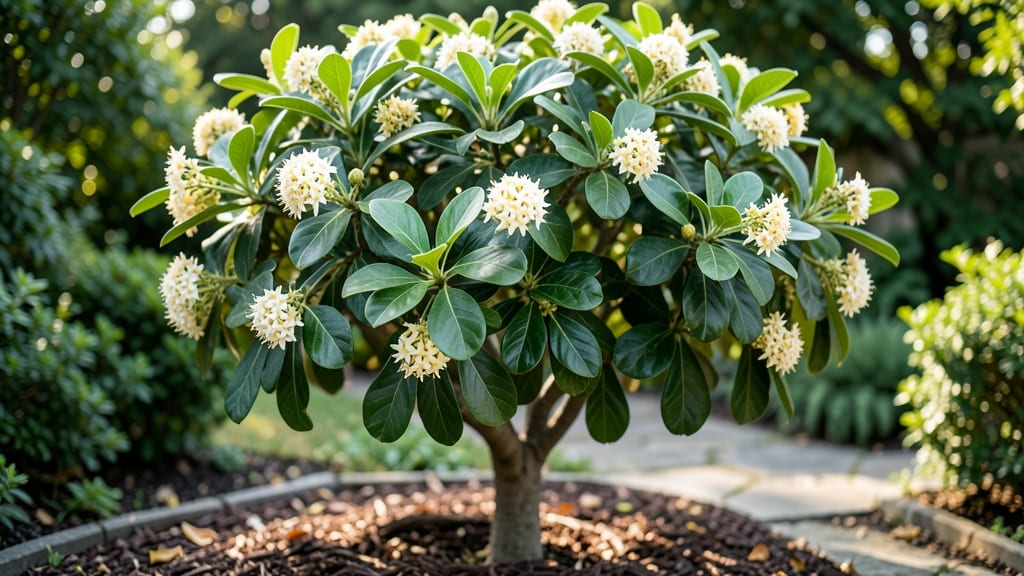
Loquat tree flowers bloom in late winter to early spring, producing fragrant white blossoms that precede fruit. Cold winter chilling (300-500 hours below 45°F) triggers blooming, while proper pruning, sunlight exposure, and balanced fertilization encourage abundant flowering each season.
The timing of these blossoms depends heavily on your climate zone. 🌸 In warmer regions like Florida or California, loquat trees often bloom earlier (December-February), while colder areas may see flowers appear as late as April.
The key is ensuring your tree gets enough winter dormancy—without it, buds won't form properly. I've found that trees in USDA zones 7-10 thrive best, as they naturally experience the required chilling hours.
Beyond chilling, proper care makes all the difference. Pruning in late winter (just before blooms appear) improves airflow and sunlight penetration, while a balanced fertilizer (like 10-10-10) applied in early spring gives the tree the nutrients it needs for vigorous growth.
Over-fertilizing with nitrogen, though, can actually reduce flowering—so moderation is key.
💡 In This Article
- Climate and Chilling Requirements for Loquat Tree Flowers
- Pruning and Care Tips to Boost Loquat Flower Production
Climate and chilling requirements for loquat tree flowers
Loquat trees (Eriobotrya japonica) are subtropical evergreens that rely on a specific temperature trigger to produce their iconic white blossoms. The botanical term for this is "dormancy breaking," where the tree requires 300-500 hours of temperatures below 45°F (7°C) during winter.
This chilling period signals the tree's internal clock that winter has passed, prompting hormone shifts that initiate bud formation. Without sufficient chilling, buds may fail to develop entirely, or the tree might produce sparse, weak flowers that don't set fruit properly.
The magic happens through a process called "endodormancy," where the tree's growth is chemically suppressed until temperatures rise. In regions with mild winters like USDA zones 9-11, loquat trees often bloom between December and February, while in cooler zones (7-8), flowering may extend into March or April.
Interestingly, trees in Florida or Southern California sometimes require artificial chilling if winters are too warm, achieved through techniques like temporary shade or even moving potted trees to cooler microclimates during winter months.
What's fascinating is how the tree's native habitat in China and Japan influences its adaptations. Wild loquats evolved in regions with distinct seasonal temperature shifts, unlike tropical relatives that bloom year-round.
This makes them more sensitive to consistent warmth—if your tree never experiences these cooler nights, it may produce leaves but skip flowering entirely. 🌡️ For example, a tree in Houston (zone 9a) might need supplemental chilling, while one in Orlando (zone 10a) could struggle unless given winter protection.
Temperature thresholds also affect flower quality. Buds exposed to consistent freezing below 28°F (-2°C) for extended periods may suffer damage, while rapid temperature swings (like Florida's coastal winters) can stress the tree. The sweet spot is 35-45°F (2-7°C) for chilling, where the tree gets the dormancy signal without physical harm.
This is why growers in marginal zones often use frost blankets or microclimate management to protect their trees during critical bloom periods.
Understanding these requirements helps explain why loquat trees sometimes bloom erratically. A tree that gets only 200 hours below 45°F might produce a few flowers but fail to set fruit, while one with 500+ hours will typically have abundant, healthy blooms.
This chilling threshold is why loquats thrive in Southern California's Mediterranean climate but struggle in deep South Florida's consistent warmth—the difference is often just a few hundred chilling hours.
Here's what most gardeners miss: The chilling requirement isn't just about cold nights—it's about the duration of those nights. A single cold snap won't cut it; the tree needs consistent exposure over weeks.
This is why urban trees in heat islands (like downtown Los Angeles) often bloom later or less vigorously than rural counterparts just 20 miles away. 🌳 The urban heat can reduce effective chilling hours by 30-50%, sometimes enough to prevent proper flowering.