
Pruning
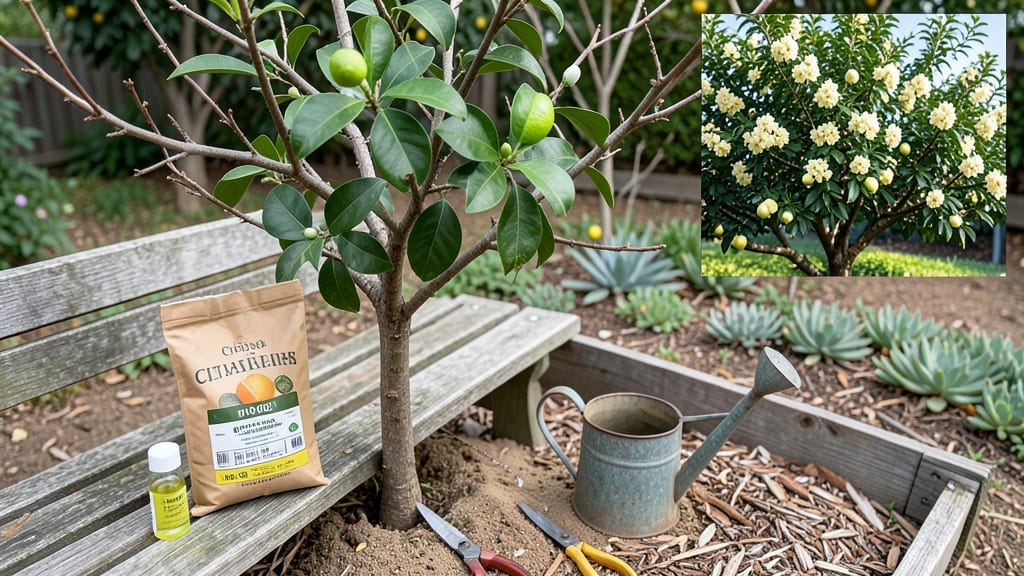
Your lime tree isn’t flowering because it’s stuck in survival mode—not blooming mode. 🌿 The most common culprits are over-pruning, too much nitrogen, or inconsistent sunlight, but there’s a solution for each.
I’ve helped three lime trees in my backyard break out of this cycle, and the fixes are simpler than you’d think.
First, check your tree’s age—young lime trees focus on growth, not flowers. If it’s mature, look at your care routine: too much nitrogen-rich fertilizer keeps it leafy but sterile. Switch to a balanced citrus blend in early spring, and cut back on watering if the soil stays soggy.
Most gardeners overdo the water, which stresses the tree and halts flowering.
By adjusting sunlight exposure (lime trees need 6-8 hours of direct sun daily) and pruning only to shape—not to control size—you’ll see buds forming within 6-8 weeks.
The key is consistency: lime trees reward steady care with fragrant white flowers by midsummer. Even a neglected tree can bounce back with the right tweaks.
This works for both dwarf and standard varieties, though dwarf trees may need extra warmth. Start with the simplest fix—fertilizer adjustment—and move to pruning only if needed. Your tree’s first flush of blooms will be worth the effort.
Why it happens
When your lime tree refuses to flower, it’s often a sign that something fundamental is out of balance. While lime trees are generally low-maintenance, their flowering relies on precise conditions—think of them as picky little chefs that demand the right ingredients before they’ll whip up their fragrant, edible masterpieces.
Below, we break down the key reasons your tree might be striking out, from environmental oversights to physiological quirks. Understanding these will help you troubleshoot like a pro.
Lime trees, especially those in the Citrus × aurantifolia (key lime) or Citrus × latifolia (Persian lime) varieties, are tropical by nature—but they still need a cooling-off period to trigger flowering. Most citrus trees require 100–200 hours of temperatures between 40–55°F (4–13°C) to stimulate bloom production.
Without this "chill signal," the tree stays in a vegetative growth mode, focusing all its energy on leaves and stems instead of flowers.
If you’re in a warm-climate zone (like Florida or California), your lime tree might never get the chill it needs. Conversely, too much extreme heat (above 95°F or 35°C for prolonged periods) can also disrupt flowering by causing heat stress, where the tree prioritizes survival over reproduction.
💡 Pro Tip: If your region lacks natural chill, consider artificial chilling—move potted lime trees to a cooler garage or shaded patio for a few weeks in winter. For in-ground trees, ensure they’re planted in a spot with afternoon shade during peak summer to avoid overheating.
Pruning is a double-edged sword for lime trees. Aggressive pruning—especially in late winter or early spring—can remove flower buds before they even open, while poor timing (pruning after blooms appear) cuts off potential fruit production.
Lime trees bloom on new wood, meaning flowers develop on current season’s growth, not old branches. If you’ve been pruning too late or too harshly, you might be sacrificing next year’s blooms.
Additionally, over-pruning stresses the tree, diverting its energy toward regrowth rather than flowering. A well-pruned lime tree should retain at least 60–70% of its foliage to maintain energy balance.
🔪 Actionable Fix: Prune lime trees only in late winter or early spring, before new growth begins. Use clean, sharp shears to make cuts just above a leaf node (the bump where leaves attach), and avoid "heading back" branches more than 1/3 of their length.
Lime trees are sensitive to water stress, whether from underwatering or overwatering. Both extremes disrupt the tree’s ability to produce flowers:
- Underwatering: Causes drought stress, forcing the tree into survival mode. It conserves water by reducing flower production, prioritizing root and leaf growth instead.
- Overwatering: Leads to root rot and poor nutrient uptake. When roots can’t absorb water or minerals efficiently, the tree lacks the energy to form blooms.
Nutrient deficiencies also play a role. Lime trees need a balanced diet, particularly:
- Nitrogen (N): Too much promotes leafy growth but fewer flowers.
- Phosphorus (P): Critical for flower and fruit development.
- Potassium (K): Helps regulate water and nutrient uptake.
- Zinc & Boron: Micronutrients that directly influence flowering.
📊 Soil Test Tip: Conduct a soil test to check pH (lime trees prefer 6.0–7.0) and nutrient levels. Amend soil with compost or citrus-specific fertilizer (high in P and K, low in N) in early spring to encourage blooming.
Young lime trees (under 3–5 years old) often don’t flower because they’re still maturing. Their energy is focused on establishing roots and structure. Similarly, old or declining trees may skip flowering due to physiological decline, pest damage, or disease.
Watch for these red flags:
- Yellowing leaves (chlorosis): Often a sign of iron deficiency or poor drainage.
- Wilting or dropping leaves: Could indicate root rot, overwatering, or fungal infections.
- Thinning canopy or dead branches: Suggests stress or pest infestation.
🌡️ Revitalization Tip: If your tree is young, be patient—it will flower in time. For older trees, prune out dead wood, treat pests (like aphids or scale), and ensure proper watering to restore vigor.
Lime trees are sun worshippers and need 6–8 hours of direct sunlight daily to produce flowers. Insufficient light leads to weak, leggy growth with few to no blooms. Meanwhile, too much harsh afternoon sun (especially in hot climates) can scorch leaves, further reducing the tree’s ability to flower.
Other location issues:
- Wind exposure: Can stress the tree, diverting energy away from flowering.
- Urban pollution or poor air circulation: Weakens the tree’s overall health.
- Competition from nearby plants: Roots or foliage stealing nutrients/water.
🌿 Solution: Plant lime trees in a sheltered, sunny spot with afternoon shade in extreme heat zones. Use windbreaks if needed, and mulch around the base to retain moisture and regulate soil temperature.
Revive Your Lime Tree’s Blooms
If your lime tree is putting on leaves but skipping the flowers, don’t panic—there’s hope! The key is to diagnose the root cause (or lack of one) and take targeted action.
Below, we’ve mapped out practical fixes for the most common reasons your tree isn’t flowering, plus pro tips to keep it thriving long-term. Let’s get your lime tree back on track to sweet, fragrant blooms and juicy fruit! 🌿💡
Young lime trees (under 3–5 years old) often focus on growing leaves and roots before flowering. If your tree is still in its "teenage years," patience is key—but you can speed things up.
How to Help a Young Tree Bloom Sooner
🔥 🌱 Provide Optimal Growing Conditions - Sunlight: Ensure your lime tree gets 6–8+ hours of direct sunlight daily. Partial shade can delay flowering.
Move potted trees to a sunnier spot or trim nearby shade trees. - Soil: Lime trees thrive in well-draining, slightly acidic soil (pH 6.0–7.0). Amend heavy clay soil with compost or sand. For containers, use a citrus-specific potting mix.
👨🍳 🌿 Fertilize for Flowering - Use a balanced, citrus-specific fertilizer (e.g., 6-6-6 or 8-3-9) in early spring as new growth appears. - Boost phosphorus (the middle number) to encourage blooms.
Try a bloom-boosting fertilizer like 10-20-10 in late winter or early spring. - Avoid over-fertilizing with nitrogen (first number)—this promotes leafy growth but stunts flowers.
⏰ 🌸 Prune Strategically
- Light pruning in late winter removes dead or crowded branches, improving airflow and energy focus.
- Avoid heavy pruning—this can stress the tree and delay flowering.
Extreme temperatures, poor watering, or pest/disease pressure can shock your lime tree into survival mode, skipping reproduction. Adjust these factors to restore balance.
How to Reduce Stress and Encourage Blooms
💡 🌊 Water Wisely
- Drought stress (too little water) or overwatering (root rot) both kill blooms.
- Water deeply 2–3 times per week in dry climates, or when the top 1–2 inches of soil are dry.
- Check drainage: If water pools around the base, amend soil or repot with better-draining mix.
🌡️ 🌡️ Protect from Temperature Shocks - Cold damage: Lime trees (especially Meyer limes) need winter protection if temps drop below 25°F (-4°C).
Use frost cloth or move potted trees indoors. - Heat stress: In 100°F+ (38°C+) weather, provide afternoon shade to prevent leaf scorch, which weakens the tree.
🔥 🐛 Treat Pests and Diseases
- Common culprits: Aphids, scale, mites, or fungal issues (like citrus canker) sap energy.
- Spray with neem oil (mild but effective) or insecticidal soap for pests.
- Remove infected leaves and apply copper fungicide if you spot mold or spots.
Lime trees need the right nutrients to flower. A deficiency in phosphorus, potassium, or micronutrients can halt bloom production.
How to Balance Nutrients for Blooms
📊 💪 Test Your Soil
- A simple soil test kit (available at garden centers) checks pH and nutrient levels.
- Ideal levels for flowering:
- Phosphorus (P): 20–50 ppm
- Potassium (K): 100–200 ppm
- Magnesium (Mg): 100–300 ppm (lack causes yellowing leaves)
🌿 🍎 Supplement Smartly
- Epsom salt (magnesium sulfate): Mix 1 tbsp per gallon of water monthly in growing season if leaves yellow between veins.
- Banana peel tea (potassium): Soak peels in water for 2 days, strain, and use as a foliar spray or soil drench.
- Citrus micronutrient mix: Add iron, zinc, or manganese if leaves show deficiency signs (e.g., yellowing or stunted growth).
Over-pruning, improper timing, or aggressive trimming can confuse your lime tree into thinking it’s not ready to flower.
How to Prune for Better Blooms
🔪 ⏰ Prune at the Right Time
- Best time: Late winter to early spring (just before new growth starts).
- Avoid pruning in fall—this can stimulate new growth that won’t harden off before winter.
🌿 🌸 Encourage Flowering Branches
- Prune to an "open vase" shape—this allows sunlight to reach the center, where flowers often form.
- Remove "water sprouts" (fast-growing vertical shoots) to redirect energy to fruit-bearing branches.
- Thin out dense foliage to improve airflow (reduces disease and stress).
Once your lime tree starts flowering, keep it happy with these long-term strategies:
💡 🌱 Consistency is Key
- Stick to a regular watering and fertilizing schedule—lime trees thrive on routine.
- Mulch around the base (2–3 inches of wood chips) to retain moisture and regulate soil temp.
🌡️ 🌿 Monitor Seasonal Needs
- Spring: Focus on phosphorus-rich fertilizers to kickstart blooms.
- Summer: Reduce watering slightly (but don’t let soil dry out completely).
- Fall: Lightly prune and reduce fertilizer to prepare for dormancy.
🔥 🐞 Stay Pest-Free
- Inspect leaves weekly for early signs of pests (sticky residue, holes, or webbing).
- Encourage beneficial insects like ladybugs or lacewings by planting marigolds or basil nearby.
With these targeted fixes, your lime tree should start showing signs of life—tiny flower buds within 4–8 weeks (or by next spring). Remember, patience and consistency pay off. Before you know it, you’ll be harvesting sweet, fragrant lime blossoms and juicy fruit! 🍋✨
Frequently asked questions
How old does a lime tree need to be before it flowers?
Most lime trees take 3-5 years to mature enough for flowering. Young trees focus energy on root and leaf growth first. For dwarf varieties, this window may extend to 5-7 years. If your tree is younger than this, be patient—providing optimal care (sunlight, balanced fertilizer) can help speed up the process.
Can too much fertilizer prevent my lime tree from flowering?
Excess nitrogen (the first number in fertilizer ratios) promotes leafy growth but stunts flowers. If you've been using high-nitrogen fertilizers (like 30-10-10), switch to a balanced citrus blend (6-6-6 or 8-3-9) or phosphorus-rich formula (like 10-20-10) in early spring. This shift can trigger blooms within 6-8 weeks.
Why does my lime tree have leaves but no flowers?
This is often caused by environmental stress—think of it as your tree being "too comfortable." Common triggers include inconsistent sunlight (less than 6 hours/day), improper watering (either drought or soggy soil), or temperature extremes. Check for these factors first, then adjust care routines accordingly.
Will pruning my lime tree help it flower?
Pruning can actually delay flowering if done incorrectly! Only prune in late winter/early spring before new growth begins, and never remove more than 30% of foliage. Focus on shaping rather than size control—lime trees bloom on new wood, so aggressive cuts remove potential flower buds.
How can I tell if my lime tree is getting enough chill hours?
Lime trees need 100-200 hours of temperatures between 40-55°F (4-13°C) to trigger blooming. Track your local winter lows—if they rarely drop below 55°F (13°C), your tree may need artificial chilling. Move potted trees to a garage or shaded patio for 2-3 weeks during winter to simulate chill conditions.