
Pruning
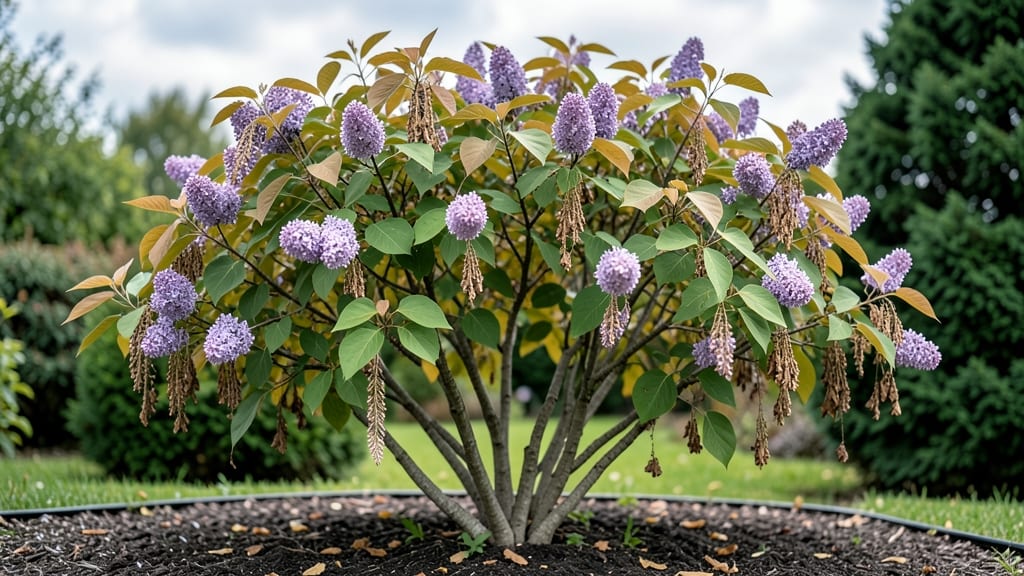
Your lilac tree’s autumn pruning could mean three times the spring blooms next year—if you do it right. ✂️ I’ve watched lilacs go from sparse purple puffs to overflowing hedges after a single season of strategic cuts, and the secret isn’t complicated: timing, technique, and knowing which branches to keep (and which to sacrifice).
Fall is the ideal time to prune lilacs because the tree’s energy shifts toward root growth and next year’s buds. You’ll remove dead wood, shape the canopy, and encourage stronger blooms—all while the tree still has enough warmth to heal.
The key? Cutting right after flowering (late summer/early fall) and avoiding heavy pruning that stresses the tree before winter.
What you’ll end up with is a lilac that bursts with fragrance earlier in spring, stays bushier, and resists disease better. The pruned branches make great firewood too—just don’t burn them if you want next year’s blooms to be even better.
The best part? This method works for both old and new lilacs, no matter your climate zone.
Fair warning: If you prune too late, you risk encouraging new growth that won’t harden off before frost. And if you skip this step, your lilac might just become that sad, leggy shrub everyone in the neighborhood pities. Let’s fix that—here’s exactly how to do it without killing your tree.
📚 In This Guide
- What you need
- Instructions
- Tips and common mistakes
- Wrapping up and next steps
What you need
- ● Pruning shears: Sharp, bypass-style shears (2–4 inches long) for clean cuts on small stems.
- ● Loppers: 8–12-inch bypass loppers for thicker branches (1–2 inches in diameter).
- ● Pruning saw: A curved-tooth saw for branches over 2 inches thick.
- ● Garden gloves: Heavy-duty, cut-resistant gloves (size medium/large for comfort).
- ● Disinfectant: 70% isopropyl alcohol or rubbing alcohol to sterilize tools between cuts.
- ● Rag or paper towels: For wiping tools clean.
- ● Ladder or step stool (if tree is over 6 feet tall).
- ● Extension pole pruners (for high branches without a ladder).
- ● Marking spray (to highlight cuts before pruning).
- ● Heavy-duty trash bags (for collecting pruned branches).
- ● Hand sanitizer (to keep hands clean post-pruning).
- ● Check weather: Prune on a dry, calm day (avoid wind or rain).
- ● Wear closed-toe shoes and long sleeves for protection.
- ● Have a first-aid kit handy (just in case!).
- ● Confirm lilac tree health: Prune only if branches are dry or dead—avoid cutting green wood.
Instructions for autumn lilac pruning
Here's how to refresh your lilac for next year's showstopper blooms—without sacrificing its health.
✂️ Step 1: Time Your Pruning Perfectly
Wait until after the first hard frost but before mid-winter—typically December through February in most climates. This timing lets the tree rest after blooming while avoiding late-season growth that could damage tender new shoots. I always check the forecast for a 3-day stretch above 40°F before grabbing my pruners.
If you prune too early, you risk encouraging new growth that won't harden off before winter. Too late, and you'll cut back into next year's flower buds hidden under last season's wood. Look for brown, crispy leaves as your cue—this signals the tree's dormant phase has begun.
✂️ Step 2: Identify and Remove Dead or Diseased Wood
Start by scanning the tree for branches with no leaves, brown bark, or blackened cankers. These are your first targets—they're either dead or harboring pests. Cut these back to healthy green wood using clean, sharp pruners. I make my cuts at a 45-degree angle, about ¼ inch above a outward-facing bud to encourage proper regrowth.
Don't worry about leaving small stubs—lilacs heal quickly. The key is removing any branch thinner than a pencil that shows signs of disease. If you see powdery mildew (white fuzzy spots), sterilize your pruners with 70% rubbing alcohol between cuts to prevent spreading.
✂️ Step 3: Thin Out Crowded Branches
Lilacs bloom on old wood, so you're not removing flower buds—you're creating space for stronger growth. Focus on crossing branches (rubbing against each other) and inward-growing stems (pointing toward the center). Cut these all the way back to the trunk or to a strong outward-facing bud.
Here's my rule: Never remove more than 25% of the tree's foliage in one season. You'll see the best results when you open up the center to improve airflow and sunlight penetration. Thin branches should be about pencil-thick—thinner ones can wait until next year.
✂️ Step 4: Shape the Tree for Next Year's Blooms
Step back and assess the tree's natural shape. Lilacs grow best with an open, vase-like form. I like to reduce the height by about 1/3 to encourage bushier growth. Make your cuts just above a bud that faces outward—this ensures new branches grow away from the center.
For multi-stemmed lilacs, select 3-5 strong central branches and prune the rest back to the ground. This forces energy into the remaining stems, creating a fuller, more vibrant display next spring. Avoid shearing—lilacs bloom on individual stems, not on new growth from cut surfaces.
🌿 Step 5: Clean Up and Prep for Spring
After pruning, collect and dispose of all clippings—don't compost them. Lilac debris can harbor borers and fungal spores that might reinfect your tree. I bag mine and toss them in the trash. Then, sterilize your pruners with rubbing alcohol again to prevent cross-contamination.
Give the base of the tree a 2-inch layer of mulch (but keep it 6 inches away from the trunk) to protect roots from winter temperature swings. Water deeply once after pruning if your autumn has been particularly dry—this helps the tree recover before dormancy sets in.
Tips & tricks for perfect autumn lilac pruning
These simple strategies will help you transform your lilac into a blooming powerhouse next spring—without the guesswork.
Timing is Everything: The December through February window is non-negotiable for healthy lilacs. Here's my foolproof trick: Check for three consecutive days above 40°F after the first hard frost. This warm spell signals the tree's dormant phase has truly begun. I set a calendar reminder for my zone's average last frost date to stay on track.
Tool Prep Makes All the Difference: Before you even touch the tree, sterilize your pruners with 70% rubbing alcohol—this prevents spreading disease from one cut to the next. I also sharpen my blades with a file so they cut cleanly, which means less stress on the tree. A small brush (like a clean paintbrush) helps clear debris from tight spots where your fingers can't reach.
Visual Cues for Perfect Cuts: When making your cuts in Step 2 and Step 4, look for the 45-degree angle and ¼-inch above the bud—this ensures new growth emerges in the right direction. I use a small piece of masking tape marked with these measurements as a quick reference. For multi-stemmed lilacs, count your central branches—3-5 strong stems is ideal for maximum bloom potential next season.
Post-Pruning Care Secret: The 2-inch mulch layer should be fluffy, like fresh coffee grounds—not packed down. I use shredded hardwood mulch because it breaks down slowly and improves soil structure. Watering once after pruning (if autumn was dry) gives roots a final boost before winter. This simple step prevents transplant shock and helps the tree store energy for spring blooms.
Pro Tips for Lilac Tree In Autumn
- These simple strategies will help you transform your lilac into a blooming powerhouse next spring—without the guesswork.
- Timing is Everything: The December through February window is non-negotiable for healthy lilacs.
- Tool Prep Makes All the Difference: Before you even touch the tree, sterilize your pruners with 70% rubbing alcohol—this prevents spreading disease from one cut to the next.
Frequently asked questions
Got questions about keeping your lilac tree vibrant in autumn? Here are some common ones—plus expert answers to help you prune with confidence!
When is the best time to prune lilacs in autumn?
The ideal window is late summer to early autumn (August–September), after flowering but before new growth hardens. Pruning too late (October+) risks winter dieback, while pruning too early cuts off next year’s blooms. Aim for 6–8 weeks post-flowering for a balanced approach.
How much can I trim back my lilac tree in autumn?
Lilacs thrive on moderate cuts—never remove more than 1/3 of the plant’s height. Focus on dead, crossing, or overcrowded branches, then trim back old wood to just above an outward-facing bud. Avoid "topping" (cutting flat across the top), which weakens the tree and reduces future blooms.
Will pruning lilacs in autumn affect next year’s flowers?
Yes, but strategically! Lilacs bloom on old wood, so avoid heavy pruning if you want next year’s flowers. Instead, shape lightly (removing only dead wood) or prune selectively—cutting back 1–2 years of old growth at a time. For rejuvenation, prune 1/3 of the oldest stems annually over 3 years.
What if my lilac leaves turn yellow or drop after autumn pruning?
Yellowing or leaf drop can signal stress from over-pruning or fungal issues (like powdery mildew). To fix it:
- Water deeply after pruning to reduce shock.
- Avoid pruning wet foliage (wait for dry weather).
- Apply fungicide (neem oil) if mildew appears.
- Fertilize lightly with balanced 10-10-10 in early spring.
Can I prune lilacs in autumn if they didn’t bloom this year?
Non-flowering lilacs
often need rejuvenation pruning. Cut back all stems to 6–12 inches from the ground in autumn (or early spring). This stimulates new growth and encourages blooms next year. Feed with phosphorus-rich fertilizer (like 5-10-10) afterward to support root development.
Wrapping up and next steps
There you have it—your lilac tree’s autumn pruning guide to keep it thriving year-round! 🌿 By trimming now, you’re not just shaping your tree; you’re inviting next year’s vibrant blooms and stronger growth.
Remember, patience and precision are key—your lilac will reward you with lush, fragrant flowers for seasons to come.
Ready to take action? Mark your calendar for late winter or early spring to check for any lingering dead branches, and repeat the process. Your garden’s future beauty starts with today’s cuts! 🌸