
Pruning
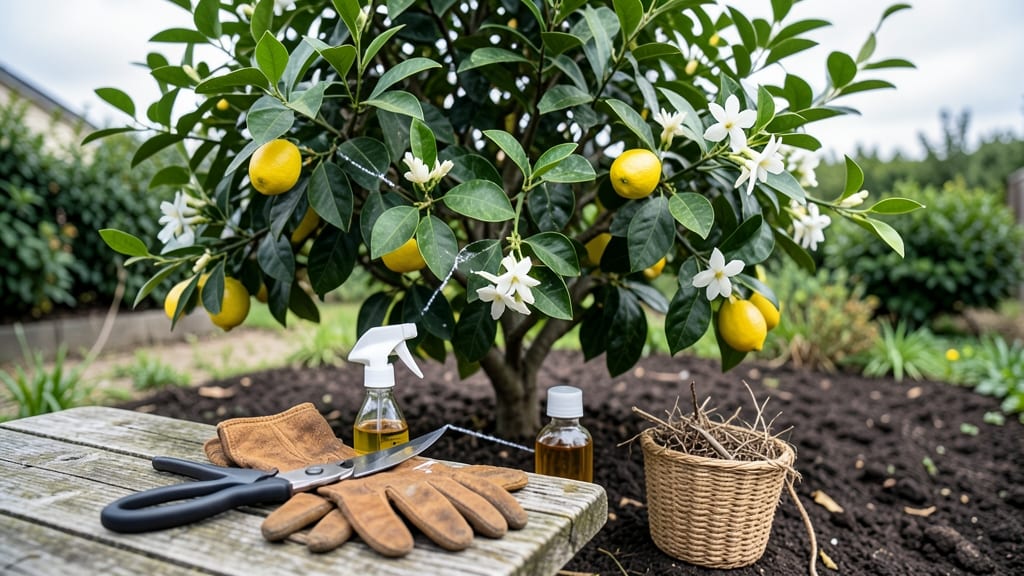
**A lemon tree pruning guide isn’t just about shaping—it’s about unlocking more fruit, stronger branches, and a tree that thrives year-round. 🌿 I’ve pruned mine for five seasons, and the difference between a neglected tree and one that produces hundreds of lemons comes down to timing, technique, and a few key cuts.
The best part? You don’t need fancy tools or a green thumb to get started.
Most gardeners make one critical mistake: pruning at the wrong time. Late winter or early spring is ideal—before new growth starts—but you can also do light maintenance in summer after harvest.
Grab a pair of sharp bypass pruners, a sterilized saw for thicker branches, and some pruning sealant (optional but helpful for larger cuts). The goal is to remove dead, crossing, or overcrowded branches while keeping the tree open to sunlight and air.
Here’s the secret: prune for light, not just looks. Aim to create an open vase shape—this lets sunlight reach the center where lemons form. Cut just above a leaf node (the bump where leaves grow) at a 45-degree angle to prevent water pooling.
After pruning, your tree should look like it’s breathing, with space between branches. Within weeks, you’ll see new growth—and by next season, more fruit than ever.
Even experienced gardeners hesitate when it comes to lemon trees. Don’t over-prune—never remove more than 25% of the canopy at once, or you’ll stress the tree. And skip pruning in fall, as new growth won’t harden off before winter.
For indoor trees, prune lightly year-round to control size, but always avoid heavy cuts in winter when the tree is dormant. With these steps, your lemon tree will stay productive, healthy, and full of potential** for decades.
📚 In This Guide
- What you need
- Instructions
- Tips and common mistakes
- Wrapping up and next steps
What you need
- ● Pruning shears: Sharp, bypass-style shears (4–6 inches) for clean cuts on small branches.
- ● Loppers: Heavy-duty loppers (8–10 inches) for thicker branches (½–1½ inches in diameter).
- ● Pruning saw: A curved-tooth saw for branches thicker than 1½ inches.
- ● Gloves: Sturdy, cut-resistant gloves to protect your hands from thorns and sap.
- ● Disinfectant (70% isopropyl alcohol or bleach solution): To clean tools between cuts and prevent disease spread.
- ● Extension pole: For high branches (attach shears/loppers to reach safely).
- ○ Pruning sealant: (Optional) To coat larger cuts and reduce sap oozing.
- ● Marking twine or tape: To flag branches for removal before cutting.
- ● Bucket or tarp: To collect pruned branches and debris.
- ● Ladder: If your tree is taller than 6–8 feet (prioritize safety!).
- ● Check the weather: Prune on a dry, cloudy day to avoid stressing the tree.
- ● Know your tree’s age: Young trees (under 3 years) need lighter pruning.
- ● Identify dead/diseased branches: These should be removed first to prioritize tree health.
Instructions for pruning a lemon tree year-round
Pruning keeps your lemon tree productive and healthy without sacrificing next year's harvest.
✂️ Step 1: Assess the Tree’s Structure and Growth Habits
Start by examining your lemon tree for three key elements: the central leader (main trunk), scaffold branches (primary limbs), and new growth. The central leader should be straight and unobstructed—if it’s weak or bending, you’ll need to reinforce it. Look for branches growing inward or crossing others; these compete for energy and block sunlight from reaching the center.
Run your hand along each branch to feel for suckers—those aggressive, fast-growing shoots that emerge from the trunk or roots. These saplings drain nutrients from your fruit-bearing branches, so they’re the first to go. I like to prune in the morning when the tree is hydrated; you’ll see fresh cuts heal faster and reduce stress on the plant.
✂️ Step 2: Remove Dead, Diseased, or Weak Wood
Use sharp, sterilized pruners to cut out any branches that are brown, brittle, or hollow—these are dead and won’t recover. Diseased wood often has discolored patches or oozing sap; snip these at a 45-degree angle, ¼ inch above a healthy bud or lateral branch. Never leave stubs—they invite pests and fungal infections.
Weak wood includes thin, spindly branches that haven’t thickened after a year. These rarely bear fruit and take energy from stronger limbs. Cut them back to the nearest outward-facing bud. Here’s the thing—if you’re unsure whether a branch is dead or dormant, wait until spring. Dormant branches will sprout new leaves; dead ones won’t.
✂️ Step 3: Thin Out Crowded Branches for Airflow
Step back and visualize sunlight filtering through the canopy. Aim for 6-12 inches of space between branches—this prevents humidity buildup, which leads to fungal diseases like powdery mildew. Start at the center and work outward, removing every other branch that’s growing inward or overlapping. You’ll know you’ve done enough when you can see light reaching the trunk.
Focus on the lower third of the tree first—these branches often grow upward but rarely bear fruit. Pruning them early encourages energy to flow to the upper canopy where lemons develop. Use your pruners to make clean cuts just outside the branch collar (the swollen area where the branch meets the trunk). Avoid tearing the bark—this creates entry points for pathogens.
✂️ Step 4: Shape the Tree for Balance and Fruit Production
Lemon trees thrive with an open-center shape—think of a rounded dome rather than a pyramid. Start by selecting 4-6 strong scaffold branches evenly spaced around the trunk. These should be 12-18 inches apart and angled outward at about 45 degrees. Remove any competing branches that grow straight up or downward; these rarely produce fruit and create weak structure.
To encourage outward growth, cut back the tips of horizontal branches by ⅓ of their length. This triggers lateral buds to sprout, creating a bushier, more productive tree. I always prune just above a leaf node where new growth will emerge. Watch for first true leaves after pruning—they signal the tree is redirecting energy to recovery and future fruit.
⏰ Step 5: Time Pruning for Seasonal Growth
Spring is the best time to prune, but lemon trees are forgiving year-round. In late winter or early spring, prune before new growth begins—you’ll see buds swelling along the branches. Summer pruning should focus on light shaping only to avoid stressing the tree during peak fruit production. Never prune in fall if you live in a cold climate; new growth won’t harden off before winter.
After pruning, apply a balanced fertilizer (10-10-10) to replenish nutrients lost during cutting. Water deeply but avoid soaking the fresh cuts—this can introduce rot. In 4-6 weeks, you’ll notice new shoots emerging from the pruned areas. These are your tree’s way of telling you it’s healing and preparing for next year’s harvest.
Tips & tricks for perfect lemon tree pruning
Mastering the art of pruning transforms your lemon tree from a chaotic mess into a productive powerhouse—here’s how to do it right without sacrificing next year’s harvest.
Pruning Timing Secret: Late winter or early spring is ideal because the tree is dormant but about to burst into growth. If you must prune in summer, keep it minimal—just light shaping—to avoid stressing the tree during its busy fruit production phase. I’ve learned the hard way that fall pruning in cold climates can leave tender new growth vulnerable to frost damage. Always check for those swollen buds along the branches before making cuts; they’re your sign that the tree is ready to heal.
Tool Technique: Sterilize your pruners with rubbing alcohol between cuts to prevent spreading disease. Make clean cuts at a 45-degree angle just outside the branch collar (that swollen area where the branch meets the trunk), never leaving stubs. I use a sharp bypass pruner for branches up to ½-inch thick and loppers for thicker branches—dull tools tear bark, creating entry points for pathogens. For larger branches, I make the initial cut on the underside of the branch to control its fall, then follow up with a second cut to avoid tearing.
Shape Strategy: Lemon trees thrive with an open-center shape, so visualize a rounded dome when pruning. Select 4-6 strong scaffold branches spaced 12-18 inches apart, angled outward at 45 degrees. Remove any branches growing straight up or downward—they rarely produce fruit and create weak structure. When cutting back horizontal branches, reduce them by ⅓ of their length to encourage bushier growth. Watch for the first true leaves after pruning; they’re your tree’s way of telling you it’s redirecting energy to recovery and future fruit production.
Aftercare Wisdom: Apply a balanced 10-10-10 fertilizer after pruning to replenish nutrients lost during cutting. Water deeply but avoid soaking fresh cuts—this can introduce rot. In 4-6 weeks, you’ll notice new shoots emerging from pruned areas. These are your tree’s way of telling you it’s healing and preparing for next year’s harvest. I always monitor for powdery mildew during this recovery period, especially if branches were crowded before pruning.
Pro Tips for Lemon Tree Pruning Guide
- Mastering the art of pruning transforms your lemon tree from a chaotic mess into a productive powerhouse—here’s how to do it right without sacrificing next year’s harvest.
- Pruning Timing Secret: Late winter or early spring is ideal because the tree is dormant but about to burst into growth.
- Tool Technique: Sterilize your pruners with rubbing alcohol between cuts to prevent spreading disease.
Frequently asked questions
Got questions about pruning your lemon tree? You’re not alone! Here are answers to the most common concerns—plus a few pro tips to keep your citrus thriving.
When is the best time to prune a lemon tree?
The ideal time is late winter or early spring before new growth starts. This gives your tree time to heal before summer heat. Avoid heavy pruning in fall—it can stress the tree before dormancy. Light shaping in summer is fine, but skip it during fruit set ().
How much can I trim without hurting my lemon tree?
Never remove more than 25-30% of the foliage in one session. Over-pruning shocks the tree, reducing fruit production. Focus on dead, crossing, or overcrowded branches first. Thin out dense areas to improve airflow and sunlight penetration ().
Will pruning reduce my lemon harvest?
Not if done correctly! Pruning increases fruit quality by improving airflow and sunlight. However, avoid heavy cuts during flowering or fruiting seasons. Balance shape and health—prioritize removing weak growth over aggressive thinning ().
What if my lemon tree has no branches to prune?
If your tree is young or leggy, focus on encouraging bushier growth by trimming the tips of the main stems. This prompts side shoots. For mature trees, prune water sprouts (fast-growing vertical shoots) to redirect energy to fruit-bearing branches ().
How do I tell if my tree is over-pruned?
Watch for yellowing leaves, sparse foliage, or no new growth after pruning. Over-pruned trees may also drop fruit prematurely. If this happens, reduce future cuts and fertilize lightly to recover ().
Can I prune a lemon tree in containers?
Yes! Container trees need more frequent pruning (every 6–12 months) due to limited space. Trim roots too—cut 10-20% of root ball if roots circle the pot. Repot every 2–3 years for better growth ().
Wrapping up and next steps
Pruning your lemon tree isn’t just about shaping—it’s about boosting health, productivity, and beauty year-round! 🌿 With the right tools, timing, and techniques, you’ll keep your tree thriving while enjoying a bountiful harvest. Remember: patience and consistency are key, so don’t rush the process.
Now that you’re armed with expert tips, roll up your sleeves and get pruning! Start small, observe your tree’s response, and adjust as needed. Before you know it, you’ll have a stunning, fruit-filled lemon tree that’s the envy of the neighborhood. Happy pruning! 🍋✨