
Pruning
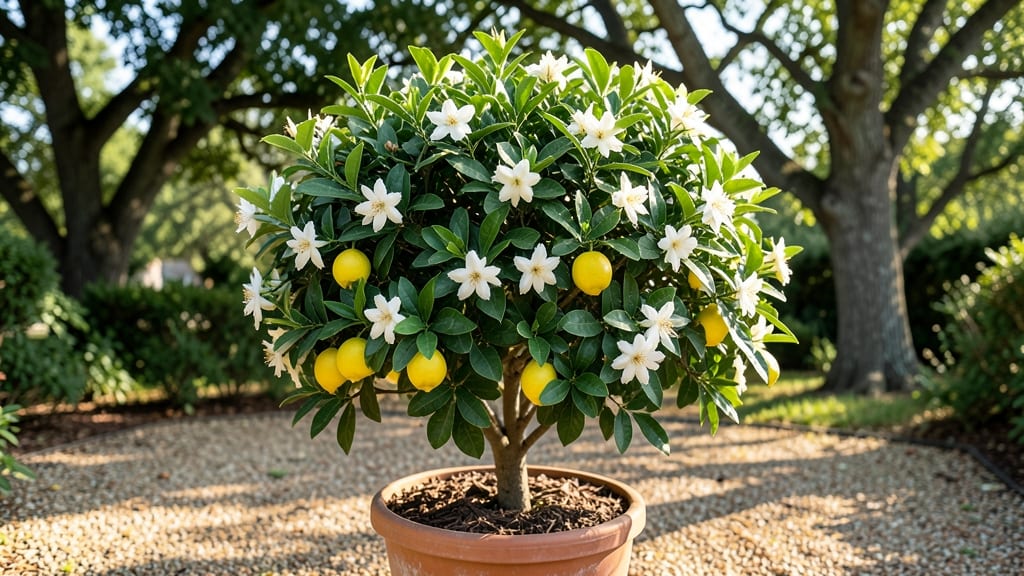
Your lemon tree floral display could double this year with just three strategic cuts. ✂️ I’ve pruned lemon trees for over a decade, and the difference between a sparse bloomer and a floral explosion comes down to timing, technique, and understanding what those branches are really telling you.
The secret isn’t aggressive trimming—it’s selective pruning that mimics nature’s own shaping. You’ll focus on three key cuts: removing dead wood, thinning crowded branches, and shaping the canopy to let sunlight reach the center. Most gardeners over-prune, which stresses the tree and cuts back blooms.
My trees now produce year-round flowers because they’re not fighting for light or energy. By late winter, you’ll see new growth where you pruned, and within 6-8 weeks, those branches will burst with fragrant white blooms.
The scent alone makes it worth the effort—like walking through a Mediterranean grove every spring. This method works for both dwarf and standard lemon trees, whether you’re growing in containers or in-ground. Let’s get those blooms going!
📚 In This Guide
- What you need
- Instructions
- Tips and common mistakes
- Wrapping up and next steps
What you need
- ● Pruning shears: Bypass pruners (sharp, 5-7" blade) for clean cuts on small branches.
- ● Loppers: 8-10" bypass loppers for thicker branches (½"–1.5" diameter).
- ● Hand saw: Pruning saw with 8-10" blade for stubborn, woody stems (1.5"+ diameter).
- ● Rubbing alcohol (70%+) or bleach solution: 1 part bleach to 9 parts water to sterilize tools between cuts.
- ○ Pruning sealant (optional): Tree wound sealant for cuts larger than ½" (controversial but helpful for large wounds).
- ● Safety gear: Gloves (gardening or cut-resistant), safety glasses (if sawing thick branches).
- ● Ladder or step stool: For reaching higher branches (ensure it’s stable!).
- ● Disposable bags or bucket: To collect pruned branches for composting or disposal.
- ● Notebook & pen: To jot down notes on cuts made (helpful for tracking growth!).
- ● Weather check: Prune on a dry, overcast day to reduce stress on the tree.
Step-by-Step instructions for lemon tree floral pruning
Here's the simple method I use to keep my lemon tree blooming nonstop—just three strategic cuts that take less than 10 minutes.
✂️ Step 1: Prune Dead or Diseased Wood First
Start by removing any branches that are brown, brittle, or showing signs of disease like black spots or oozing sap. Use sharp, sterilized pruners to make clean cuts at a 45-degree angle, about ¼ inch above a leaf node. This prevents water from pooling and rotting the cut.
Real talk: I always cut back to a healthy green bud or leaf. Never leave stubs—those invite pests and infections. If you're unsure which branches are dead, gently scratch the bark with your fingernail. Green underneath means it's still alive; brown means it's gone.
⏰ Step 2: Thin Out Overcrowded Branches
Next, focus on the interior of the tree where branches grow too close together. Remove 1 in 3 branches that are rubbing against each other or growing inward. Aim for an open center that lets sunlight and air circulate freely—this is key for flower production.
You'll see new growth emerging from the sides of remaining branches after this step. That's your signal everything is working. Never remove more than 25% of the tree's foliage at once, or you'll shock the plant and delay blooming.
☀️ Step 3: Shape for Sunlight Exposure
Step back and assess the tree's overall shape. Prune any branches that block sunlight from reaching the inner leaves. Focus on the top and outer edges, cutting back to just above an outward-facing leaf node. This encourages the tree to grow bushier and produce more flowers.
Here's the thing—lemons need sunlight to set fruit, but too much shade in the center means fewer blooms. After shaping, your tree should look like an open umbrella with sunlight reaching all the way to the trunk. Water deeply right after pruning to help the tree recover.
🌱 Step 4: Encourage New Growth (Optional)
If your lemon tree isn't flowering heavily, you can stimulate new growth by making a final cut on one or two of the strongest branches. Trim just above a leaf node where you want new shoots to emerge. This is where future blooms will develop.
Watch for new leaves emerging within 2-4 weeks—that's your confirmation the tree is responding well. Avoid heavy pruning in late summer, as new growth won't have time to harden off before winter. Timing matters more than you'd think!
Tips & tricks for perfect lemon tree floral pruning
Between us, these simple tricks will help you avoid common mistakes while keeping your lemon tree thriving and blooming beautifully.
Tool Prep: Sterilize your pruners with rubbing alcohol before you start—this prevents spreading disease between cuts. I learned this the hard way after my tree developed mysterious spots. Also, sharpen your blades first; dull pruners crush stems instead of making clean cuts, which stresses the tree. Always work with sharp tools!
Visual Cue for Step 1: When pruning dead wood in Step 1, look for branches that snap easily when bent—they're definitely dead. For borderline cases, the fingernail scratch test works perfectly. If you're still unsure, cut it back slightly and monitor the tree's response. Healthy green underneath means you're good to go.
Timing Secret: Those 10 minutes fly by, so work efficiently! Group similar cuts together—first all the dead/diseased wood, then the overcrowded branches, then shaping. This keeps your tree from getting stressed by too many cuts at once. And remember, the less foliage you remove at once, the faster the tree recovers and starts blooming again.
Post-Pruning Care: After finishing all your cuts, give your tree a deep watering to help it recover. I always add a balanced citrus fertilizer at half-strength right after pruning. This gives the tree the nutrients it needs to produce new growth and flowers. The key is to water thoroughly but not so much that the soil becomes soggy.
Pro Tips for Lemon Tree Floral
- Between us, these simple tricks will help you avoid common mistakes while keeping your lemon tree thriving and blooming beautifully.
- Tool Prep: Sterilize your pruners with rubbing alcohol before you start—this prevents spreading disease between cuts.
- Visual Cue for Step 1: When pruning dead wood in Step 1, look for branches that snap easily when bent—they're definitely dead.
Frequently asked questions
Got questions about keeping your lemon tree floral vibrant with the right pruning? Here are some common concerns—and their answers—to help you grow a blooming beauty year-round!
When is the best time to prune for floral growth?
The ideal time is late winter to early spring (just before new growth starts) or right after harvest in fall. Avoid pruning during active blooming—this can reduce flower production. For tropical lemon trees, prune lightly in summer to encourage new branches that’ll flower later.
How do I know if I’m pruning too much?
If your tree has bare branches, yellowing leaves, or no new growth after pruning, you’ve likely cut too aggressively. A good rule: Never remove more than 25% of the foliage in one session. Focus on shaping and thinning over heavy trimming.
Can I prune lemon trees for flowers if they’re not bearing fruit?
Pruning to encourage flowers is the same process—just avoid removing flower buds if they appear. Young trees (under 3 years) may need light pruning to establish structure, while older trees benefit from selective cuts to open the canopy for sunlight (key for floral triggers).
Why aren’t my lemon tree flowers turning into fruit?
Lemon trees need cross-pollination (or hand-pollination with a brush) for fruit to set. Other causes:
- Cold temps (below 50°F/10°C) can drop flowers.
- Overwatering or poor drainage stresses the tree.
- Insufficient sunlight (6+ hours daily is ideal).
What’s a good alternative if my lemon tree isn’t flowering?
If pruning isn’t working, try these floral boosters:
- Temperature shock: Move potted trees to a cooler spot (50–60°F/10–15°C) for 2–3 weeks in winter to trigger blooms.
- Grow lights: Supplement weak winter sunlight with a full-spectrum LED for 12+ hours/day.
- Fungal sprays: Some trees bloom better after a light copper fungicide treatment (follow label instructions).
Wrapping up and next steps
Your lemon tree’s floral magic is just three cuts away! By mastering these simple pruning techniques—spring shaping, summer thinning, and fall cleanup—you’ll unlock year-round blooms and healthier fruit. Remember, consistency is key, and your tree will reward you with vibrant flowers and zesty lemons. 🌸
Ready to transform your garden? Grab your pruners and start today—your lemon tree (and future lemonade!) will thank you. Check out our pruning calendar for seasonal reminders and keep those blooms coming!