
Pruning
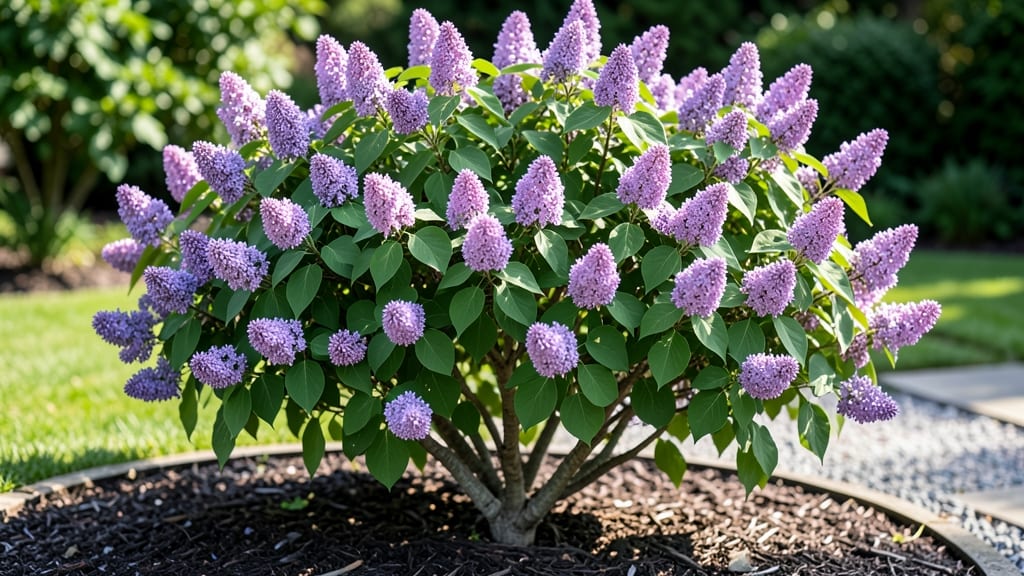
Your garden deserves that lilac tree purple explosion every spring—it’s the color that makes neighbors stop and stare. 🌸 I’ve pruned mine for years, and three simple cuts after blooming keep it lush, fragrant, and full of those signature purple clusters for decades.
The secret isn’t complicated: timing, technique, and a little patience transform a wild shrub into a showstopper that anchors your landscape. This isn’t about turning your lilac into a bonsai—just three strategic cuts that encourage bigger blooms next year while keeping the shape neat.
You’ll see fresh growth by summer, and by fall, your tree will be packed with buds ready to burst in vibrant purple the following spring. The fragrance alone makes it worth the effort, but the visual impact? Unmatched.
Pair it with white hydrangeas for contrast or lavender for a cottage garden feel, and place it where the scent drifts toward patios or walkways. A well-pruned lilac becomes the focal point of any yard, whether you’re going for rustic charm or modern elegance.
Here’s how to do it without overcomplicating things—no green thumb required.
📚 In This Guide
- What you need
- Instructions
- Tips and common mistakes
- Wrapping up and next steps
What you need
- ● Pruning shears – Sharp, bypass-style (for clean cuts; avoid anvil shears to prevent crushing stems).
- ● Loppers – For thicker branches (1–2 inches in diameter).
- ○ Hand pruners – For delicate trimming (optional if you have small lilacs).
- ● Disinfectant (70% isopropyl alcohol or bleach solution) – 1 part bleach to 9 parts water (to sterilize tools and prevent disease).
- ● Garden gloves – Heavy-duty, cut-resistant (lilac thorns are no joke!).
- ● Rake or broom – To clear debris after pruning.
- ○ Pruning sealant (optional but helpful) – For large cuts (e.g., Tanglefoot Tree Wound Pruning Seal).
- ● Extension pole saw – If your lilac is tall (6+ feet).
- ● Marking spray or flags – To tag branches for removal (great for planning!).
- ● Wheelbarrow or bucket – For hauling clippings.
- ● Safety glasses – If dealing with large branches or thorns.
Step-by-step instructions for year-round lilac color
Here's how to keep your lilac tree blooming vibrantly with minimal effort—just three strategic cuts.
✂️ Step 1: Prune for Shape After Spring Blooms
Wait until 2-3 weeks after flowering—when buds form but haven't opened yet. This timing ensures you don't cut off next year's blooms. I use clean, sharp loppers to make angled cuts just above outward-facing buds, never leaving stubs. The goal is to open the center of the plant to improve airflow and sunlight penetration.
Remove any dead, crossing, or weak branches first—they compete with healthy growth. I like to step back every few cuts to visualize the shape. Lilacs naturally form dense clusters, so avoid over-thinning. You'll see new shoots emerging within 2-3 weeks as the plant responds to the fresh cuts.
🌿 Step 2: Lightly Trim for Density in Late Summer
In late August or early September, give your lilac a light shaping trim to encourage next year's blooms. Focus on removing only the tips of branches that grew too long during summer. This stimulates lateral bud formation, which will become next spring's flowers. Never cut more than ⅓ of the branch length—lilacs bloom on old wood, so aggressive pruning reduces future blooms.
I use hand pruners for precision, making cuts just above a leaf node. Watch for small swellings along the stems—these are flower buds forming for next year. The more you prune now, the fewer blooms you'll see in spring, so keep it gentle. Water deeply after pruning to help the plant recover.
✂️ Step 3: Clean Up Winter Damage Before New Growth
In late winter or early spring, before buds swell but before leaves appear, remove any dead or broken branches. Lilacs are tough and can handle this pruning without stress. I look for branches that are completely brown and brittle—these won't recover. Cut these back to healthy wood, making clean cuts at a slight angle.
This is also the time to remove any suckers—those vigorous shoots growing from the base. They drain energy from your main plant. After pruning, apply a 2-3 inch layer of mulch around the base to protect roots from temperature swings. You'll notice fresh green growth within 3-4 weeks as the plant wakes up from dormancy.
Tips & tricks for perfect lilac tree pruning
Keeping your lilac vibrant takes just a few smart moves—and avoiding these common pitfalls makes all the difference.
Pruning Timing is Everything: The 2-3 week window after spring blooms is non-negotiable if you want next year's flowers. I've learned this the hard way—cutting too early means sacrificing future blooms, while waiting too long risks overgrown branches that block sunlight. Mark your calendar right after the last lilac bloom fades to set your reminder. The same goes for late August/early September trimming—this is when flower buds for next spring begin forming, so don't skip it!
Tool Selection Matters: Sharp loppers aren't just about clean cuts—they're about plant health. Dull tools crush stems, creating entry points for disease. I keep a pair specifically for lilacs and sharpen them annually. For smaller branches, hand pruners give you the precision to cut just above leaf nodes without damaging surrounding growth. Pro tip: Wipe tools with rubbing alcohol between cuts to prevent spreading any potential pathogens.
Visualize Before You Cut: Step back every few cuts to check your progress. Lilacs naturally grow in dense clusters, so resist the urge to over-thin. The goal is to open the center for better airflow while maintaining that romantic, lush appearance. I like to imagine removing only what would block sunlight from reaching the center branches. You'll know you've done it right when you see fresh green shoots emerging within those 2-3 weeks after pruning.
Winter Prep Pays Off: That 2-3 inch layer of mulch isn't just decoration—it's insulation. In late winter, apply it around the base after removing dead branches. The mulch protects roots from temperature swings while retaining moisture. I use shredded bark mulch because it breaks down slowly, adding organic matter to the soil over time. This simple step makes all the difference in spring recovery.
Pro Tips for Lilac Tree Purple
- Keeping your lilac vibrant takes just a few smart moves—and avoiding these common pitfalls makes all the difference.
- Pruning Timing is Everything: The 2-3 week window after spring blooms is non-negotiable if you want next year's flowers.
- Tool Selection Matters: Sharp loppers aren't just about clean cuts—they're about plant health.
Frequently asked questions
When is the best time to prune lilacs for year-round color?
Prune your lilac tree right after flowering (late spring to early summer). This ensures you don’t cut off next year’s blooms while encouraging dense, vibrant foliage. Avoid pruning in fall or winter, as lilacs need time to harden off before dormancy.
How much should I cut back my lilac tree for purple foliage?
Remove 1/3 of the oldest wood—typically 1-3 years old—to stimulate new growth. Focus on thinning out crowded branches and shaping the tree. Never cut more than 1/3 at once, or you risk stressing the plant.
Why did my lilac leaves turn yellow after pruning?
Yellowing leaves often mean over-pruning or nutrient deficiency. If you cut too aggressively, the tree may struggle to support new growth. Fertilize with a balanced 10-10-10 formula in early spring and water deeply after pruning to help recovery.
Can I still get purple foliage if my lilac only blooms white or pink?
Yes! While Lilac ‘Purple Plum’ or ‘Katherine Havemeyer’ are bred for deep purple blooms, any lilac can develop rich foliage with proper pruning. Focus on removing old wood and keeping the tree healthy—purple-tinted leaves may still emerge as a bonus!
Do lilacs need special care in winter to keep their color?
Lilacs are hardy, but mulch the base with 2-3 inches of organic mulch (like shredded bark) to protect roots. Avoid heavy pruning in late winter—wait until after the last frost. If your area gets extreme cold (-20°F or lower), consider wrapping young trees with burlap.
Wrapping up and next steps
Your lilac tree purple beauty doesn’t have to fade with the seasons—just three simple cuts can keep it blooming and vibrant year-round! 🌸 With the right tools, timing, and technique, you’ll enjoy lush fragrance and stunning color for years to come.
The key is consistency and confidence, so don’t hesitate to grab those pruners and get started.
Ready to transform your lilac into a showstopper? Bookmark this guide, gather your supplies, and schedule your first pruning session this spring. Your future self—and your neighbors—will thank you! 🌿✨