
Pruning
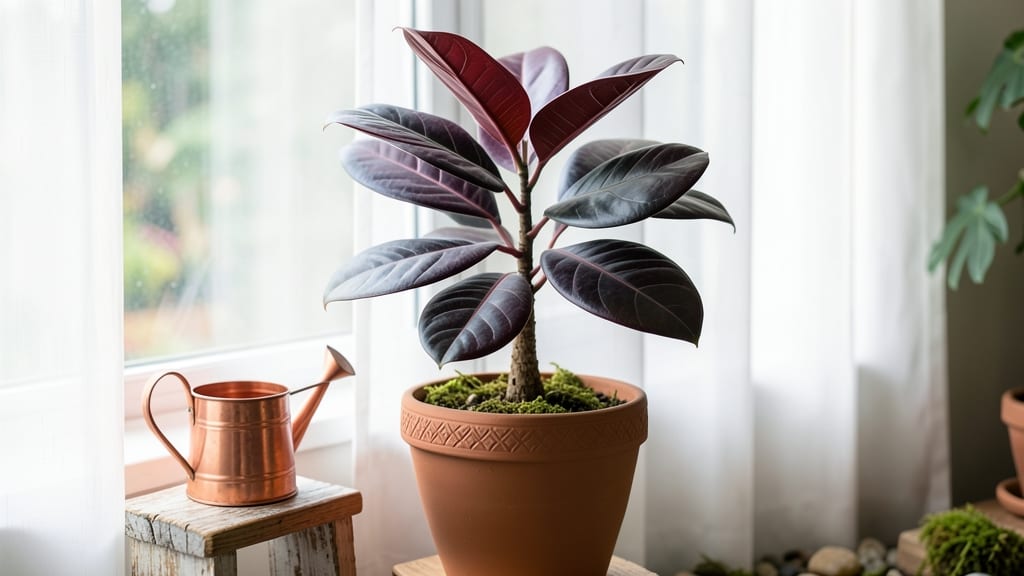
That towering faux maple can finally stop crowding your living room. ✨ Indoor faux trees are the secret weapon for instant height and drama without the mess of real plants—especially when you master these three pruning cuts to keep it looking intentional, not overwhelming.
Here's the thing—most people either leave theirs too tall (looking like a forgotten Christmas tree) or chop it back too aggressively (sad, stubby branches). The magic is in strategic shaping: trim just enough to maintain those elegant, sweeping branches while keeping the canopy full.
Think of it like sculpting with foliage—you're not removing leaves, you're refining the silhouette.
By the time you're done, your faux maple will be the focal point of any room, whether it's anchoring a cozy reading nook or framing a gallery wall. The best part?
No watering, no sunlight struggles, just year-round impact that makes your space feel designed, not just decorated. We're talking that "I spent hours staging this" vibe with zero effort.
Works in every room from sunlit entryways to moody libraries—just adjust the height to match your ceiling. Pro tip: Pair it with a statement rug or bold artwork to tie the whole look together. Let's make that tree work for you, not the other way around.
📚 In This Guide
- What you need
- Instructions
- Tips and common mistakes
- Wrapping up and next steps
What you need
- ● Artificial maple leaves: 100–150 pieces (preferably realistic green/yellow/orange leaves, 3–5 inches wide). Look for textured or hand-painted options for depth.
- ● Faux branches: 3–5 medium-sized branches (12–18 inches long) with a natural, gnarled appearance. Twigs or driftwood work too!
- ● Base structure: Option 1: A ceramic pot (10–12 inches wide) or wooden planter for a rustic look.
- ● Option 2: A metal or wire frame (like a tree-shaped armature) for a lightweight, freestanding design.
- ● Hot glue gun + glue sticks (low-temp for safety if indoors).
- ● Floral wire or thin copper wire (20–30 feet, 20–22 gauge) to secure branches.
- ● Scissors or pruning shears (for trimming leaves/branches to size).
- ● Paintbrushes (if touching up leaves or branches for a weathered look).
- ○ Acrylic paint (optional: brown, gray, or black for aging branches).
- ● Measuring tape (to ensure proportional branch lengths).
- ● Newspaper or drop cloth (to protect your workspace).
- ● Spray bottle with water (to lightly mist leaves for a fresh look).
- ○ LED string lights (optional, for a glowing autumn effect).
- ○ Fake moss or lichen (optional, to add texture to the base).
- ● 🌡️ Leaf selection: Mix different shades (deep green + golden yellow) for a realistic fall vibe.
- ● ✨ Branch placement: Arrange branches in a natural spiral pattern (like a real tree’s growth).
- ● 🎯 Base prep: If using a pot, add gravel or pebbles first to weigh it down.
Step-by-step guide to pruning your indoor faux maple tree
Want a lush, manageable faux maple that stays healthy all year? These three pruning cuts keep it full and contained without stressing the plant.
🌿 Step 1: Assess and Plan Your Pruning
Start by examining your faux maple from all sides. Look for branches that are growing unevenly, crossing others, or creating bare spots. I like to hold the tree at eye level and step back to spot areas where the foliage looks too sparse. Use a small notebook to sketch a quick diagram—mark which branches need trimming to maintain symmetry and airflow.
This is also the time to check for any dead or damaged branches. Even faux trees can accumulate dust or debris that makes them look unkempt. Run your fingers gently along the branches to feel for buildup. A soft brush or damp cloth will help clean them later if needed. The goal here is to create a balanced silhouette that matches your space and style.
✂️ Step 2: First Cut – Shape the Canopy
Grab your pruning shears and begin with the topmost branches. Focus on creating a gradual taper—this mimics natural growth patterns and makes your faux maple look more realistic. Start by trimming about 1-2 inches from the ends of the longest branches, working your way inward. This first cut should create a fuller, more rounded crown.
Here's the thing—don't cut more than 25% of any branch at once. This keeps the tree looking natural and prevents over-trimming. If you're unsure, take a step back frequently to check your progress. You'll see the difference immediately as the tree starts to fill out from the bottom up. For a more dramatic look, you can also trim branches at a slight angle to encourage a natural, wind-swept appearance.
🌿 Step 3: Second Cut – Refine the Structure
Now, move to the middle layer of branches. Look for any that are growing too close together or creating gaps. Trim the smaller branches first to open up the canopy and improve air circulation. This step is all about refining the structure—think of it as sculpting the tree to fit your space perfectly. If you notice any branches growing straight up, trim them slightly to encourage a more horizontal growth habit.
Pay special attention to the lower branches. These often get overlooked but are key to maintaining a full, lush look. Trim any branches that are growing too low or too close to the floor. You can also use this step to adjust the tree's height if needed. Just remember, even faux trees benefit from a balanced shape—it makes them look more natural and easier to care for.
✂️ Step 4: Final Cut – Clean Up and Detail
For the final touches, focus on the finer details. Use your pruning shears to trim any stray leaves or branches that don't fit the overall shape. This is where you can really refine the tree's appearance, ensuring it looks polished and intentional. If your faux maple has any particularly long or leggy branches, trim them back to about ⅔ of their length to encourage a bushier look.
Lastly, take a moment to clean up any dust or debris that may have accumulated during pruning. A soft brush or a slightly damp cloth will help restore the tree's natural beauty. Step back one more time to admire your work—you should see a fuller, more balanced tree that looks like it belongs in your space. This final cut is all about the details that make the difference between a good faux maple and a great one.
Tips & tricks for perfect indoor faux maple tree pruning
These simple tricks will help you transform your faux maple into a stunning centerpiece with minimal effort.
Visual Planning Pays Off: Before making any cuts, take a few photos of your tree from different angles. This reference will help you visualize the final shape and ensure symmetry. I always compare my progress photos to the original—it's amazing how small adjustments make a big difference in the finished look. This step is especially helpful if you're new to pruning or working with a particularly complex tree shape.
Pruning Shears Selection: Not all pruning shears are created equal for faux trees. Look for sharp, precision shears with a 1/4-inch blade opening—this gives you the control needed for clean cuts without damaging the branch structure. Bypass shears work best for detailed trimming, while anvil shears can crush delicate faux foliage. I keep a small pair dedicated just for my faux trees to avoid dulling them with other plants.
Step-by-Step Symmetry Check: After each of the three pruning steps, rotate your tree 180 degrees and examine it from the opposite side. This helps you spot asymmetries that might not be visible from your original position. I've found that doing this quick check after Step 2 (shaping the canopy) and again after Step 4 (final details) catches most mistakes before they become permanent. It takes less than a minute but makes a world of difference in the final presentation.
Cleaning Technique: For that showroom-fresh finish, use a soft-bristle paintbrush or microfiber cloth dampened with a tiny bit of mild dish soap and water (1:10 ratio). Brush gently in the direction of the branch growth to lift dust without disturbing the foliage. I always clean after pruning because the process naturally stirs up dust—this keeps your tree looking fresh and well-maintained between pruning sessions.
Pro Tips for Faux Maple Tree Indoor
- These simple tricks will help you transform your faux maple into a stunning centerpiece with minimal effort.
- Visual Planning Pays Off: Before making any cuts, take a few photos of your tree from different angles.
- Pruning Shears Selection: Not all pruning shears are created equal for faux trees.
Frequently asked questions
Got questions about keeping your faux maple tree indoors? We’ve got answers!
Whether you're troubleshooting placement, curious about upkeep, or wondering about alternatives, here’s what you need to know.
How do I keep my faux maple tree looking realistic indoors?
Faux trees thrive on placement and lighting. Position it near a window to mimic natural light, and use a small LED bulb (warm white) inside the trunk for a sunlit effect. Dust the leaves gently with a microfiber cloth every 2–3 weeks to maintain that fresh-cut look.
Can I prune a faux maple tree like a real one?
Unlike real trees, faux maples never need water or soil—just snip away with sharp scissors. For height control, trim branches at a 45-degree angle (like real pruning) to avoid jagged cuts. Pro tip: Use a branch cutter for thicker stems to avoid crushing the fake foliage.
What’s the best indoor location for a faux maple?
Opt for a stable, draft-free spot like a corner away from direct sunlight (which can fade colors) or heating vents (which dry out leaves faster). Living rooms, hallways, or even bathrooms work—just avoid kitchens where humidity spikes can encourage dust buildup.
Are there cheaper alternatives to a faux maple tree?
Yes! Consider artificial bamboo plants (under $20) or DIY faux trees using foam branches and spray paint. For a budget-friendly pruning practice, try trimming real rubber plants (they bounce back easily) or paper leaf cutouts glued to branches.
Why does my faux maple look dull after a few months?
Dullness usually means dust or UV damage. Clean it with a damp cloth + mild soap (rinse well!) and store it in a cool, dark place during summer to slow color fading. If leaves still look flat, try lightly misting them with water (they’ll crisp up as they dry).
Can I use faux maple branches for crafts or wreaths?
Faux maple branches are perfect for DIY projects. Snip off smaller limbs, hot-glue them to a wire frame, and add ornaments for a rustic wreath. For extra realism, spray-paint the cut ends to hide any imperfections before crafting.
Wrapping up and next steps
Bringing the beauty of a faux maple tree indoors is easier than ever with just three strategic pruning cuts!
Whether you’re refining its shape, controlling its height, or encouraging fuller growth, these techniques ensure your indoor tree stays lush and stylish year-round. 🌿 With the right tools and a little patience, you’ll enjoy a stunning, low-maintenance centerpiece that feels as natural as the real thing.
Ready to transform your space? Grab your pruners and give it a try—your indoor oasis awaits! For extra inspiration, explore faux plant care tips or share your progress with the gardening community. Happy pruning! ✂️✨