
Pruning
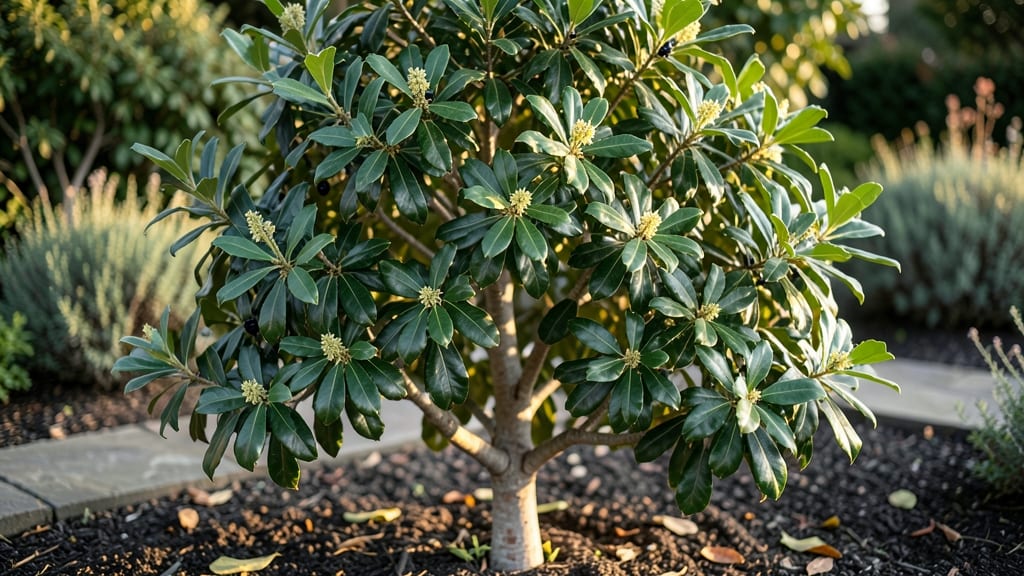
The care of a laurel tree ensures its lush, glossy leaves stay vibrant year-round—it’s the secret to keeping it thriving. 🌿 I’ve spent years perfecting my approach, and the key is timing, technique, and knowing when to stop.
Skip this step, and you’ll end up with sparse branches or leggy growth that never fills out. Most gardeners prune too late or too aggressively, but laurel trees reward gentle, strategic cuts.
Focus on shaping in late winter or early spring when new growth begins, and avoid heavy pruning in fall—it stresses the tree before winter dormancy.
A sharp pair of pruners and a clear vision of your desired shape are all you need to transform a scraggly laurel into a dense, healthy statement piece. By summer, you’ll notice fuller foliage and stronger stems—proof that your efforts are paying off.
The tree’s natural growth habit means it recovers quickly, but consistency is key. Prune just enough to encourage bushiness without stripping it bare. Over time, your laurel will become the evergreen backbone of your landscape, thriving with minimal effort.
Works for both evergreen varieties like English laurel and deciduous types like mountain laurel. The principles stay the same, so you can apply this guide no matter which type you’re growing. Let’s get those branches looking their best!
📚 In This Guide
- What you need
- Instructions
- Tips and common mistakes
- Wrapping up and next steps
What you need
- ● Pruning shears: Bypass pruners (for clean cuts on small branches, 4–6" blades, sharp and rust-resistant). Quantity: 1 pair.
- ● Loppers: Long-handled bypass loppers (for thicker branches, 8–12" blades, durable steel). Quantity: 1 pair.
- ● Pruning saw: Curved-tooth pruning saw (for large branches, 8–10" blade, non-serrated). Quantity: 1.
- ● Gloves: Heavy-duty gardening gloves (cut-resistant, breathable, size medium/large). Quantity: 1 pair.
- ● Disinfectant: 70% isopropyl alcohol or bleach solution (1 part bleach to 9 parts water). Quantity: Small spray bottle or wipe.
- ○ Pruning sealant: Optional but recommended (for large cuts, wax-based or tree-specific sealant). Quantity: Small jar.
- ● Extension pole: For hard-to-reach branches (adjustable, 3–6 ft).
- ● Safety glasses: Protects eyes from debris.
- ● Work boots: Sturdy, ankle-supportive footwear.
- ● Tree bag or tarp: To collect fallen branches (5–10 ft long).
- ● Notebook & pen: To track pruning notes (e.g., branch sizes, growth patterns).
- ● Know your laurel tree’s variety (e.g., Cherry Laurel, Bay Laurel) to tailor pruning needs.
- ● Check the weather forecast—prune on a dry, calm day (avoid wind or rain within 24 hours).
- ● Gather a buddy if working with large trees for safety.
- ● Review your tree’s growth habits (e.g., spring vs. summer pruning goals).
How to prune a laurel tree for lush, year-round growth
Pruning transforms your laurel tree from a wild shrub into a structured, healthy specimen. Here's how I keep mine thriving with minimal effort.
✂️ Step 1: Time Your Pruning for Maximum Impact
Laurel trees respond best to pruning in early spring just as new growth begins, or in late summer after flowering. Avoid heavy pruning in fall or winter—cold stress weakens the plant. I schedule my first cut in March when buds swell but haven't broken yet. This timing ensures you remove last year's dead wood while encouraging fresh, vigorous growth.
For shaping cuts, wait until June or July after flowering. Laurel blooms on old wood, so pruning too early removes potential flower buds. Watch for new leaf clusters—these signal safe pruning time. If you miss the window, a light trim in late summer still works, but avoid drastic cuts that expose too much bare wood.
✂️ Step 2: Gather Tools and Assess the Tree
You'll need sharp bypass pruners for small branches, loppers for thicker stems up to 1 inch, and a pruning saw for anything larger. Sterilize tools with rubbing alcohol between cuts to prevent disease spread. I also keep a bucket for trimmings and gloves—laurel leaves can irritate skin.
Examine the tree for dead, diseased, or crossing branches. Dead wood is brittle and snaps easily; healthy branches bend slightly. Mark your cuts with a pencil before snipping—this prevents over-trimming. Focus first on removing suckers at the base (those vigorous shoots stealing energy) and inward-growing branches that crowd the center.
✂️ Step 3: Make Clean Cuts for Healthy Regrowth
Cut just above a leaf node (the bump where leaves attach) at a 45-degree angle. This directs water runoff away from the wound. For thicker branches, make the cut outside the branch collar (the swollen area at the branch base)—never flush with the trunk. I aim for 1/4 inch above the collar to avoid damaging the tree's natural healing tissue.
Remove no more than 25% of the foliage in one session. Heavy pruning stresses laurel trees, leading to sparse regrowth. Thin out overcrowded areas first, then shape the outer form. Step back frequently to check balance—uneven cuts create lopsided growth. If a branch is too large to cut cleanly, use the three-cut method: undercut, top cut, and finish cut to avoid tearing.
☀️ Step 4: Maintain Aftercare for Rapid Recovery
Water deeply right after pruning to reduce shock. Laurel trees have shallow roots, so 1-2 gallons per foot of tree height helps them recover faster. Mulch with 2-3 inches of organic mulch (like shredded bark) around the base, keeping it 6 inches away from the trunk to prevent rot.
Monitor the tree for new growth within 4-6 weeks. Healthy leaves appear bright green and firm. If you see yellowing leaves or wilting, you pruned too aggressively—cut back next time. Fertilize lightly in early spring with a balanced 10-10-10 formula to support recovery. Avoid high-nitrogen fertilizers, which promote leafy growth at the expense of wood strength.
⏰ Step 5: Schedule Ongoing Maintenance
Light trims every 6-8 weeks keep laurel trees tidy without stress. Remove spent flowers in late summer to encourage new blooms next year. I also prune tips of new growth in early summer to promote bushier shape—a technique called "pinching." Never let the tree go completely bare; laurel trees need some foliage to photosynthesize.
Watch for pests like scale insects or diseases like powdery mildew after pruning. These often appear where cuts expose fresh tissue. Spray with neem oil if needed, but laurel trees are generally low-maintenance once established. With consistent pruning, your tree will develop a dense, symmetrical form and year-round interest—no winter dormancy required.
Tips & tricks for perfect laurel tree pruning
Took me years to figure out these tricks—here's how I keep my laurel trees looking effortlessly lush without stressing the plant.
Seasonal Timing Secret: The March timing in Step 1 isn't just about buds—it's about catching the tree when it's already preparing for growth. I've found that pruning when you see the first flush of new leaves (even if it's slightly later than March) works just as well, but never after June 15th or you risk cutting off next year's flower buds. Laurel trees are forgiving, but this window is their sweet spot for recovery.
Tool Technique Tip: For branches thicker than 1 inch, I always use the three-cut method from Step 3—it prevents the bark from tearing and creates a cleaner wound. Here's my game-changer: after making your final cut, immediately seal the wound with a thin layer of pruning sealant. This might seem like overkill, but it dramatically reduces the chance of disease entering through fresh cuts, especially in humid climates.
Visual Pruning Guide: When assessing your tree in Step 2, think of it like sculpting—you want to create an open center that allows light and air to circulate. I use a simple trick: hold your arm at shoulder height and look at the tree. If you can see through the center to the other side, you're on the right track. This "arm's reach" method helps me visualize the ideal shape without over-trimming.
Aftercare Recovery Hack: The 4-6 week recovery window in Step 4 is when most people see problems. I've learned that adding a handful of compost to the mulch ring after pruning gives the tree an extra nutrient boost during this critical period. Just mix it into the top inch of mulch—this helps the roots recover faster and prevents that "pruned shock" look where leaves turn yellow.
Pro Tips for Laurel Tree Care
- Took me years to figure out these tricks—here's how I keep my laurel trees looking effortlessly lush without stressing the plant.
- Seasonal Timing Secret: The March timing in Step 1 isn't just about buds—it's about catching the tree when it's already preparing for growth.
- Tool Technique Tip: For branches thicker than 1 inch, I always use the three-cut method from Step 3—it prevents the bark from tearing and creates a cleaner wound.
Frequently asked questions
Got questions about keeping your laurel tree thriving?
Here are answers to the most common concerns—from pruning timing to troubleshooting—so you can care for your tree like a pro.
When is the best time to prune a laurel tree?
Prune your laurel tree in late winter or early spring (just before new growth starts) for optimal results. Avoid heavy pruning in fall, as it can stimulate tender growth that may not survive winter. Light shaping in summer is fine, but avoid pruning during extreme heat or drought.
How much can I trim back a laurel tree without harming it?
Laurel trees are resilient, but never remove more than 25% of the foliage at once. Over-pruning stresses the tree and can lead to dieback. For mature trees, spread pruning over 2–3 years. Focus on removing dead, diseased, or crossing branches first.
Why are the leaves on my laurel tree turning yellow or brown?
Yellowing leaves often signal overwatering, nutrient deficiency, or fungal issues. Check soil moisture—laurel trees prefer well-draining soil. Brown edges may indicate underwatering or salt buildup (flush soil with water if using tap water). Fungal diseases (like leaf spot) may require fungicide treatment.
Can I prune a laurel tree in winter?
Yes, but only on mild winter days (above 40°F/4°C). Avoid pruning during hard freezes, as it can shock the tree. If you must prune in winter, focus on removing dead wood or damaged branches—save heavy shaping for spring.
What’s a good alternative if my laurel tree isn’t thriving?
If your laurel struggles with your climate or soil, consider dwarf bay laurel (Laurus nobilis 'Angustifolia') for smaller spaces or cherry laurel (Prunus laurocerasus), which is hardier and faster-growing. Both offer similar glossy foliage and are low-maintenance.
Pro Tip: Always sterilize pruners with rubbing alcohol between cuts to prevent spreading disease!
Wrapping up and next steps
Caring for your laurel tree doesn’t have to be overwhelming—with the right pruning techniques, you’ll keep it thriving year-round! 🌿 From shaping its growth to promoting vibrant foliage, consistency is key.
Whether you’re trimming for aesthetics, health, or seasonal renewal, patience and precision will reward you with a lush, resilient tree.
Ready to take the next step? Grab your pruners, review your notes, and schedule your first pruning session—your laurel tree will thank you! For extra confidence, watch a quick tutorial or join a local gardening group for hands-on tips. Happy pruning! ✂️🌱