
Pruning
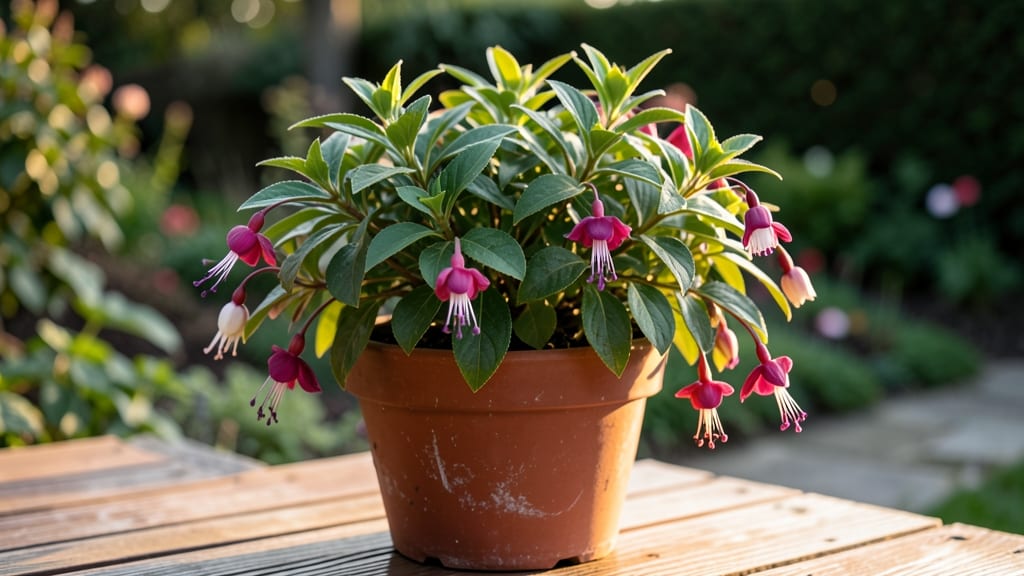
My fuchsia tree care routine starts with one simple truth: these plants thrive when you mimic their natural tropical habitat. 🌿 The secret to those cascading blooms isn't complicated—it's about consistent moisture, the right light balance, and knowing exactly when to prune for maximum flowers.
After my first fuchsia nearly died from overwatering (don't ask), I learned these plants need attentive care that feels almost like mothering. The beauty of fuchsias is how adaptable they are—whether you're growing them in a sunny patio pot or a bright kitchen window.
They love morning sun but hate afternoon heat, which makes them perfect for partial shade gardens. The soil should stay lightly moist but never soggy, and a balanced fertilizer every 4-6 weeks keeps those vibrant blooms coming.
Most people skip the winter care, but that's when you set the stage for next year's growth. What you'll end up with is a plant that blooms continuously from spring through fall, with proper pruning.
The key is shaping it in early spring and doing light trims after each flush of flowers. Even my black thumb can't kill these when I follow this routine—though I'll admit the first few times took some trial and error.
Works for both indoor and outdoor fuchsias, and the same principles apply whether you're growing a dwarf variety or a tall, tree-like specimen. Let's get your plant looking its best all year long.
📚 In This Guide
- What you need
- Instructions
- Tips and common mistakes
- Wrapping up and next steps
What you need
- ● Pruning shears: Bypass pruners (sharp, clean, and sterilized with rubbing alcohol to prevent disease). Recommended: Felco F-2 or similar.
- ● Hand pruners: For smaller branches (1/4"–3/4" thick). Quantity: 1 pair.
- ● Loppers: For thicker branches (up to 2" diameter). Quantity: 1 pair.
- ● Gloves: Heavy-duty gardening gloves (cut-resistant for safety). Quantity: 1 pair.
- ● Disinfectant: 70% isopropyl alcohol or a store-bought pruning sealant (e.g., pruning wax).
- ○ Pruning saw: Optional for stubborn, thick branches (e.g., Fiskars X7).
- ○ Ladder or step stool: Optional for tall trees (ensure stability!).
- ● Trash bags: For collecting pruned debris. Quantity: 1–2 large bags.
- ● Weather check: Prune on a dry, overcast day (avoid midday heat or frost).
- ● Safety first: Wear long sleeves/pants to protect from thorns or sap.
- ● Tree assessment: Identify dead, diseased, or crossing branches before starting.
- ● Clean workspace: Lay down a tarp or newspaper to catch debris.
Step-by-Step pruning guide for a thriving fuchsia tree
Here’s my foolproof method for keeping your fuchsia tree lush and blooming all year—no guesswork, just results.
✂️ Step 1: Prune for Shape in Early Spring
Start in late February or early March when new growth begins but before buds swell. I use clean, sharp pruners to cut back one-third of the oldest stems to just above a leaf node. This encourages fresh, vigorous growth from the base while maintaining the tree’s natural shape.
Focus on removing crossing branches or those growing inward—they’ll compete for sunlight and weaken the structure. You’ll see new shoots emerge within 2-3 weeks from where you made cuts. Never prune more than one-third at a time, or you’ll shock the plant.
🌿 Step 2: Deadhead and Encourage Blooms in Summer
Throughout June to August, remove spent flowers by snipping the stem just below the bloom. This redirects the plant’s energy into producing more flowers instead of seed pods. I like to do this on a weekly basis—just a few minutes every Saturday keeps blooms coming.
Watch for leggy growth (long, bare stems with few leaves). Pinch back the tips of these stems to encourage bushier growth. If a branch grows too long, cut it back to a side shoot with leaves. You’ll notice more compact growth and fewer bare spots within a month.
⏰ Step 3: Light Pruning in Fall for Winter Prep
In October or November, reduce pruning to just removing dead, damaged, or diseased branches. This keeps the tree healthy without stressing it before winter. I also trim any stems that grew too long during summer, cutting them back to a stronger side branch or leaf node.
Leave the tree slightly more open than usual to allow sunlight to reach the center. Fuchsias need bright, indirect light even in winter, so don’t over-prune. You’ll see healthier branches and better blooming the following spring.
☀️ Step 4: Minimal Winter Pruning for Spring Growth
If your fuchsia is outdoors in a mild winter climate, skip heavy pruning. Just remove any frozen or dead wood in January. For indoor fuchsias, give them a light trim in late winter to shape them before moving outside in spring.
Here’s the thing—don’t over-prune in winter. The goal is to encourage new growth when temperatures rise. You’ll know you’ve done it right when you see bright new leaves and buds forming by March.
Tips & tricks for perfect fuchsia tree pruning
Here’s what nobody tells you about keeping your fuchsia thriving—these tricks save time and headaches.
Timing is Everything: That late February to early March window for Step 1 is critical—wait until you see tiny new growth buds forming, but don’t let them swell. I’ve learned the hard way that pruning too early can shock the plant, while waiting too late means you’re cutting back growth that could have bloomed. Think of it as catching the wave just as it starts to crest.
Tool Tip: Use bypass pruners (not anhedora types) for clean cuts that heal faster. I sterilize my tools with rubbing alcohol between cuts—especially important in Step 2 when deadheading—to prevent spreading any potential diseases. A sharp tool makes all the difference in how quickly new shoots appear after those 2-3 weeks.
Visual Cues: In Step 2, look for the classic "leggy growth" where stems have long sections with just a few leaves. The goal is to cut back to a side shoot with leaves—this is your visual cue that you’re encouraging bushier growth. I like to pinch back these tips with my fingers first to see how the plant responds before making permanent cuts.
Winter Prep: During Step 3’s fall pruning, leave your tree slightly more open than usual—this isn’t about aesthetics, it’s about letting light reach the center branches. Fuchsias need that bright, indirect light all year round, even in winter. I’ve seen too many trees get "winter burn" from being too dense when winter light is already limited.
Pro Tips for Fuchsia Tree Care
- Here’s what nobody tells you about keeping your fuchsia thriving—these tricks save time and headaches.
- Timing is Everything: That late February to early March window for Step 1 is critical—wait until you see tiny new growth buds forming, but don’t let them swell.
- Tool Tip: Use bypass pruners (not anhedora types) for clean cuts that heal faster.
Frequently asked questions
When is the best time to prune a fuchsia tree for maximum blooms?
The ideal time to prune is late winter or early spring (before new growth starts) and again after summer blooms fade. Light trimming can also happen in fall to shape the tree. Avoid heavy pruning in fall—it may stunt spring growth. Pro tip: Pinch back leggy stems in spring to encourage bushier growth!
How do I prune a fuchsia tree without killing it?
Use clean, sharp pruners to avoid tearing stems. Cut just above a leaf node (where new growth emerges) at a 45-degree angle. Never remove more than 1/3 of the plant in one session—fuchsias are sensitive to drastic cuts. Remember: Healthy stems = more blooms!
Can I grow a fuchsia tree indoors, and how does pruning change?
Yes! Place your fuchsia near a south-facing window for bright light. Prune indoors the same way, but reduce frequency—over-trimming can stress the plant. In winter, let it rest with less water and no pruning. Watch for: Yellow leaves = too much water!
Why aren’t my fuchsia blooms lasting long, even after pruning?
Short-lived blooms often mean overcrowded branches or lack of sunlight. Thin out dense growth during pruning, and ensure 6+ hours of sunlight daily. Deadhead spent flowers regularly to redirect energy to new blooms. Fix it: Fertilize lightly with a bloom booster in spring!
What’s a good alternative if my fuchsia tree keeps dying?
If your fuchsia struggles with your climate (e.g., harsh winters or humidity), try hardier varieties like Fuchsia magellanica or opt for container-growing with seasonal adjustments. For tropical climates, consider bougainvillea or hibiscus—they’re pruning-friendly too! Swap tip: Start with a potted fuchsia to test your care skills!
Wrapping up and next steps
Caring for your fuchsia tree is all about balance—pruning at the right times, providing the right support, and staying patient as it rewards you with vibrant blooms. With the right tools, techniques, and a little love, your tree will thrive year-round! 🌸
Ready to take the next step? Start small—prune just one branch this week and observe how it responds. Before you know it, your fuchsia will be the star of your garden, bursting with color and life! 🌿