
Diseases
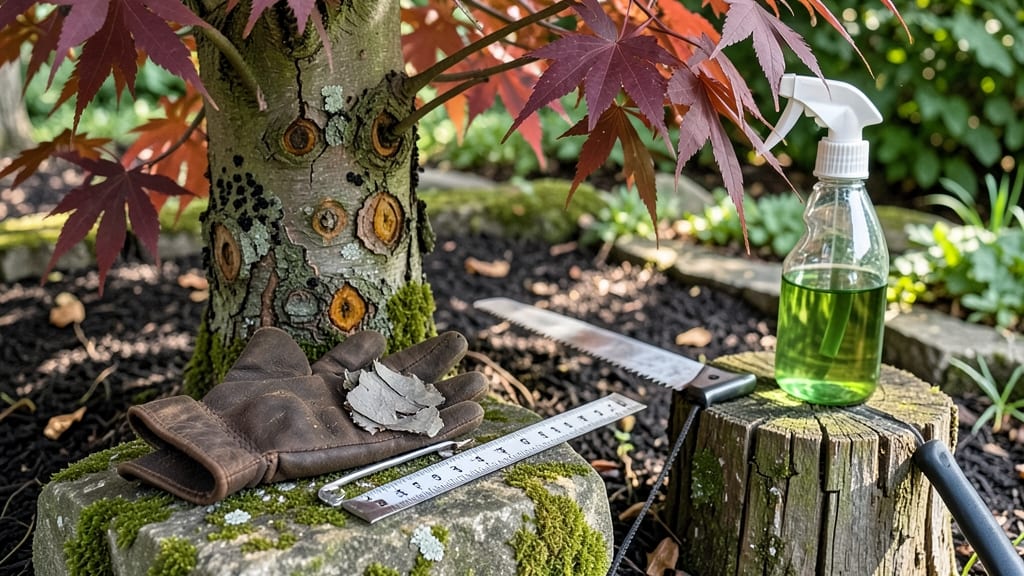
Japanese maple tree bark diseases pictures can turn your stunning tree into a sad, cracked mess—unless you catch the signs early. 🌳 I’ve seen healthy trees with vibrant red foliage slowly decline from hidden bark issues, and the first step to saving yours is knowing what to look for before it’s too late.
The most common culprits are fungal infections like canker diseases and bacterial oozes, which create dark, sunken spots or weepy cracks in the bark. Environmental stress—like drought or poor drainage—often makes trees more vulnerable.
The key is acting fast: prune infected areas immediately and apply fungicide to stop the spread.
With the right care, your tree can bounce back. Healthy bark stays smooth and firm, while diseased areas become rough, discolored, or even ooze sap. Once you recognize these signs, you’ll be able to treat the issue before it weakens the whole tree.
This guide will walk you through visual clues, treatment steps, and long-term prevention—so you can keep your Japanese maple thriving for years. Let’s get started with the first signs to watch for.
Why it happens
Japanese maple trees—with their delicate lace-like foliage and stunning bark—are prized for their ornamental beauty. But when their bark develops unsightly (or dangerous) diseases, it’s often the result of underlying environmental, biological, or cultural factors. Let’s break down the why behind these issues, so you can take proactive steps to protect your tree.
🌧️ Fungal Pathogens: The Silent Invaders
Fungal diseases like Cryptostroma corticale (canker) or Valsa ceratosperma (Valsa canker) are the most common culprits behind bark degradation. These fungi thrive in moist, humid conditions, often exploiting wounds (from pruning, storms, or physical damage) to penetrate the bark. Once inside, they:
- Weaken the cambium layer (the tree’s growth tissue), disrupting nutrient flow.
- Produce pycnidia (tiny fungal fruiting bodies) that ooze spores, spreading the infection.
- Cause cankers—sunken, discolored patches that girdle branches and kill tissue.
Actionable fix: Prune in dry weather to minimize open wounds, and sterilize tools with 70% isopropyl alcohol to prevent fungal hitchhiking.
🍂 Stress-Induced Weakness: When Trees Lose Their Defenses
Japanese maples are sensitive to stress, and when they’re struggling, their bark becomes vulnerable to diseases. Common stressors include:
| Stressor | How It Weakens the Tree |
|---|---|
| Poor Soil Drainage | Waterlogged roots starve the tree of oxygen, reducing its ability to fight pathogens. |
| Improper Pruning | Cutting too close to the trunk or leaving jagged edges creates entry points for fungi/bacteria. |
| Nutrient Deficiencies (e.g., iron, nitrogen) | Weakens bark integrity, making it easier for diseases to take hold. |
| Extreme Weather (drought, frost cracks) | Damages bark physically, allowing pathogens to colonize. |
Actionable fix: Test soil pH (ideal: 5.5–6.5 for Japanese maples), mulch to retain moisture, and avoid heavy pruning in late summer/fall when wounds heal slowly.
🐜 Pests as Disease Vectors: The Unseen Helpers
Insects like scale insects, borers, or aphids don’t just feed on sap—they carry fungal spores on their bodies. For example:
- Scale insects excrete honeydew, a sticky residue that promotes sooty mold growth on bark.
- Japanese beetles skeletonize leaves, reducing the tree’s energy reserves and making it more susceptible to canker diseases.
Actionable fix: Monitor for pests with yellow sticky traps and apply neem oil or horticultural oil in early spring to disrupt their life cycles.
🌡️ Environmental Factors: When Conditions Turn Hostile
Japanese maples are notoriously sensitive to environmental extremes, and sudden changes can trigger bark diseases:
- Rapid temperature swings (e.g., winter thaw/freeze cycles) cause frost cracks, which invite fungal infections.
- High humidity + stagnant air (common in dense plantings) creates the perfect fungal greenhouse.
- Urban pollution (ozone, sulfur dioxide) weakens bark’s protective waxy layer, making it porous to pathogens.
Actionable fix: Plant in well-ventilated areas with 3–4 feet of spacing between trees, and avoid overhead watering to reduce humidity on bark.
🔄 Cultural Practices Gone Wrong: Human Errors
Even well-meaning gardeners can accidentally invite diseases. Common mistakes include:
- Over-fertilizing with nitrogen promotes soft, fast-growing tissue that’s prone to cankers.
- Using contaminated tools (e.g., shears dipped in infected sap) to spread pathogens.
- Ignoring early symptoms (e.g., bleeding bark or oozing cankers) until the disease is systemic.
Actionable fix: Disinfect tools before/after each use, and prune only when necessary—never for "aesthetic" cuts that harm the tree.
Fixing Japanese Maple Bark Issues
Japanese maple trees are stunning, but their bark can fall victim to diseases that dull their beauty. The good news? Most issues are treatable with the right approach.
Below, we’ve mapped out practical solutions for common bark diseases, along with prevention tips to keep your tree thriving. Let’s tackle these problems step by step!
🔥 Cause: Gloeosporium or Colletotrichum fungi thrive in wet, humid conditions, causing dark, sunken lesions on bark and leaves.
🍳 How to Treat It:
- Prune Infected Branches – Use sterilized pruners (wipe with rubbing alcohol) to remove and destroy severely affected branches. Aim for 6–12 inches below the lesion to prevent spread.
- Apply Fungicide – Spray with a copper-based fungicide (like Bordeaux mixture) or neem oil solution (1 tbsp per gallon of water) every 2–3 weeks during wet seasons.
- Improve Airflow – Thin out dense foliage to reduce humidity around the tree. Space branches 6–12 inches apart for better airflow.
💡 Prevention Tips:
- Water at the base (avoid overhead sprinkling).
- Mulch properly (2–3 inches of organic mulch, not touching the trunk).
- Clean up debris in fall to remove fungal spores.
🔥 Cause: Fungal or bacterial infections (e.g., Leucostoma or Pseudomonas) create sunken, oozing cankers on the bark, often near wounds.
👨🍳 How to Treat It:
- Remove Damaged Bark – Scrape away dead or infected bark with a sterilized knife, exposing healthy tissue underneath.
- Seal the Wound – Apply pruning sealant or copper fungicide paste to prevent reinfection.
- Disinfect Tools – After pruning, clean tools with 10% bleach solution (1 part bleach to 9 parts water) to avoid spreading bacteria.
💡 Prevention Tips:
- Avoid bark injuries (use proper pruning techniques).
- Inspect trees after storms – Remove broken branches promptly.
- Space trees properly (3–5 feet apart) to reduce stress and disease risk.
🔥 Cause: Erysiphe fungi create white, powdery patches on bark, especially in shady, humid areas.
🥘 How to Treat It:
- Spray with Baking Soda Mix – Combine 1 tbsp baking soda + 1 tsp dish soap + 1 gallon water. Spray every 7–10 days until symptoms fade.
- Use Sulfur or Potassium Bicarbonate – Apply a fungicide spray (follow label instructions) for severe cases.
- Boost Sunlight & Airflow – Trim nearby plants to increase sunlight exposure to the tree.
💡 Prevention Tips:
- Water in the morning (allows foliage to dry quickly).
- Avoid over-fertilizing with nitrogen (promotes lush, mildew-friendly growth).
- Plant resistant varieties (e.g., Acer palmatum ‘Bloodgood’ is less susceptible).
🔥 Cause: Xylella fastidiosa bacteria clog the tree’s water vessels, causing brown, crispy edges on leaves and dark streaks under bark.
⏰ How to Treat It (Unfortunately Limited):
- Remove Severely Infected Branches – Prune dead or dying branches to reduce bacterial load.
- Deep Watering – Keep soil consistently moist (but not waterlogged) to support tree health.
- Monitor for Stress – Reduce foot traffic around the tree and avoid compacting soil.
💡 Prevention Tips:
- Test water sources – If using well water, check for bacterial contamination.
- Plant in well-draining soil – Poor drainage worsens bacterial spread.
- Consider resistant species – Some Japanese maples (like Acer palmatum ‘Shishigashira’) tolerate stress better.
No matter the disease, strong trees fight off infections better.
Follow these year-round tips: - Inspect monthly – Look for cracks, oozing sap, or unusual discoloration. - Apply mulch correctly – Keep it 2–3 inches deep and 6 inches away from the trunk. - Fertilize in early spring – Use a balanced, slow-release fertilizer (10-10-10 or similar). - Avoid physical damage – Don’t use metal tools that can scratch bark (use plastic-coated pruners).
✨ Pro Tip: When in doubt, consult a local arborist—some diseases (like bacterial leaf scorch) may require professional intervention for severe cases.
By acting fast and staying proactive, your Japanese maple can bounce back from bark diseases and keep its gorgeous foliage and stunning bark for years to come! 🌳💚
Frequently asked questions
What do healthy Japanese maple tree bark and diseased bark look like side by side?
Healthy bark appears smooth with subtle peeling patterns, ranging from silver-gray to deep burgundy depending on the variety. Diseased bark shows cracked, sunken cankers, dark streaks, or oozy lesions that ooze sap. Some infections create white powdery patches (like powdery mildew) while others cause bleeding bark that stains the trunk.
Can I save my Japanese maple if the bark disease has spread to the trunk?
It depends on the severity. If the disease has girdled the trunk (created a complete ring of dead tissue), the tree is likely beyond saving. However, if only partial sections are infected, you can prune out infected bark, apply copper fungicide, and monitor closely. For advanced cases, consult an arborist about bark grafting techniques.
Why does my Japanese maple develop bark diseases more in spring than other seasons?
Spring is peak risk because rapid new growth and increased humidity create ideal conditions for fungal spores. Plus, temperature fluctuations (common in spring) weaken bark defenses. The combination of wet foliage, newly exposed wounds from pruning, and active fungal spores makes spring the perfect storm for infections.
Are there any natural remedies that actually work for Japanese maple bark diseases?
Yes! For fungal infections, a neem oil spray (1 tbsp per gallon of water) or baking soda solution (1 tbsp baking soda + 1 tsp dish soap per gallon) can help. For bacterial issues, copper-based sprays are most effective. Always test remedies on a small area first and reapply every 7–14 days during active growth periods.
How can I tell if my Japanese maple has a viral vs. fungal bark disease?
Viruses typically cause mosaic leaf patterns and stunted growth rather than bark symptoms. Fungal diseases show visible bark lesions, oozy cankers, or powdery growths. If you see dark streaks under the bark or crispy leaf edges, it may be bacterial. Viral infections rarely affect bark directly—focus on leaf symptoms first.