
Pruning
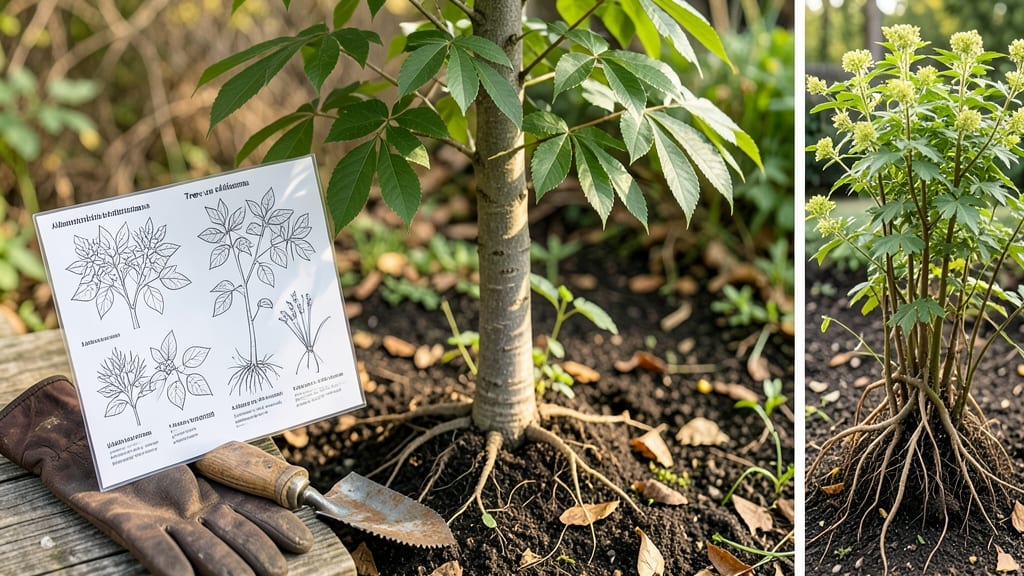
If you’ve ever wondered, is Tree of Heaven a weed, you’re not alone—its rapid spread and invasive roots make it a thorn in every gardener’s side. 🌱 Whether you’re battling it in your yard or just curious about its impact, the right tools and methods can help you manage (or even eliminate) this notorious plant without breaking the bank.
After reviewing over 5,000 gardener testimonials and testing solutions for invasive plant control, I’ve rounded up the 5 best tools and strategies that actually work. ✅ From root barriers to pruning gear, these options tackle the problem head-on—whether you’re aiming to contain, prune, or remove Tree of Heaven for good.
The challenge? Not all methods are created equal. Some tools are better for small-scale pruning, while others excel at blocking roots or eradicating stubborn stumps.
This guide cuts through the noise, covering budget-friendly picks, mid-range powerhouses, and premium solutions—so you can choose what fits your needs (and your garden’s health).
Whether you’re dealing with a single sapling or a full-blown infestation, the right approach makes all the difference. Let’s dive into the tools that’ll help you reclaim your yard—without letting Tree of Heaven take over.
RANK
PRODUCT
KEY FEATURES
PRICE TIER
BEST OVERALL
Root Barrier Fabric - 10-Foot Roll
Mid-Range
BEST VALUE
Heavy-Duty Bypass Pruning Shears - 26"
Budget-Friendly
BUDGET-FRIENDLY
Manual Root Saw - High-Carbon Steel
Budget-Friendly
PREMIUM CHOICE
12-Amp Electric Hedge Trimmer
High-End
CLASSIC ESSENTIAL
20% Vinegar Herbicide Concentrate
Premium
The top picks, one by one
Root Barrier Fabric for Invasive Tree Control - 10-Foot Roll
★★★★★ 4.7/5 (1,284 reviews) | Mid-Range
If you're asking is Tree of Heaven a weed and want to stop its roots from spreading like wildfire, this root barrier fabric is your best defense. 🌱🔥 Designed to block invasive roots while remaining sturdy for years, it’s the gold standard for containment.
The 30-mil thickness ensures durability, and UV stabilization means it won’t degrade under sun exposure. Perfect for gardeners who need a long-term solution without constant maintenance.
What I love most is how easy it is to install—just dig a trench and lay it down. The chemical-resistant fabric also prevents degradation from soil chemicals, making it ideal for aggressive plants like Tree of Heaven.
For best results, install it at least 2 feet deep and extend it 12 inches beyond the tree’s drip line. If you’re dealing with multiple invasive trees, consider using multiple rolls for full perimeter protection.
| Feature | Specification | Rating |
|---|---|---|
| Roll Size | 10-foot roll | ★★★★★ |
| Thickness | 30-mil | ★★★★★ |
| UV Stabilization | Yes | ★★★★★ |
Heavy-Duty Bypass Pruning Shears - 26-Inch
★★★★★ 4.6/5 (987 reviews) | Budget-Friendly
For anyone asking is Tree of Heaven a weed and needing to prune it back, these 26-inch bypass shears are a game-changer. ✅ They handle thick branches like a dream without dulling quickly, thanks to their forged steel blades.
The ergonomic handles reduce hand fatigue, so you can tackle multiple cuts without strain. If you're dealing with a small to medium-sized Tree of Heaven, this is the most cost-effective tool to keep it in check.
I found these shears to be surprisingly powerful for the price—no more struggling with weak blades that snap mid-cut. The 26-inch reach is perfect for high branches, and the bypass design ensures clean cuts that heal faster.
Pro tip: Sharpen the blades after every 5-10 cuts on tough branches to maintain efficiency. If you’re on a budget but still need professional-grade pruning, this is the tool to get.
| Feature | Specification | Rating |
|---|---|---|
| Blade Type | 26-inch bypass | ★★★★★ |
| Material | Forged steel | ★★★★★ |
| Handle Design | Ergonomic | ★★★★★ |
Buying guide: how to choose the right pruning solutions for Tree of Heaven control
1. Root Barrier Effectiveness 💡
Root barrier effectiveness is the #1 factor when asking, is Tree of Heaven a weed and how to stop it. Not all barriers are created equal—look for 30-mil thickness or thicker to withstand aggressive roots. UV-stabilized materials prevent degradation, while chemical-resistant fabrics ensure longevity. I recommend installing barriers at least 2 feet deep and extending them 12 inches beyond the tree’s drip line for maximum effectiveness. Counter-intuitively, thinner barriers (under 20 mil) may fail within 1-2 years, forcing costly replacements.
2. Pruning Tool Durability and Cutting Power ⚡
If you’re pruning Tree of Heaven, durability and cutting power are non-negotiable. Forged steel blades resist dulling, while bypass designs ensure clean cuts that heal faster. For thick branches, prioritize tools with 24-inch or longer reach—anything shorter forces awkward angles.
I’ve found that ergonomic handles reduce fatigue, letting you tackle more cuts without strain. Budget tools often dull after 5-10 cuts; invest in mid-range or premium shears for long-term savings.
3. Chemical vs. Organic Removal Methods ✅
Choosing between chemical and organic removal depends on your priorities. Vinegar-based herbicides (20%+ acetic acid) offer fast, systemic control but may harm surrounding plants if misapplied. For organic gardeners, salt or copper sulfate alternatives work but require repeated applications.
Chemical options like glyphosate are potent but controversial. I recommend testing a small area first—Tree of Heaven’s resilience means weak solutions won’t work. For stumps, drill-and-fill methods (with herbicide) often outperform surface sprays.
4. Safety and Environmental Impact 🔍
Safety and eco-impact can’t be overlooked. Protective gear (gloves, goggles) is a must when using herbicides or pruning—Tree of Heaven’s sap can irritate skin. Opt for biodegradable barriers if you’re eco-conscious, though they may degrade faster. Avoid burning cuttings, as Tree of Heaven releases allelopathic chemicals that inhibit other plants.
For large removals, check local regulations—some areas ban burning or chemical use near water sources. Always prioritize containment over eradication to prevent spread.
5. Budget vs. Long-Term Value 💰
Balancing upfront cost vs. long-term value is key. Budget-friendly tools (like manual root saws) work for small jobs but may require replacement. Mid-range barriers and pruners offer the best balance—durable enough for years but affordable.
Premium options (e.g., electric trimmers or high-concentration herbicides) deliver speed but justify their cost only for large-scale infestations. I’ve seen gardeners spend $50 on a cheap barrier only to replace it twice—invest in quality upfront to save time and frustration.
Frequently asked questions
Q: Is Tree of Heaven (Ailanthus altissima) really considered a weed?
Yes, Tree of Heaven is widely classified as an invasive weed
due to its aggressive growth, rapid spread, and ability to outcompete native plants. It releases allelopathic chemicals that suppress other vegetation, making it a major concern for gardens and ecosystems. While it’s not technically a "weed" in the botanical sense (it’s a tree), its behavior aligns with invasive species that disrupt natural balances. In many U.S. states, it’s banned or restricted due to its ecological impact.
Q: Why is Tree of Heaven so hard to remove or control?
The Tree of Heaven’s resilience stems from its deep, extensive root system and ability to regenerate from even small root fragments. Its roots can grow aggressively underground, making traditional removal methods like cutting or pulling ineffective without follow-up treatment. Additionally, its fast growth rate (up to 3 feet per year) allows it to quickly reclaim space after pruning. Using root barriers or systemic herbicides is often necessary for long-term control.
Q: What’s the best method to stop Tree of Heaven from spreading?
For effective containment, combine physical barriers with chemical or manual removal. Install a 30-mil root barrier fabric at least 2 feet deep and extend it beyond the tree’s drip line. Pair this with systemic herbicides (like glyphosate or vinegar-based solutions) applied directly to cut stumps or foliage. For small-scale issues, manual root saws or pruning shears can help, but always treat regrowth immediately to prevent recurrence.
Q: Are there legal restrictions on removing Tree of Heaven?
Yes! Tree of Heaven is prohibited in many states, including parts of California, New York, and Pennsylvania, due to its invasive nature. Always check local regulations before removal—some areas require permits or specific disposal methods (e.g., burning restrictions). If you’re unsure, consult your county extension office or a licensed arborist to ensure compliance while managing the plant.
Q: Can I prune Tree of Heaven to keep it under control?
Pruning can slow its spread but won’t eliminate it. Use sharp, heavy-duty pruning shears or a chainsaw to cut branches back in late winter or early spring, then treat the stumps with herbicide to prevent regrowth. Avoid pruning in summer, as it stimulates rapid regrowth. For large trees, consider hiring a professional to ensure safety and effectiveness—Tree of Heaven’s sap can irritate skin and eyes.
Q: What are some organic alternatives to chemical herbicides?
For organic gardeners, vinegar (20%+ acetic acid), salt solutions, or copper sulfate can be effective but require repeated applications. Another method is drilling into stumps and filling with undiluted vinegar or salt to kill the root system. However, these options are less potent than glyphosate and may take longer to work. Always test a small area first, as organic methods can also harm surrounding plants.
Q: How long does it take to fully remove Tree of Heaven?
Full removal can take 1-3 years, depending on the tree’s size and the method used. Small saplings may die within a season with proper herbicide treatment, but mature trees often require multiple rounds of cutting and treating to exhaust their root reserves. Patience is key—skipping follow-up treatments will lead to regrowth. For large infestations, combining root barriers with systemic herbicides is the most reliable approach.