
Size
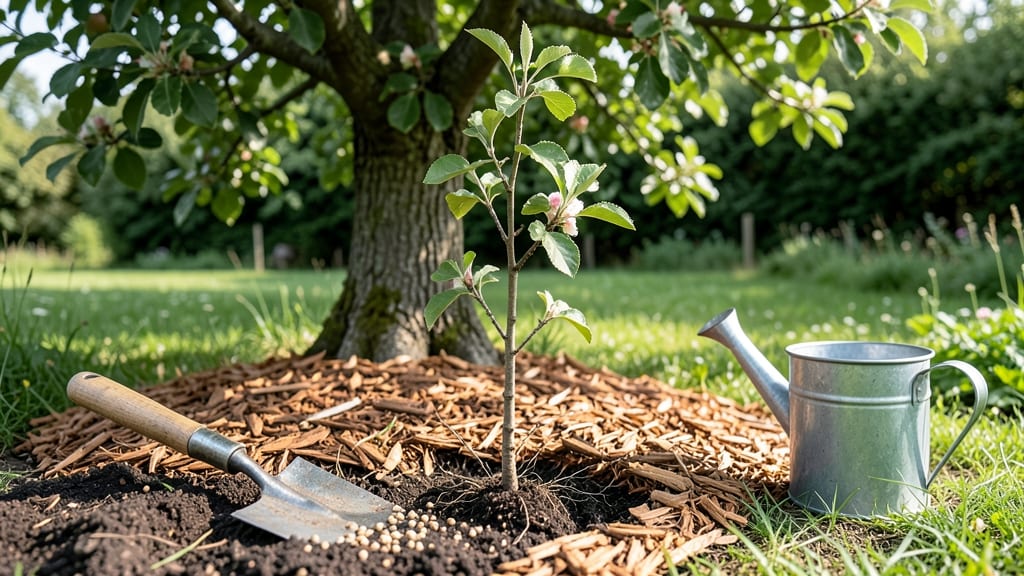
If you plant an apple seed, a tree will grow—but it won’t produce fruit matching the parent apple. The resulting tree may take 10+ years to bear edible apples, and they’ll likely differ in taste, size, and quality due to genetic variability and grafting differences.
Planting an apple seed from a store-bought apple won’t guarantee fruit like the original—think of it as nature’s version of Russian roulette for flavor. 🌱 The tree that grows will be a genetic mix of both parent trees (the apple you ate and its pollinator), leading to unpredictable traits like bitter taste, small size, or even inedibility.
Most commercial apple varieties are propagated through grafting, not seeds, because seeds introduce too much genetic variation. Even if you get lucky with edible fruit, you’ll likely wait a decade or more for the first harvest.
For consistent results, grafting a known variety onto a hardy rootstock is the way to go. But if you’re curious about the experiment, try planting seeds in well-draining soil and providing full sun—just don’t expect grocery-store-quality apples.
The real magic happens when you embrace the uncertainty and treat it as a learning experience.
💡 In This Article
- Why Store-Bought Apple Seeds Rarely Yield Fruitful Trees
- How to Grow an Apple Tree from Seed (And When to Grow Instead)
Why store-bought apple seeds rarely yield fruitful trees
The apples you buy at the grocery store are almost always the result of grafting, not seeds. This is because apple trees grown from seed are genetically unpredictable.
When you plant a seed from a store-bought apple, you're introducing a random mix of genes from both parent trees—the apple you ate and its pollinator. This process, called hybridization, can produce a tree with completely different traits, including fruit that's smaller, bitter, or even inedible. 🌱
Commercial apple varieties are carefully cultivated through grafting, where a scion (a twig from a desired apple tree) is attached to a rootstock. This ensures the tree will produce fruit identical to the parent.
Seed-grown trees, on the other hand, can take 10-15 years to bear fruit, and even then, the apples may lack the sweetness, size, or texture of their parent.
For example, a seed from a Granny Smith apple might produce a tree with tart, mealy fruit that's nothing like the crisp, tangy apples you're used to.
The pollination process also plays a critical role. Apple trees are not self-pollinating; they require cross-pollination from another apple tree. If you plant a single seed, there’s no guarantee it will grow into a tree that can pollinate itself or even another tree nearby.
This means you might end up with a tree that produces very few apples—or none at all. Even if it does fruit, the quality is often inconsistent, with variations in shape, color, and flavor from one apple to the next.
Another factor is the genetic stability of the tree itself. Grafted apple trees are clones of the parent, meaning they'll produce fruit with the exact same traits every year. Seed-grown trees, however, can develop mutations or unexpected characteristics over time, leading to fruit that's far from what you'd expect.
For instance, a seed from a Fuji apple might grow into a tree that produces apples with a mix of red and yellow skin, a firmer texture, and a less sweet taste.
If you're set on growing your own apple tree, consider starting with a grafted sapling from a nursery. These trees are bred to produce high-quality fruit reliably.
However, if you're intrigued by the idea of experimenting with seeds, you might still get lucky—some seed-grown trees do produce edible apples, though they’ll likely be a surprise in terms of flavor and appearance.
The real reward is in the journey of watching a tiny seed grow into a tree, even if it doesn’t yield the apples you imagined. 🌳
For those who love the idea of growing their own apples but want consistency, there are alternatives like buying a rootstock and grafting your own scions. This way, you can control the genetic outcome and ensure the tree produces the exact variety you want.
It’s a bit more involved, but it’s a rewarding way to grow apples that are true to the parent tree.