
Pruning
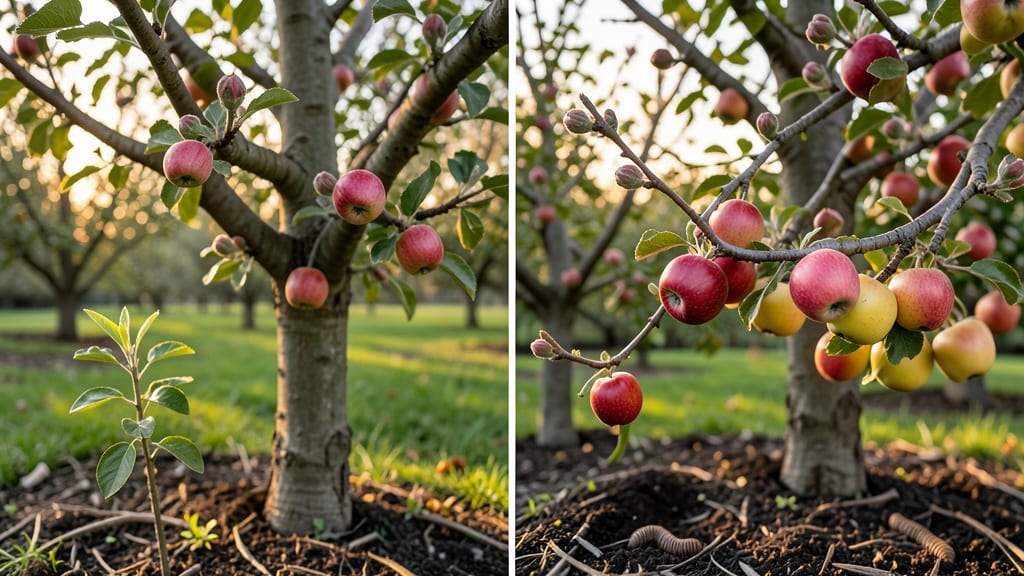
Telling if your 🍎 apple tree will fruit comes down to checking the right signs at the right time — and many gardeners miss the early clues.
Picture this: you’ve waited years for that first harvest, only to stare at bare branches in summer, wondering if you’ll ever taste homegrown apples. The good news? You can predict fruiting potential months before harvest by spotting 5 key visual cues most people overlook.
From blossoms to bud health, tree age to pollination partners, these signals reveal whether your apple tree is on track — or needs a little help. I’ll walk you through what to watch for, when to worry, and how to fix common mistakes before it’s too late.
By the end, you’ll know exactly what to look for in your own yard, so you can celebrate (or troubleshoot) with confidence before next season’s harvest.
5 Visual signs your apple tree will produce fruit this season
If you've been patiently waiting for your apple tree to bear fruit, you're not alone. Many gardeners wonder why their tree isn't producing—even after years of care. The good news? You can often predict fruiting potential by observing visual cues long before harvest season.
These signs help you understand whether your tree is on track or needs extra attention to encourage blooms and fruit development.
Apple trees communicate their fruiting intentions through blooms, leaf health, and branch maturity. By learning to read these signals, you can take proactive steps—like adjusting pruning or fertilization—to maximize your chances of a bountiful harvest.
Let’s explore the five most reliable visual indicators that your apple tree will produce fruit this season.
Look for clusters of pink or white blossoms in late winter or early spring. These flowers are the first step in fruit production. If your tree is covered in blooms, it’s a strong sign of future fruit—assuming pollination occurs.
In late summer or early fall, inspect branches for small, rounded buds that look slightly larger than leaf buds. These are fruit buds, and their presence means your tree is preparing for next year’s harvest.
Healthy green leaves without yellowing, spots, or curling indicate your tree has the energy to produce fruit. Poor leaf health often means nutrient deficiencies or pests, which can divert energy away from fruiting.
Young trees with thin, flexible branches may not fruit yet. Look for branches with thicker bark and a sturdy structure—these are mature enough to support fruit weight and blooms.
Dwarf varieties may fruit in 2-3 years, while standard trees often need 4-5 years to mature. If your tree is past this age and still blooming, it’s likely ready to produce fruit.
Now that you know what to look for, let’s dive deeper into how these signs interact. For example, a tree with healthy blooms but thin branches may need structural support or pruning to handle fruit weight.
Similarly, fruit buds without vibrant leaves could signal a need for balanced fertilizer or pest control.
One common misconception is that all blooms will turn into fruit. In reality, many flowers fall off naturally—a process called fruit thinning. This ensures the remaining fruit grows larger and healthier. If you see more than 50% of blooms drop, your tree might be overloaded or lacking nutrients.
Pay special attention to leaf color and size as another indicator. Dark green, glossy leaves suggest your tree is thriving, while pale or yellowing leaves could mean nitrogen deficiency or overwatering. Addressing these issues early can significantly improve fruiting potential.
If your apple tree checks all five boxes—healthy blooms, fruit buds, vibrant leaves, mature branches, and appropriate age—you’re in great shape for a productive season.
However, even the healthiest trees benefit from regular pruning to improve airflow and sunlight exposure, both critical for fruit development.
Remember, environmental factors like pollination and weather conditions also play a role. If you have only one apple tree, consider planting a second variety nearby to ensure cross-pollination. And if your region experiences late frosts, protect blossoms with frost cloth to safeguard your fruit.
By mastering these visual signs, you’ll gain confidence in your apple tree’s fruiting potential and take the right steps to encourage a successful harvest. Happy gardening!
How tree age and variety affect apple fruit production
Apple trees don’t produce fruit immediately after planting—patience is key when assessing fruiting potential. A young tree (under 3 years) may show blossoms but rarely bears harvest-worthy fruit, while mature trees (5+ years) enter peak production.
Even then, variety matters—some apples like Honeycrisp fruit earlier than Granny Smith, which often waits until the tree is fully established.
The age of your tree directly impacts when you’ll see fruit. For example, a dwarf variety might produce its first harvest in 3–4 years, while a standard-sized tree could take 5–7 years.
Even then, the first few years’ fruit may be small or sparse as the tree focuses on root and branch growth. Understanding these timelines helps manage expectations and care routines.
🌱
Variety selection plays a huge role in fruiting speed. Early-bearing varieties like Honeycrisp or Fuji may produce fruit in 3–4 years, while late-bearing types like Granny Smith often wait until 5–6 years. Even then, some trees need cross-pollination—planting a second compatible variety nearby can double your harvest potential.
Don’t overlook tree health as a factor. A well-nourished tree with proper pruning and watering will fruit more reliably than a neglected one.
For example, a Granny Smith tree in poor soil might take 2 extra years to reach full production compared to one with rich, well-drained soil and regular care.
If your tree is past the expected fruiting age but still not producing, check for pests, disease, or root issues. Sometimes, a simple soil test reveals nutrient deficiencies (like low nitrogen or potassium) that can delay fruiting. Adjusting care based on these findings often restores productivity within a season.
🌳