
How To
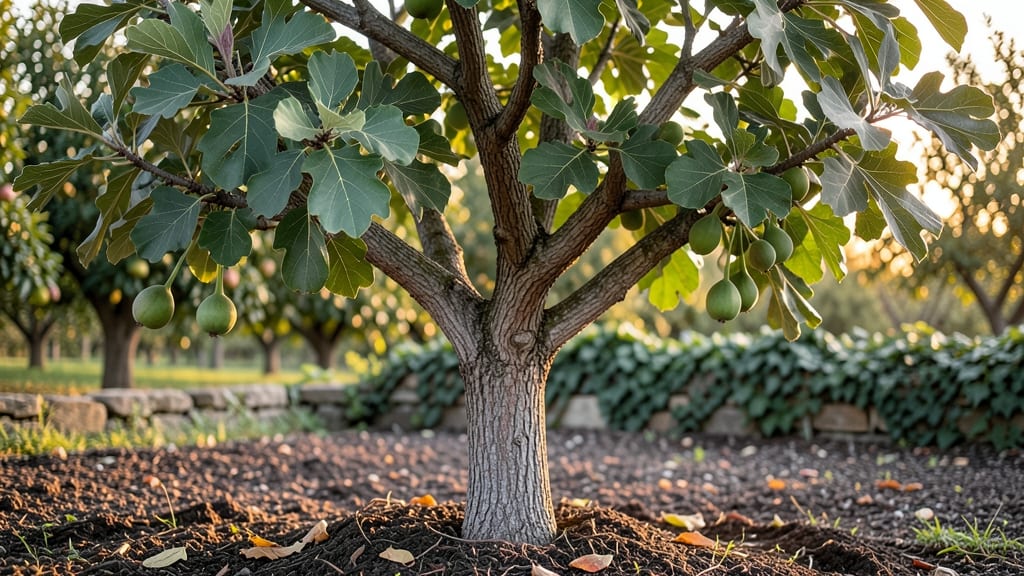
Fig trees can grow anywhere from 8 feet to towering 30 feet tall, depending on the variety and growing conditions.
Wondering if your backyard can handle a fig tree? Some varieties stay compact enough for containers, while others stretch skyward like ancient giants—here’s how tall your fig tree could grow, depending on the type.
If you’re dreaming of a dwarf fig tree 🍈 for your patio, you’ll find options like 'Little Miss Figgy' that max out around 8–12 feet. But if you’re aiming for a shade tree, standard varieties like 'Brown Turkey' can easily reach 20–30 feet with proper care.
Below, I’ll break down the height ranges by variety, how to control growth with pruning, and whether your space can support a tall fig tree—or if a container will work better.


Fig tree height by variety: dwarf to giant growth charts
Fig trees offer something for every space—whether you dream of a towering shade tree or a container-friendly dwarf that fits your patio. The mature height of a fig tree depends entirely on the variety you choose, with some reaching 30 feet while others stay under 6 feet.
Understanding these differences helps you plan for space requirements, pruning needs, and even fruit production potential.
Before selecting a fig tree, consider your garden layout and climate. Dwarf varieties thrive in containers or small yards, while standard figs need room to spread their wide canopies. Some varieties grow upright like trees, while others sprawl like shrubs.
Let’s explore the height ranges of 12 popular fig varieties to help you make the perfect choice for your space.
🌱
| Variety | Mature Height | Growth Habit | Best For |
|---|---|---|---|
| Little Miss Figgy | 4–6 ft | Compact, bushy | Containers, patios |
| Chicago Hardy | 6–8 ft | Upright, spreading | Cold climates, small yards |
| Desert King | 10–12 ft | Vigorous, upright | Drought areas, shade trees |
| Brown Turkey | 20–30 ft | Tall, spreading | Large yards, shade |
| Celeste | 15–20 ft | Fast-growing, upright | Quick shade, fruit production |
| Violette de Bordeaux | 12–15 ft | Semi-dwarf, bushy | Containers (large), small gardens |
| Osborn Prolific | 10–15 ft | Compact, spreading | Fruit production, small spaces |
| Alma | 25–30 ft | Tall, vigorous | Large landscapes, shade |
| Black Mission | 20–30 ft | Spreading, wide canopy | Classic shade tree |
| Smyrna | 15–25 ft | Upright, moderate spread | Pollination partner |
| Texas Everbearing | 10–12 ft | Compact, bushy |
How to control fig tree height: pruning, training, and container tipsIf your fig tree is reaching for the sky faster than you’d like, don’t worry—you’re not powerless. With the right techniques, you can manage height without sacrificing fruit production. Whether you’re dealing with a wild-growing variety like Brown Turkey or a container-bound Little Miss Figgy, these methods keep your tree in check while maximizing harvests. Pruning is your best tool, but timing and technique matter. Cutting at the wrong time can stress the tree or reduce next year’s crop. Dwarfing techniques like espalier or topping also work wonders, especially in small spaces. And if you’re growing in containers, root pruning and pot size play a huge role in controlling vertical growth. Here’s a step-by-step guide to taming your fig tree’s height while keeping it healthy and productive: 1
Prune in Late Winter or Early Spring
Cut back 1/3 of last year’s growth before buds swell. Focus on removing suckers (shoots at the base) and crossing branches to open the canopy. 2
Use the "Topping" Method for Dramatic Height Reduction
Cut the main trunk 3-4 feet from the ground in late winter. New shoots will sprout from the stump, creating a bushier, shorter shape. Select 3-4 strongest shoots to train as new leaders. 3
Train with Espalier for Vertical Control
Guide branches horizontally along a trellis or fence using soft ties. This flattens growth and makes harvesting easier. Ideal for patio figs in small gardens. 4
Root Prune Container Figs Annually
Trim circumference roots by 1/3 when repotting to limit top growth. Use a pot 20% larger than the root ball to prevent overcrowding. 5
Avoid Summer Pruning
Pruning in summer stimulates new growth that won’t harden off before winter. Save heavy cuts for dormant season (late fall/winter) to prevent stress. For container-grown figs, choose dwarf varieties like Celeste or Violette de Bordeaux, which max out at 8-12 feet with proper care. If you’re growing in the ground, standard varieties like Osborn Prolific can reach 20+ feet—so plan ahead or prune aggressively. Remember, fig trees thrive on pruning—it encourages fruiting wood and keeps the tree manageable. Just avoid over-pruning, or you’ll sacrifice next year’s harvest. With these tips, you’ll have a well-shaped fig tree that fits your space without compromising productivity. 🌱✂️🪴 |