
How To
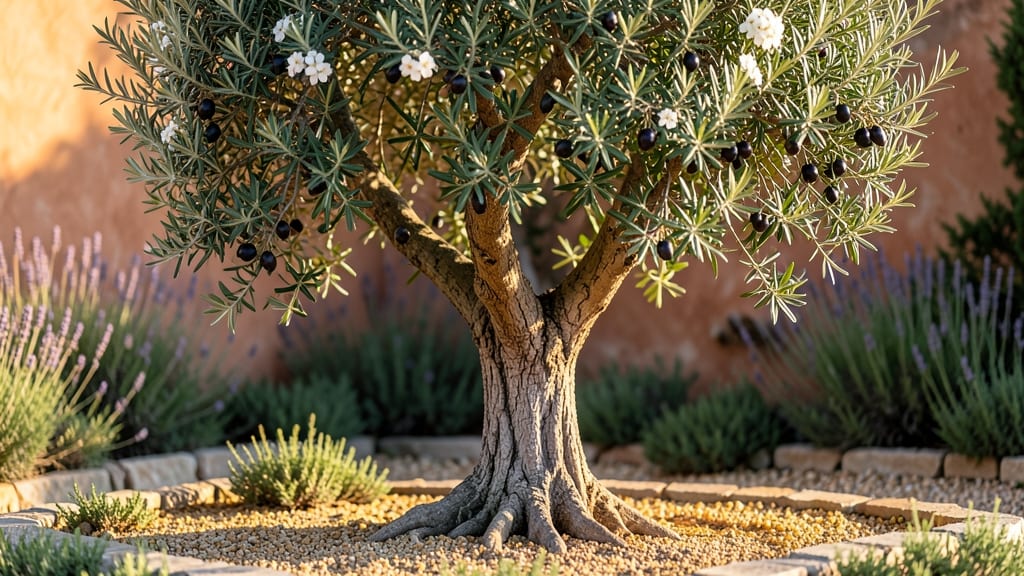
If you're dreaming of Mediterranean charm in your backyard—or simply curious about the space an olive tree needs—knowing its mature height is essential. Olive trees aren’t one-size-fits-all; their growth depends on variety, climate, and care, with some reaching towering heights while others stay compact.
Standard varieties like 'Manzanillo' can soar to 30 feet or more, while dwarf types like 'Arbequina' stay manageable at 12-15 feet. The right pruning and location can even keep a tall tree in check, so size isn’t just about genetics.
In this guide, I’ll break down the heights by variety, how climate zones shape growth, and the pruning tricks to control an olive tree’s size—so you can plan your space (and your maintenance) with confidence.


Olive tree height by variety: from dwarf to giant varieties
Choosing the right olive tree variety is key if you're planning for a compact patio tree or a towering Mediterranean statement piece. Heights range dramatically—from 6-foot dwarf varieties perfect for containers to 40-foot giants that need acres of space.
The variety you pick will dictate not just height but also fruit production, cold hardiness, and maintenance needs.
For example, the Arbequina olive tree stays under 12 feet tall and thrives in containers, while the Manzanillo can soar to 40 feet in ideal conditions. Understanding these differences helps you match the tree to your space, climate, and long-term care plan.
Let’s break down the most popular varieties by their mature heights and ideal growing conditions.
Pro Tip: Always check the variety’s USDA hardiness zone (most olive trees need zones 8-11) and sunlight requirements (full sun is non-negotiable). Skipping this step can lead to stunted growth or even tree death in colder climates.
If you’re growing olives for fruit production, varieties like Manzanillo and Leccino are top picks—they produce large, flavorful olives but need ample space. For urban gardens or containers, Arbequina or Mission are ideal because their compact growth makes them manageable.
Always factor in the tree’s spread too—some varieties grow wider than they do tall!
Another critical factor is pruning habits. Olive trees left unpruned can
How climate zones affect olive tree growth and height
Your USDA hardiness zone plays a starring role in determining how tall your olive tree will grow. In Zone 8, where winters dip just below 10°F, olive trees thrive but grow more slowly, often reaching 15–20 feet at maturity.
Meanwhile, in Zones 9–11, where frost is rare or nonexistent, these trees can soar to 25–30 feet or taller with ideal conditions.
Temperature isn’t the only factor—sunlight exposure also shapes growth. Olive trees crave full sun (6+ hours daily), but in cooler zones like Zone 8, they may grow bushier to conserve heat, while Zone 10–11 trees stretch taller in search of sunlight.
Even a 1–2 hour difference in daily sun can influence height by 3–5 feet over a decade.
| USDA Zone | Avg. Mature Height | Growth Rate | Key Climate Factor |
|---|---|---|---|
| Zone 8 | 15–20 ft | Slow (1–2 ft/year) | Frost risk, shorter growing season |
| Zone 9 | 18–25 ft | Moderate (2–3 ft/year) | Mild winters, longer growing season |
| Zone 10 | 22–28 ft | Fast (3–4 ft/year) | Warm year-round, minimal frost |
| Zone 11 | 25–30+ ft | Very fast (4–5 ft/year) | Tropical climate, no frost |
In Zone 8, where cold snaps are common, olive trees often develop a stockier trunk and wider canopy to protect against frost damage. This compact growth habit means they may never reach their full 25-foot potential unless you provide winter protection, like mulch or windbreaks.
In contrast, Zone 10–11 olive trees grow taller and leaner, as they focus energy on vertical growth to escape competition for sunlight.
If you’re in a cooler zone (Zone 8) and want a taller tree, consider pruning in late winter to encourage upward growth. Remove lower branches to redirect energy to the top, but avoid heavy pruning—it can stress the tree.
In warmer zones (Zone 10–11), prune lightly in summer to maintain shape and prevent overgrowth, which can lead to disease-prone dense foliage.
Another trick? Choose dwarf varieties like Arbequina (12–15 ft) for Zone 8 gardens—they’re hardier and stay manageable. For Zones 10–11, standard varieties like Manzanillo will thrive but need regular pruning to keep them from becoming unruly giants.
Always water deeply in summer, especially in Zone 11, where heat can stress roots and stunt growth.
Remember, soil drainage matters too—olive trees hate soggy roots. In Zone 8, amend clay soil with sand or compost to prevent winter rot. In Zone 11, ensure well-draining soil to avoid root diseases in the humid heat.
With the right care, your olive tree’s height will reflect your climate’s generosity—or challenge it!