
How To
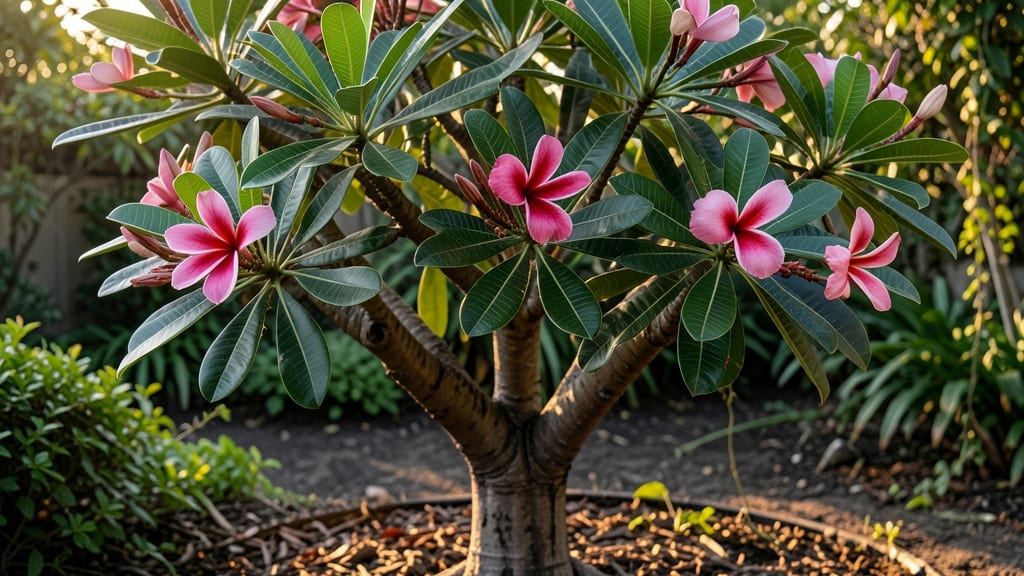
How tall does a plumeria tree grow? The answer can vary dramatically—from 3 feet to over 20 feet, depending on the variety and growing conditions—so your garden vision might need a closer look before you plant.
If you’ve ever dreamed of a tropical paradise in your backyard, plumeria trees could be your answer—but first, you need to know their mature height to plan your garden space wisely.
These stunning 🌺 trees thrive in USDA zones 10–12, where they can reach towering heights, but even dwarf varieties need room to spread. The key? Choosing the right type for your space and climate.
Below, I’ll break down the height ranges for popular varieties, how to control their growth, and the care tips that keep them blooming beautifully—no matter how tall they get.


Plumeria tree height by variety: small, medium, and giant species compared
Choosing the right plumeria variety depends entirely on your space and climate goals. Some varieties stay compact enough for containers, while others reach towering heights that require careful planning.
I’ve grown both dwarf and giant plumerias, and the difference in their mature sizes is staggering—some stay under 6 feet, while others can easily surpass 20 feet in ideal conditions.
Your climate plays a huge role in how tall your plumeria will grow. In USDA zones 10–12, these trees thrive year-round, reaching their full potential. But in cooler zones, even the hardiest varieties may struggle to grow beyond 10 feet without winter protection.
Always check your local frost dates before selecting a variety.
Here’s a quick comparison of popular plumeria varieties, from the smallest to the tallest. I’ve included growth rates and climate suitability to help you pick the perfect fit for your garden.
If you’re working with limited space, Plumeria obtusa is my top recommendation. It stays under 6 feet and thrives in containers, making it perfect for patios or balconies. I’ve even grown it in 15-gallon pots on my Florida porch with stunning results.
For larger landscapes, Plumeria rubra and Plumeria pudica are showstoppers. These varieties can reach 20+ feet in ideal conditions, creating a dramatic tropical focal point. Just be prepared for their wide canopies—these trees need space to spread their branches.
One common misconception is that all plumerias grow equally tall. In reality, some varieties like Plumeria ‘Ice Cream’ stay under 12 feet even in perfect conditions, while others like Plumeria acutifolia can reach 20 feet with proper care. Always check the mature height range before purchasing.
Your local climate will dictate which varieties will thrive. In USDA zone 10, even the tallest plumerias grow vigorously, while in zone 9, you’ll need to choose cold-hardier types like Plumeria acutifolia or grow others in containers for winter protection.
Pro tip: If you’re unsure about a variety’s mature height, ask your local nursery for a 1-year-old specimen to see how it grows in your climate. I’ve found this helps avoid surprises down the road.
Remember, proper pruning can influence height. Regular pruning encourages bushier growth in dwarf varieties and helps control the height of taller types. I prune mine in late winter to shape them and promote new blooms for the season.
Now that you know the height ranges, you can confidently choose a plumeria that fits your space and climate. Whether you want a compact container plant or a towering tropical giant, there’s a variety perfect for your garden.
How climate affects plumeria tree growth: cold hardiness and pruning needs
Plumerias are tropical divas that love warmth, but their growth habits shift dramatically depending on your climate. In Florida’s humid heat, they can reach 20+ feet with minimal care, while in Arizona’s dry heat, they may struggle to exceed 10 feet without extra attention.
The key difference? Cold tolerance and how you prune to adapt.
If you live in USDA zones 10–12, your plumeria can grow wild and tall—some varieties even flower year-round. But push north into zone 9, and you’ll need to prune aggressively or move potted plants indoors during winter freezes.
The good news? With the right strategies, you can control height and keep your plumeria thriving—even in small spaces or harsh winters.
🌺 Key Takeaways for Plumeria Growth
In Florida’s warm, humid climate, plumerias grow tall and lush, often reaching 15–20 feet without pruning. The Plumeria rubra variety, for example, can shoot up 3+ feet per year if given ideal conditions.
But in Arizona’s arid heat, the same variety might only grow 6–10 feet due to water stress and intense sunlight.
To control height in small spaces, prune your plumeria annually in late winter before new growth begins. For dwarf varieties like Plumeria obtusa, cut back 1/3 of the stems to encourage a bushier shape.
In colder climates, prune more aggressively to protect branches from frost damage. Remember: Pruning stimulates new growth, so time it right for maximum blooms in summer.
If you’re in USDA zone 9 or colder, consider growing your plumeria in a large container.
This makes it easy to move indoors during winter or cover with frost cloth on cold nights. Well-draining soil is non-negotiable—plumerias hate soggy roots, which can lead to root rot and stunted growth.
Amend your soil with sand or perlite to improve drainage, and always plant in a spot with full sun.
One common mistake? Assuming all plumerias grow the same height. Dwarf varieties like Plumeria obtusa max out at 3–6 feet, while standard types like Plumeria alba can tower over 15 feet.
Choose your variety based on your climate and space, and don’t forget: Pruning is your best tool for shaping growth and keeping your plumeria healthy and blooming.