
How To
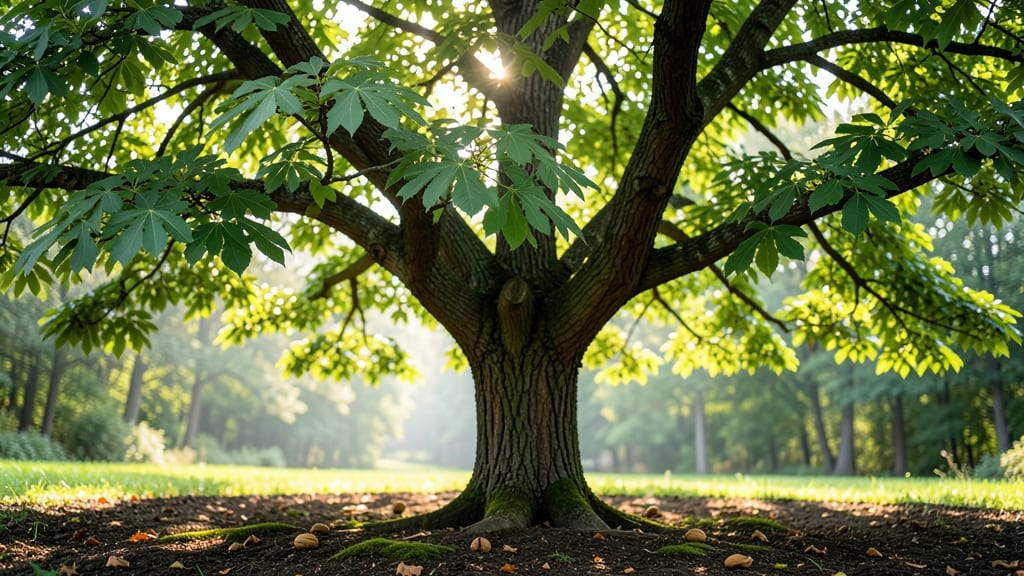
A black walnut tree grows to a how tall does a black walnut tree grow mature height of 40 to 75 feet—taller than many backyard expectations, but with the right care, you can shape its growth to fit your space.
If you're dreaming of a majestic black walnut tree 🌳 in your backyard, knowing its mature height is crucial—because this fast-growing giant can reach heights that might surprise you, depending on your climate and care approach.
Most black walnut trees hit 40 feet within 20 years, but without pruning, they can easily double that height, becoming a towering presence in your landscape. The good news? Dwarf varieties like 'Thomas' stay manageable, while standard types need careful planning.
Below, I’ll break down how sunlight, soil, and pruning influence its growth, plus spacing tips to avoid crowding your property. Ready to grow one that fits your yard?


Black walnut tree height by variety: from dwarf to towering giants
If you're considering adding a black walnut tree (Juglans nigra) to your landscape, you're in for a treat—but first, you'll need to plan for its impressive stature. These trees are known for their rapid growth and towering presence, but not all varieties reach the same heights.
Some stay compact, while others become true giants that dominate your yard. Understanding these differences helps you choose the perfect variety for your space and vision.
The standard black walnut tree typically matures between 40 to 75 feet tall, with some specimens surpassing 100 feet in ideal conditions. However, dwarf varieties like 'Thomas' or 'Climax' offer more manageable options for smaller properties.
Let’s explore the height ranges, growth rates, and ideal spacing for the most popular black walnut varieties so you can make an informed choice.
The 'Thomas' variety is your best bet if you have limited space. It tops out at 25-35 feet and grows at a modest 1-2 feet per year, making it perfect for suburban backyards or small homesteads.
Its compact size also means you can plant it closer to your home or other structures, as long as you maintain a 20-25 foot spacing from nearby trees or buildings.
For those with a bit more room, the 'Climax' variety offers a balance between manageable height and faster growth. Reaching 30-40 feet at maturity, it grows 1.5-2.5 feet annually, allowing you to enjoy its benefits sooner.
The columnar version of 'Climax' is particularly useful for urban gardens, where vertical space is often more abundant than horizontal space. This variety stays between 20-30 feet tall and grows at a steady pace.
If you're aiming for a traditional black walnut experience, the 'Daniel Boone' variety is a fantastic choice. It matures between 40-60 feet and grows 2-3 feet per year, making it ideal for larger properties or rural settings.
This variety is also prized for its high nut production, so if you're growing it for harvest, you’ll be rewarded with a bountiful crop. Plant it at least 35-40 feet away from other trees or structures to avoid root competition and ensure healthy growth.
The wild-type black walnut is the classic giant of the species, capable of reaching 60-100 feet or more under ideal conditions. With a growth rate of 3-5 feet per year, it’s not a tree to plant without careful planning.
This variety is best suited for large estates, parks, or natural woodlands, where it can spread its roots and branches freely. If you’re considering this option, allocate at least 50-60 feet of space to accommodate its mature size.
When planning your planting location, remember that black walnut trees have aggressive root systems that release juglone, a natural chemical that inhibits the growth of many other plants. This means you’ll need to avoid planting
Factors that determine black walnut tree height: sunlight, soil & climate
The black walnut tree (Juglans nigra) can grow between 40 to 75 feet at maturity, but its height isn't set in stone—it's heavily influenced by your growing conditions. Sunlight, soil quality, and regional climate all play starring roles in shaping how tall your tree becomes.
If you're planting one in your yard, understanding these factors will help you manage expectations and optimize growth for the majestic tree you envision. 🌳
First, let's talk sunlight exposure. Black walnuts are sun-worshippers, thriving with 6 to 8+ hours of direct sunlight daily. In full sun, they grow faster and taller, reaching their maximum height potential.
But if you plant yours in partial shade, expect a shorter stature—possibly 20 to 30 feet less than its sun-soaked counterparts. This is because limited sunlight reduces photosynthesis, slowing growth. ☀️
Now, let's dive into soil quality. Black walnuts prefer well-draining, slightly acidic soil with a pH between 6.0 and 7.0. If your soil is compacted or waterlogged, root development suffers, stunting growth.
Amending the soil with organic matter like compost can boost nutrient availability, helping your tree reach its full height potential. Poor soil conditions can cut 10 to 20 feet off its mature height. 🌱
Climate and USDA hardiness zones also play a critical role. Black walnuts thrive in zones 4 to 9, but their growth rate varies by region. In warmer climates like zone 8 or 9, they grow faster and taller due to longer growing seasons. Meanwhile, in cooler zones like 5 or 6, growth slows, and mature heights may max out at 50 to 60 feet instead of 75. Winter cold can also stress young trees, further limiting their height. ❄️
Don't overlook water availability, either. Black walnuts need deep watering weekly during their first year to establish strong roots. Once established, they're drought-tolerant, but consistent moisture is key for optimal growth.
If your tree struggles with water stress, especially during dry spells, its height could be 15 to 25 feet shorter than expected. Mulching around the base helps retain moisture and encourages deeper root growth. 💧
Finally, remember that young trees grow fastest—expect 3 to 5 feet per year in ideal conditions. By year 3, they typically reach 15 to 20 feet, and growth slows as they mature.
If you're planting near structures or power lines, factor in these growth rates to avoid future conflicts. With the right conditions, your black walnut could become a stunning centerpiece in your landscape! ✂️