
Light Requirements
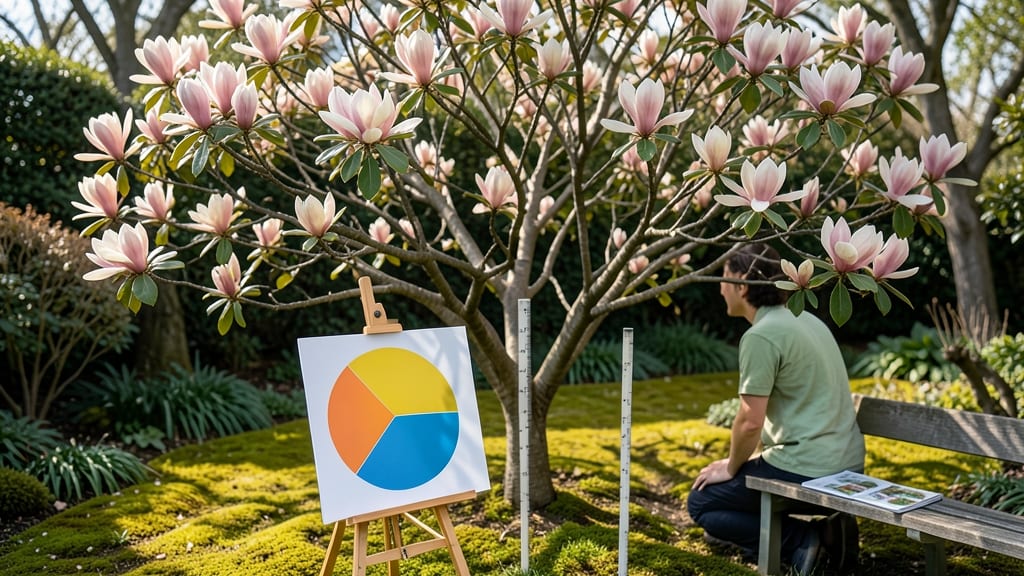
A magnolia tree needs how much sun does a magnolia tree need—4 to 6 hours of sunlight daily 🌸 — but the exact amount depends on your variety and climate, making it trickier than you’d think.
Struggling to keep your magnolia tree healthy? Sunlight is the single most critical factor in its growth—and getting it wrong can mean the difference between vibrant blooms and wilting leaves.
Too little light, and your tree won’t flower; too much, and the leaves can scorch. In hotter zones like USDA 6a, afternoon shade is a must, while cooler climates can handle full sun.
I’ll break down the best light conditions for each variety so you can pick the perfect spot.
You’ll also discover how to spot signs of over- or under-exposure and adjust care for thriving growth, whether you’re planting in spring or fall.


Magnolia sunlight requirements by variety: full sun vs. partial shade needs
Magnolias are stunning ornamental trees known for their fragrant blooms and glossy foliage, but their sunlight needs vary dramatically by variety. Some thrive in bright, filtered light, while others handle full sun exposure—but only in the right climate.
Getting this wrong can lead to leaf scorch, poor flowering, or stunted growth. Let’s break down the exact light requirements for popular magnolia species so you can place yours perfectly.
Most magnolias prefer morning sun with afternoon shade, especially in hotter regions. However, some varieties like the Southern magnolia can tolerate full sun in cooler climates, while others, like the Sweetbay magnolia, may struggle with too much direct sunlight.
Understanding these differences ensures your tree stays healthy and blooms abundantly each season.
Below is a detailed comparison of sunlight requirements by magnolia variety, including how much direct sun each needs and where to plant them for optimal growth.
Whether you’re in a humid Southern garden or a cooler Northern climate, this guide will help you avoid common mistakes and maximize your magnolia’s potential.
Now that you know the sunlight needs by variety, let’s talk about how to adapt your care based on your local climate and
Signs your magnolia tree isn’t getting the right amount of sun (and how to fix it)
Your magnolia tree might be silently screaming for help if it’s not getting the right sunlight exposure. Even subtle shifts in light can cause dramatic changes in its health, from leaf scorch to sparse blooms.
Understanding these sunlight warning signs is key to reviving your tree’s vitality and ensuring those iconic magnolia flowers return year after year.
Most magnolias thrive in partial shade, meaning they need 4-6 hours of morning sun with afternoon shade protection. But too much or too little sun can stress your tree, leading to visible symptoms like yellowing leaves or stunted growth.
The good news? Adjusting its environment is often as simple as moving it or pruning nearby branches.
⚠️ How Much Sun Does a Magnolia Tree Need?
Magnolias prefer 4-6 hours of filtered sunlight daily, ideally morning sun with afternoon shade. In hotter climates, reduce direct sun to 3 hours max to prevent leaf scorch. In cooler regions, they tolerate full sun (6+ hours) with proper moisture. Over-exposure causes brown leaf edges; under-exposure leads to pale, sparse foliage.
One of the first signs your magnolia isn’t getting enough sun is pale, leggy growth. When a tree stretches toward light, it produces long, weak stems with small, sparse leaves.
This happens because the tree is desperate to reach sunlight, diverting energy from leaf development. If you notice your magnolia looking tall and bare at the top, it’s likely light-deprived.
On the flip side, too much direct sun causes leaf scorch, where edges turn brown and crispy. This is especially common in urban gardens with reflective surfaces or hot afternoons.
Check the south-facing side of your tree first—if those leaves are drying out, your magnolia is getting over-exposed. Mulching and afternoon shade can help mitigate this.
Another red flag is poor flowering. Magnolias bloom on old wood, meaning they set buds the previous season. If your tree produces fewer blooms than usual or none at all, it might be struggling with inconsistent sunlight.
Move it to a spot with steady morning light and monitor for improvement over the next 2-3 years.
To fix sunlight issues, start with placement adjustments. If your tree is in full shade, gradually move it to a sunnier spot over a few weeks. For over-exposure, prune lower branches to reduce heat stress and install temporary shade cloth if needed.
In urban areas, consider reflective barriers or light-colored mulch to reduce heat buildup.
Finally, remember that seasonal changes affect sunlight exposure. Trees in rural areas may need less adjustment than those in city landscapes, where buildings and pavement alter light patterns.
Regularly check your magnolia’s foliage health and adjust its environment as needed—your tree will thank you with lush growth and stunning blooms! 🌸